India opposes fragmentation of multilateral trading system and inclusion of non-trade topics at WTO MC13.
The thirteenth Ministerial Conference of the World Trade Organization (WTO) began in Abu Dhabi on 26 February. On the opening day, the Indian delegation was led by Commerce Secretary Shri Sunil Barthwal.
Two countries – Comoros and Timor Leste acceded to the WTO on the opening day. India had been supporting these accessions and welcomed the expansion of the organization.
The WTO will be completing 30 years of its establishment next year. Two ministerial discussion sessions were organized on the opening day allowing ministers to exchange views on the future direction the organization should take.
In the session on sustainable development and policy space for industrialization, India highlighted the need for avoiding fragmentation of the multilateral trading system and the importance of remaining focused rather than mix non-trade issues with the WTO agenda.
India explained that it has put forward and propagated a sustainable way of living based on traditions and values of conservation and moderation including through a mass movement for LiFE- 'Life Style for Environment' as a key to combating climate change. It also expressed serious concerns regarding the increasing use of trade protectionist unilateral measures, which are sought to be justified in the guise of environmental protection.
India asserted that the developing countries seek appropriate policy space to find solutions to their concerns, some of which have been unaddressed for a long time. India said that it was of the firm view that developing countries require flexibility in the existing WTO agreements to overcome the constraints faced by them in their industrialization. India expressed concerns on the concerted attempt to club long standing development issues like policy space for industrial development with the new issues of 'Trade and Industrial policy'.
In the second session on Trade and Inclusion, India cautioned members that mixing non-trade topics with WTO rules can lead to greater trade fragmentation. Bringing issues like Gender and MSMEs in the realm of WTO discussions was not practical because these issues were being discussed in other relevant international organizations already.
India stressed that issues like inclusion are better addressed through contextual and targeted national measure and they did not fall in the domain of international trade relations. India stressed that non-trade issues have the potential to encourage trade distortive subsidies and non-trade barriers. He expressed concerns about such measures and their negative spillover effect on the trade interests of developing countries.
India recounted several measures undertaken by the government for greater inclusion of MSMEs and women, especially through use of Digital Public Infrastructure. It explained how the government’s focus was bringing about economic transformation for these segments of the economy.
India assured its unwavering commitment to multilateralism and the importance of adhering to the rules-based global trading system.
Source: pib.gov.in
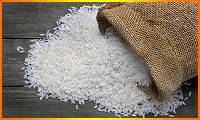
India to supply 110,000 tonne rice to Guinea-Bissau, Djibouti, Tanzania.
Despite existing export restrictions, India will send 110,000 tonne of rice to three African nations–Guinea-Bissau, Djibouti, and Tanzania–on humanitarian grounds, two senior officials aware of the development told Mint.
India had imposed ban on the export of certain rice varieties, including a curb on broken rice in September 2022 and on non-basmati white rice in July 2023, to ensure the country’s food security and control domestic prices.
Since the ban, the Indian government has been supplying rice to its diplomatic partner countries and needy nations on a case-by-case basis.
'While Guinea-Bissau and Djibouti will get 50,000 tonnes of broken rice each, Tanzania will be sent about 30,000 tonnes of non-basmati white rice,' one of the officials said. The decision has been taken following a recommendation from the external affairs ministry.
'The export will be done through National Cooperative Exports Ltd, a government export body that was set up under the Multi-State Cooperative Societies (MSCS) Act, 2002 to export agriculture produce and allied items,' the official added.
The government had earlier approved exports of limited quantities of non-basmati white rice and broken rice to a dozen Asian and African nations, including Nepal, Malaysia, the Philippines, Bhutan, Mauritius, Singapore and the UAE in humanitarian efforts.
Several African nations are heavily dependent on rice imports from India. Togo imported a substantial 88% of its rice from India last year. Benin, the largest global importer of Indian broken rice, procured 61%, while almost half of Senegal's imports of the grain originated from India.
Before the export restrictions in 2021, three African countries – Benin, Senegal, and Côte d'Ivoire – were among the top 10 markets for Indian rice.
In response to domestic inflationary pressures, India halted non-basmati white rice exports in July, followed by the introduction of a minimum sale price for basmati rice and then a 20% tariff on parboiled rice. The ban on broken rice exports in September of the previous year hurt African countries that rely on India to meet domestic demand because of India’s competitive price offerings.
Prime Minister Narendra Modi, in his Independence Day speech, pledged to curb inflation as he readies for the upcoming general elections. The International Monetary Fund (IMF) also encouraged India to lift its rice export bans due to their global inflationary impact.
However, the Indian government said these measures were necessary to ensure adequate domestic supply and reduce local prices.
While India's food inflation moderated, rice is the only product in the cereal basket that continued to weigh on the consumer price index.
In January, food inflation, comprising nearly half of the overall consumer price basket, was 8.30%, down from 9.53% in December 2023. However, rice inflation was 13% in January against 12.3% in December and 10.4% in January 2023, according to economists.
Queries sent to the consumer affairs, food and public distribution department and Tanzania, Guinea-Bissau and Djibouti embassies in New Delhi remained unanswered at press time.
Experts suggest India should consider a policy mix instead of an outright ban on rice that can disrupt the global market as well as hurt India’s position in global trade.
The export ban led to turmoil in the global rice market and hurt India’s competitiveness in the world market that was built over the decades, Ashok Gulati, professor at the Indian Council for Research on International Economic Relations, said, adding this is not in line with the spirit of G20 proposals.
Source: livemint.com
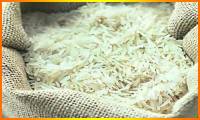
Indonesia allocates 1.6 mln metric tons for additional rice imports this year.
Indonesia has allocated an additional quota of 1.6 million metric tons of rice for import for this year on top of 2 million tons previously approved, an official said on Monday, anticipating lower domestic output in the January-March harvest.
The trade ministry is working to issue the import permits for the additional allocation, ministry official Arif Sulistiyo said during a weekly government meeting streamed live.
Indonesia imported 3.06 million tons of the grain in 2023, close to a record.
Southeast Asia's biggest economy is expected to produce 32 million tons of rice this year, up from 30.9 million tons in 2023, but production in the early months is expected to be disrupted by the impact of last year's drought.
January-March rice output is expected to be 2.82 million tons lower compared to the same month last year, Arif said.
Meanwhile, at retail level, rice has sold with prices above the government-set cap due to concerns of supply.
Source: nasdaq.com

Plant-based meat tops the latest agenda.
Aahar – The international food & hospitality fair, is all set to take place from March 7 to 11, 2024, at Bharat Mandapam, Pragati Maidan, in New Delhi. The 38th edition of the event will highlight food and beverage products; F&B equipment; hospitality and décor solutions; and allied sectors. New attractions to the fair this year are – nutraceuticals; aquaculture & marine products; floriculture; dairy products; fresh fruits & vegetables; plant protein; plant- based meat; and dairy products.
Exhibitors at Aahar get a great opportunity to showcase products, technologies and services to national and international buyers. As well as generate sales leads, order bookings and network with the industry big wigs. Aaahr is a great way for exhibitors to establish business contacts, launch new products, appoint agents and distributors. The event will help promote company products, build brands and improve market research, all while gauging market trends.
Aahar is an order-writing B2B show, that has become one of Asia’s biggest and best-known events, and the ultimate destination for global vendors and sourcing professionals. Aahar is the place where the hotel industry, restaurants, catering industry, institutions, importers, buyers, distributors, all meet under one roof, with vendors to source best of the products in the food, hospitality and equipment sectors. The event is the best brand for senior management, professionals like CEOs, managing directors, vice presidents, directors, general managers, form a substantial part of the visitors.
Visitors profile includes - overseas buyers and trade delegations; importers & distributors; executive chefs & executive housekeepers; hospitality procurement heads; start-ups & entrepreneurs; purchase professionals & consultants; overseas & Indian industry associations; organised retailers; mega chains; hospitality service providers; policy makers; diplomatic & commercial representatives of foreign missions in India.
The event will highlight the following pavilions - Foreign Participation and FIFI Pavilion; Wine Pavilion; Food & Beverages Start-ups; Confectionery & Bakery Products & Ingredients; ICMA; APEDA Pavilion; Spices, Condiments Ingredients & Agri Produce; Organic, Processed Food, Ingredients, Spices, Farm Produce, Fresh Fruit & Vegetables, Meat Products; Culinary Art India Show by Indian Culinary Forum; Bakery Heavy Machinery Equipment, Tentage & Décor, Packaging, Kitchen & Hotel Equipment; Refrigeration; Hospitality, Décor, Housekeeping Products, Gift Items, Open Area Hospitality, Décor, Mist Coolers, Coolers & Fans.
Source: fnbnews.com

Key European economy Austria sets up Startup Bridge with India.
Austria, an export-oriented economy, is increasingly targeting South Asia and SE Asia with India topping the list to export its products including machinery, chemical and pharmaceutical products, automobile related items, said Martin Kocher Austrian Minister for Labour and Economy.
'Austria is focusing on South Asian and SE Asian markets in a big way since the Russian market has been closed following the war. India is of special interest to Austria given its complementarities in the field of economy. Austria also serves as the gateway to the German speaking markets of Europe,' Martin Kocher Austrian Minister for Labour and Economy told ET during his weeklong visit to India for the Raisina Dialogue.
According to Kocher, there are excellent business opportunities in industrial modernisation, automotive, transport infrastructure, energy and smart city (urban & environmental technologies).
During Kocher’s visit, India-Austria Startup Bridge was launched in the backdrop of growing Startup ecosystems in the two countries.
The Austrian startup ecosystem, known for its innovation and dynamic spirit. With a strong emphasis on research and development, Austria has cultivated a fertile ground for startups to thrive, particularly in sectors such as advanced manufacturing, renewable energy, and information technology.
Vienna, Graz, and Linz are among the key cities driving this ecosystem, boasting vibrant startup communities, incubators, accelerators, and co-working spaces.
'As Austria continues to nurture its startup ecosystem the partnership between the Austrian startup ecosystem and India is poised to create significant opportunities for collaboration and mutual growth in the years to come,' Kocher pointed out.
The Minister pointed out that Austria is also becoming an attractive destination for the Indian Film industry to shoot their movies as good incentives are being provided.
Austria, one of the richest countries in the European Union, is an important link for India in its relationship with Europe, especially with countries of central and Eastern Europe. India-Austria economic and commercial cooperation constitutes an important dimension of the bilateral relationship. In 2022, the bilateral trade is USD 2.84 billion with an increase of 14.97 % over the 2021 levels, according to the MEA factsheet.
Many Austrian companies in India are active in smart transportation and signalling systems, hydro-electric power plants, tunnelling, parts for steel plants, robotics, water purification/desalination
Source: economictimes.indiatimes.com
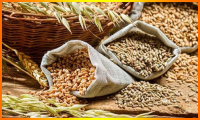
Isabgol acreage sets record this rabi season.
Gujarat tops the country in production and processing of isabgol (psyllium husk from the species Plantago ovata), locally known as ‘ghodajiru’. Figures from the state agriculture department show that the acreage sown with isabgol has been increasing over the years and in 2024 reached the highest level in a decade.
In the last decade, isabgol acreage was the highest in the financial year ended March 2018, when it reached 25,127 hectares.
Agriculture department officials said the prices of isabgol this year have ranged from a high of Rs 17,000 to a low of Rs 15,500 per quintal. In the last six years, prices have increased by 121%.
The Agricultural Produce Market Committee (APMC) yard at Unjha is the biggest one in India for isabgol trading. Dinesh Patel, the chairman of the Unjha APMC, said, 'The prices of isabgol are high. Its use as a laxative and even in the confectionery industry are also increasing. Farmers are thus being drawn towards its cultivation. Gujarat accounts for 90% of the country’s isabgol processing and its production has doubled in the state in the last five years,' he said.
The secretary of the APMC, whose name is also Dinesh Patel, said, 'Last year the prices hovered around Rs 15,000 a quintal and thus more and more farmers are choosing to grow it. This crop also has a lower risk of damage compared to cumin, the other important cash crop in this region. Grazing animals also stay away from fields sown with isabgol.'
The secretary said Gujarat and the Unjha area have about 30 isabgol processing units.
A multinational conglomerate is the biggest buyer of the product here. He said over 85% of the crop produced in the state goes to the US, Germany, Italy, the UK and other countries.
According to agriculture department officials, isabgol production has increased from 6,817 metric tonnes in 2018-19 to 12,952 metric tonnes in 2022-23.
The area under cultivation has increased from 6,754 hectares in 2019 to 31,204 hectares in 2024.
Kutch district accounts for 36% of the state’s isabgol production, followed by Banaskantha at 23%, Patan (16%), Ahmedabad and Surendranagar (11% each). These five districts account for 97% of the state’s isabgol cultivation.
Officials said that according to the Federation of Indian Export Organizations, the value of India’s exports of isabgol grew by 37% to $261.44 million in 2020-21. This further rose to $300 million in the 2022-23 financial year.
Isabgol is used in ayurveda, unani and modern medicine systems. Its seeds are said to have cooling properties and the ability to alleviate inflammation of the mucous membranes of the digestive and urogenital systems.
Beyond its medicinal role, isabgol can also be used in dyeing, textile printing, the ice-cream industry, confectionery and cosmetics. De-husked isabgol seeds are about 17% to 19% protein, making them suitable for animal feed.
Source: timesofindia.indiatimes.com
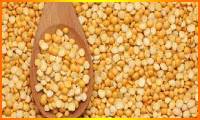
Import of yellow peas allowed after registration under monitoring system: DGFT.
Import of yellow peas is allowed after registration under the import monitoring system with immediate effect for all consignments where bill of lading (shipped on board) is issued on or before April 30, according to a commerce ministry notification. The Directorate General of Foreign Trade (DGFT) said the import is permitted without the MIP (Minimum Import Price) and port restriction conditions.
However, the imports are subjected 'to registration under the import monitoring system, with immediate effect for all import consignments where bill of lading (shipped on board) is issued on or before April 30, 2024,' the DGFT notification said.
During April-December this fiscal, the import of yellow peas stood at USD 5.43 million. It was USD 0.14 million in 2022-23.
Source: economictimes.indiatimes.com
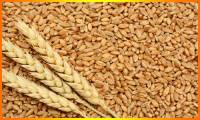
Wheat output may exceed 114 million tonnes target, rise to record.
Wheat production may exceed the targetted 114 million tonnes (mt) this year on good weather and higher acreage of climate resilient varieties, said G P Singh, director of Karnal-based Indian Institute of Wheat and Barley Research (IIWBR).
Speaking to businessline on the sidelines of the ICAR conference of vice-chancellors of central and State agriculture universities, Singh said: 'Wheat crop in India as of now is in excellent conditions. There is no disease, the area has marginally increased from last year and the progress of crop is very well. If everything goes well (for another month), we can easily touch the target, and might even cross that.'
The government has set production target at 114 mt after wheat output in 2022-23 reached a record 110.55 mt.
Singh said though there is no cause of worry till now, uncertainty remains as temperature fluctuation is a constant. There are two causes for concern that need to be watched out for in the remaining days till harvest starts – western disturbance and temperature.
As western disturbance causes thunderstorm and unseasonal heavy rainfall, potentially resulting in water lodging in the fields, many experts see it as a damaging factor for wheat. High temperature in third and fourth week of March is also seen by experts as a negative factor for wheat yield.
Singh, however, said because of the deployment of climate-resilient varieties in over 80 per cent of the area, he is confident of crossing all such challenges in reaching the target.
Wheat acreage this year ended at 341.57 lakh hectares (lh) compared with 339.20 lh in 2022-23. Uttar Pradesh, the largest producer of wheat, has reported the highest acreage of over 102.40 lh, up by 5 per cent, and it has helped offset lower coverage in Rajasthan and Maharashtra. The acreage in Bihar, Punjab and Haryana is almost at par with last year, but 80,000 hectares higher in Madhya Pradesh.
Meanwhile, India Meteorological Department (IMD) on Monday, predicted a Western Disturbance to affect western Himalayan region from February 29 and adjoining plains during March 1-4 with peak intensity on March 1-2. High moisture feeding from the Arabian Sea to north-west India is also likely during March 1-2, IMD said in the evening bulletin.
'Under its influence, fairly widespread to widespread light/moderate rainfall accompanied with thunderstorms and lightning are very likely over the western Himalayan region during March 1–3. Scattered to fairly widespread light/moderate rainfall accompanied with thunderstorms and lightning very likely over Punjab, Haryana, Delhi and isolated to scattered light/moderate rainfall over Uttar Pradesh, Rajasthan on March 1-2,' it said.
Isolated heavy rainfall/snowfall has also been predicted over the Western Himalayan Region on March 1-2, while IMD says hailstorm activity may be at isolated places over Uttarakhand on March 1. Hailstorm at isolated places over south Madhya Pradesh, Vidarbha region and south Chhattisgarh has been forecast for Monday and Tuesday.
Source: thehindubusinessline.com
Exports venturing into uncharted territories of Africa, Central Asia, European regions: Comm min.
At a time when global trade is facing geo-political uncertainties, India's exports of goods like automobiles and gold jewellery have ventured into uncharted territories of Central Asia, Africa and Latin America, according to an analysis by the commerce ministry. The analysis has shown that India has penetrated into what are termed as 'absolutely new markets' in regions such as Africa, Central Asia, Latin America and North America during April-December 2023.
The 'absolutely new markets' refer to areas where India did see any export during April-December 2022, but healthy growth of certain principal commodities like motor vehicles, two- and three-wheelers, petroleum products, sugar, gold and other precious jewellery were recorded in April-December 2023.
Exports of these commodities to the absolutely new markets during April-December 2023 stood at USD 234 million as against nil shipments during the same period of 2022.
It added that these commodities captured a greater number of markets in the Central Asia, Africa, and European regions.
'A comprehensive examination of country-wise exports underscores a notable diversification of markets for India's merchandise exports, characterised by the exploration of new export destinations, in spite of strong global headwinds with subdued performance globally,' an official said.
The official added that after evaluating the market diversification of the country's merchandise exports across major sectors at the principal commodity level, comparing the periods from April-December 2022-23 to April-December 2023-24, significant advancements in market diversification emerged in the current fiscal.
These diversified markets are termed as 'absolutely new', 'new', and 'promising'.
'Together, exports to these markets capture 5 per cent of India's total exports of 42 principal commodities to the world. These commodities span across 16 important sectors of India's export basket,' the official added.
In the new markets, where India's exports share of goods like ceramics and allied products, aluminium, products of aluminium, two- and three-wheelers, products of iron and steel, electric machinery and equipments was meagre or nil has jumped to USD 2.17 billion during April-December 2023.
These items have captured a greater number of markets in the America, Central Asian, and African regions.
The analysis showed that the export of two- and three-wheelers has been headed to 31 new markets/countries with a total exported value of USD 110 million in the April-December 2023 period.
Similarly, in the 'promising markets' such as North and South American, European, and African regions, where the share of the country's outbound shipments of these commodities was less than 1 per cent, has now increased to USD USD 8.6 billion during the first nine months period of this fiscal.
'Despite challenging global conditions, India has demonstrated notable export growth, maintaining its position in established markets while proactively exploring new ones,' the official said.
This strategy not only reduces dependency on specific markets but also enhances India's competitiveness and contributes to economic development, the official added.
India's exports rose to a three-month high of 3.12 per cent to USD 36.92 billion in January despite global uncertainties, including the Red Sea crisis, while the trade deficit narrowed to a nine-month low of USD 17.49 billion.
Cumulatively, exports during the April-January period of this fiscal dipped 4.89 per cent to USD 353.92 billion. Imports contracted 6.71 per cent to USD 561.12 billion, leaving a trade deficit of USD 207.2 billion in the 10-month period of this fiscal as against USD 229.37 billion in April-January 2022-23.
The Red Sea crisis is impacting exporters as it has pushed up transportation costs as they are taking a longer route -- via Cape of Good Hope, encircling Africa -- to ship their goods to Europe and certain parts of Africa. War in Russia-Ukraine and Israel-Hamas too is impacting the global exports and imports.
Source: retail.economictimes.indiatimes.com

India does not rush into trade negotiations, follows careful and calibrated approach: Sh. Piyush Goyal.
Union Minister of Commerce & Industry, Consumer Affairs, Food and Public Distribution, and Textiles, Shri Piyush Goyal said that the government does not rush to conclude trade negotiations because Free Trade Agreements (FTAs) impact the country for several years and follows a careful and calibrated approach. During an interaction at the Raisina Dialogue 2024, the Minister said that extensive stakeholder consultations, inter-ministerial meetings, etc. are conducted during FTA negotiations to ensure that FTAs are fair, equitable and balanced.
For the upcoming WTO Ministerial Conference 13 (MC13) to be held next week in Abu Dhabi, UAE, Shri Goyal said that there are attempts to include issues in the WTO that are not part of world trade and India will try to ensure that the guiding principles of WTO are maintained. The Minister highlighted India’s role in the past at the WTO MCs and expressed strong support for making the organisation stronger with the necessary reforms. Shri Goyal said that WTO is important for a fair and robust multilateral trading system.
On the Carbon Border Adjustment Mechanism (CBAM) issue, Shri Goyal said that India is concerned by the tax imposition of the European Union (EU) and will take up the issue within the rules of World Trade Organisation (WTO) and will also look to address the issue bilaterally with the EU. Further, the Minister assured the stakeholders that the government is conscious of the challenges and will work towards turning this challenge into an opportunity.
Shri Goyal emphasised that India is willing to engage with the world and be competitive by embracing global value chains and becoming self-reliant. He said that the large domestic market coupled with the nation’s ability to innovate will make India the best destination for investments. The Minister stated that the government undertook initiatives to perform, reform and transform the economy to ensure that India becomes a developed nation with strong macroeconomic fundamentals. Shri Goyal said that the aim of the welfare schemes is to reach the beneficiaries at the last mile.
Shri Goyal said that the government under the leadership of the Prime Minister, Shri Narendra Modi has undertaken initiatives for food security, healthcare, education, housing, infrastructure, etc. for public welfare. The Minister cited multiple initiatives like Make in India, Startup India, Digital India, Production-Linked Incentive (PLI) schemes, etc. that have transformed India into the fastest developing large economy. He noted that these initiatives encourage private and public investment in infrastructure and manufacturing which will help India become a developed economy by 2047.
Source: pib.gov.in