21 Feb, 2023
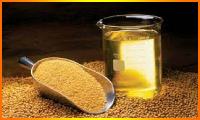
India s Oilmeal Export Up By 70% in 2022-23.
According to data compiled by the vegetable oil industry body The Solvent Extractors' Association of India (SEA), India's overall oilmeal exports from April to December were 70% higher year on year at around 3.3 million tonnes. Oilmeals are the residue left over after extracting oil from oilseeds, and they are commonly used as livestock feed. Total exports were 2.82 million tonnes in December. According to data, India's oilmeal exports were 472,438 tonnes in January, up 167 percent from 176,967 tonnes in the same month last year. It is worth noting that rapeseed meal exports have reached a new high of 1.91 million tonnes, breaking the previous high set in 2011-12. Furthermore, higher rapeseed (mustard) oil prices and rapeseed meal exports not only supported the domestic price of mustard seed, but also encouraged greater mustard crop sowing area during the current rabi season. Rabi crops are typically planted in October and November, with harvesting occurring between January and March, depending on the maturity of the commodity. One of the most important rabi crops is mustard. The agriculture ministry forecasts mustard seed production for the current crop year (2022-23) at a record 12.81 million tonne (MT), up from 11.96 MT in the previous crop year. Soyabean meal exports increased by 77% year on year to 0.55 MT in April-January 2022-23. According to officials, the drop in domestic soyabean prices to around '4,700/quintal from a high of '7,640/quintal in April 2022 encouraged greater crop crushing and better price parity.? Because of logistical proximity and smaller lot sizes, India's soyameal is primarily exported to South East Asian countries. 'Indian soyabean meal has an advantage and is preferred by certain European countries and the US because it is non-GMO,' according to a SEA.
Source:
krishijagran.com
|
21 Feb, 2023
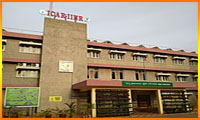
Indian horticulture body develops new low-cost structures to boost vertical farming.
The ICAR-Indian Institute of Horticulture Research (IIHR) has developed a new vertical farming structure for “protected” cultivation of crops such as cabbage and cauliflower, besides flowers like lilium and gerbera. The new structure, which can be as high as 12 feet, leads to effective space utilisation in a poly-house. This can result in productivity rising by up to six times compared with the conventional farming on a per unit area basis, scientists claimed. The low-cost vertical farming structures consist of vertically stacked layers of around 11 tiers and have inbuilt wick-based drip irrigation in which the crops can be grown in bags containing soil-less substrate mix comprising coco-peat, vermicompost, paddy husk and spent mushroom, said C Aswath, Principal Scientist, IIHR. With multiple stacked layers allowing increased utilisation of the unit area available in the poly-house by 5-6 times, and through higher planting density, the yield and productivity can be increased six times, Aswath said. Planning to patent The cost of setting up each of these structures which is one metre in width and three metres in breadth and about 12 feet in height comes around to Rs. 25,000, Aswath said. IIHR has proposed a subsidy of 50 per cent under the Mission for Integrated Development of Horticulture for the wider adoption of the new structures by farmers practising poly-house cultivation in urban and semi-urban areas, he said. IIHR has set up these new vertical farming structures at the Centre of Excellence on Protected Cultivation of Horticultural Crops at its premises in Hessarghatta, Bengaluru, to demonstrate the cultivation of high-value floriculture crops like lilium and high-value vegetables such as broccoli and purple cabbage. Safeena SA, Senior Scientist, IIHR, said the institute was looking at patenting the new vertical farming structure design. At the upcoming National Horticulture Fair starting Wednesday (February 22), IIHR will provide training to the farmers on the vertical farming techniques. With shrinking land resources, vertical farming, which helps produce more crops from small areas throughout the year, is seen as an innovative solution to help address the growing food demand. This distinctive method of farming aims at higher productivity in smaller spaces making efficient use of the available vertical space and uses soil-less farming methods. Other vegetable crops such as beans, cauliflower, various leafy vegetables, fruits like strawberries and flowers such as gerbera, gypsophilia, gladiolus can be grown under the vertical farming method, Aswath said.
Source:
www.thehindubusinessline.com
|
21 Feb, 2023
Together with the Center, the States should focus on the progress of small farmers - Shri Tomar.
Union Agriculture and Farmers Welfare Minister Shri Narendra Singh Tomar chaired the National Conference on Agriculture for Zaid (Summer) Campaign-2023 in New Delhi today. On this occasion, Shri Tomar said that India is in a very good position in terms of food grains production and this has been achieved due to the farmer-friendly policies of the government under the leadership of Prime Minister Shri Narendra Modi, tireless hard work of farmers and novel research by agricultural scientists. But the stage where India is today, we cannot be sit on our laurels, production should be scaled and on the basis of minute planning, such meaningful results should come out so that in the Agriculture sector, besides meeting the continuous supply of our domestic needs, we can successfully fulfill the world supply demands. 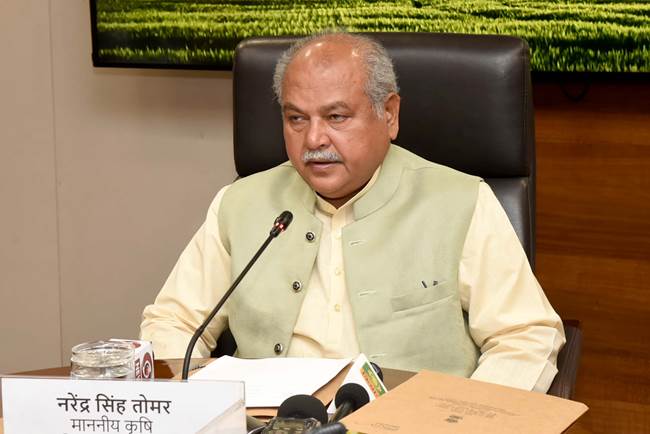 Union Minister Shri Tomar said that the Advance Estimates of a record breaking agricultural production (323 million tonnes) are encouraging. While agriculture is important, it is also an area of greater caution and responsibility. There was a time when little progress was taken for granted and the country depended on others for food grains but due to continuous progress under the efficient leadership of Prime Minister Shri Modi today most of the countries are dependent on India unlike before. We have to fulfill our needs in terms of agricultural products, as well as meet the demands of the world if needed. In this regard, we have to increase production and productivity as well as improve quality so that we can meet the global standards. Shri Tomar said that many concrete steps have been taken for the development of Agriculture sector under the guidance of Prime Minister Shri Modi, in which the States are also cooperating. As resolved by the Prime Minister, 22 crore Soil Health Cards have been distributed in two phases, the main objective of which is to preserve the fertility of our earth. Along with distribution of cards, the number of soil testing labs has been augmented at every level. The responsibility of positive result in this regard rests with the State Governments. All farmers should also participate in this. 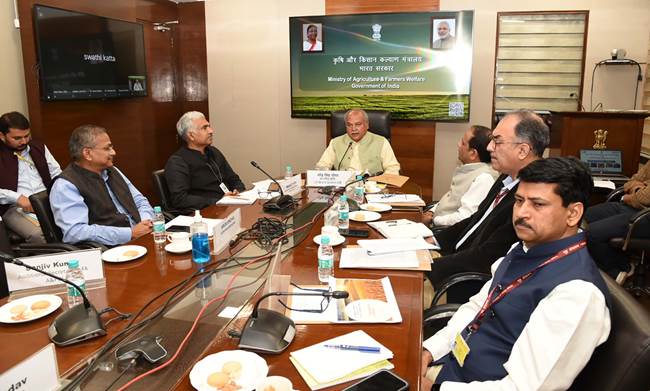 Shri Tomar said that everyone should consider adopting other available alternatives to chemical fertilizers, – nano urea, biofertilizer. About 2.5 lakh crore rupees is being incurred annually on fertilizer subsidy. Apart from saving this amount, healthy production can be done and individual health can be ensured. Due to awareness campaigns, the cultivation area under organic and natural farming is increasing. States should focus on the progress of small farmers through measures like Pradhan Mantri Kisan Samman Nidhi launched by Prime Minister Shri Modi. Krishi Vigyan Kendra and ATMA should work together at the district level to bring about rejuvenation, besides the State Governments should draw their annual plans for the Agriculture sector and consider how they can make good use of the Central Government schemes for the interest of the farmers. Agriculture and allied Departments/Ministries and States together make up the Team India, which should further strengthen the Agriculture sector. He said that Summer Crops are important, which also helps in increasing the income of small farmers. Shri Tomar said that the benefits of the schemes should reach the small farmers by making proper use of the Government funds. The government is also working on the Digital Agriculture Mission, in which cooperation of the States is necessary.   Agriculture Secretary Shri Manoj Ahuja, Secretary-DARE and Director General-ICAR, Dr. Himanshu Pathak, Secretary-Fertilizer Shri Arun Baroka also addressed the conference and presentations were made by Additional Secretaries and Joint Secretaries. Senior officers of Agriculture and other Central Ministries, Agriculture Production Commissioner/Principal Secretary and other senior officers of State Agriculture Departments, representatives of Central and State organizations participated in the conference. It was informed during the conference that there is no shortage of fertilizers anywhere in the country. The number of Kisan Samridhi Kendras has now increased to 12,000. The PM-PRANAM scheme is running smoothly, which aims to reduce the usage of chemical urea. It was also informed that Seed Traceability system is being introduced by the Centre, which will ensure availability of quality seeds. Pesticide Management System will also be implemented.
Source:
www.pib.gov.in
|
21 Feb, 2023

Effective implementation of PM GatiShakti will kick start virtuous cycle of pulling in private investments, increasing production, employment & growth : Secretary, Department for Promotion of Industry and Internal Trade
The first Prime Minister GatiShakti regional workshop for Western and Central Zone was held today in Goa. The workshop featured discussions on use cases of National Master Plan (NMP) adoption by Central Ministries & State Departments for planning and acted as a platform for mutual learning among the States and Central Ministries/Departments. Sumita Dawra, Special Secretary, Department for Promotion of Industry and Internal Trade (DPIIT), Union Ministry of Commerce and Industry and senior government officials from Central Ministries and State Governments of Gujarat, Maharashtra, Goa, Chhattisgarh, and Madhya Pradesh were present on the occasion. 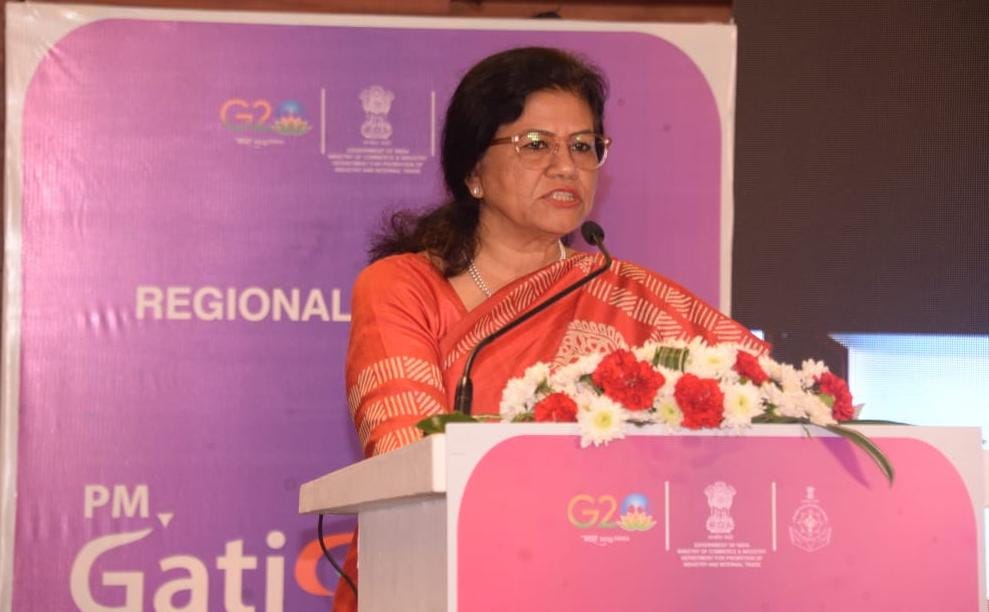 Addressing the workshop via video conference, Secretary, DPIIT Anurag Jain stated that PM GatiShakti will kick start the virtuous cycle of pulling in private investments, increasing production, employment and growth. He added that the GatiShakti NMP was launched to propel the nation towards achieving the goal of Atma Nirbhar Bharat. He further noted that the root cause of many problems faced by the common man is the huge disconnect between macro level planning and its implementation at the micro level and that the GatiShakti NMP is huge step towards resolving the same. Synergies can be built to ensure integrated planning, synchronized implementation and monitoring of infrastructure, economic and social sector projects/schemes through this platform, added Secretary Anurag Jain. 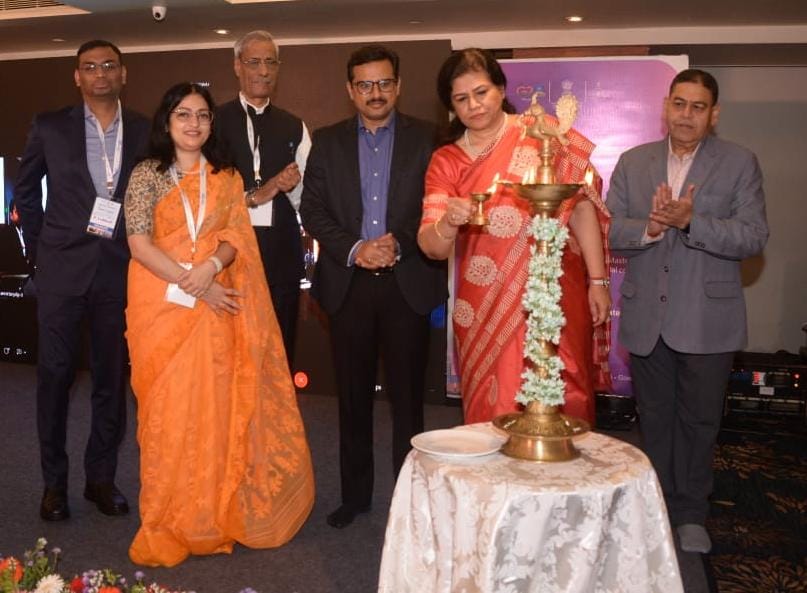 Special Secretary, DPIIT Sumita Dawra observed that since the launch of PM GatiShakti on Oct 13, 2021 by Prime Minister Narendra Modi, several milestones such as the launch of a National Logistics Policy has been achieved. Tracing the progress made under PM GatiShakti NMP, she added that as of today over 1300 layers have been uploaded. 30 Individual portals of Central Ministries and 36 States/UTs State Master Plan portals have also been developed. 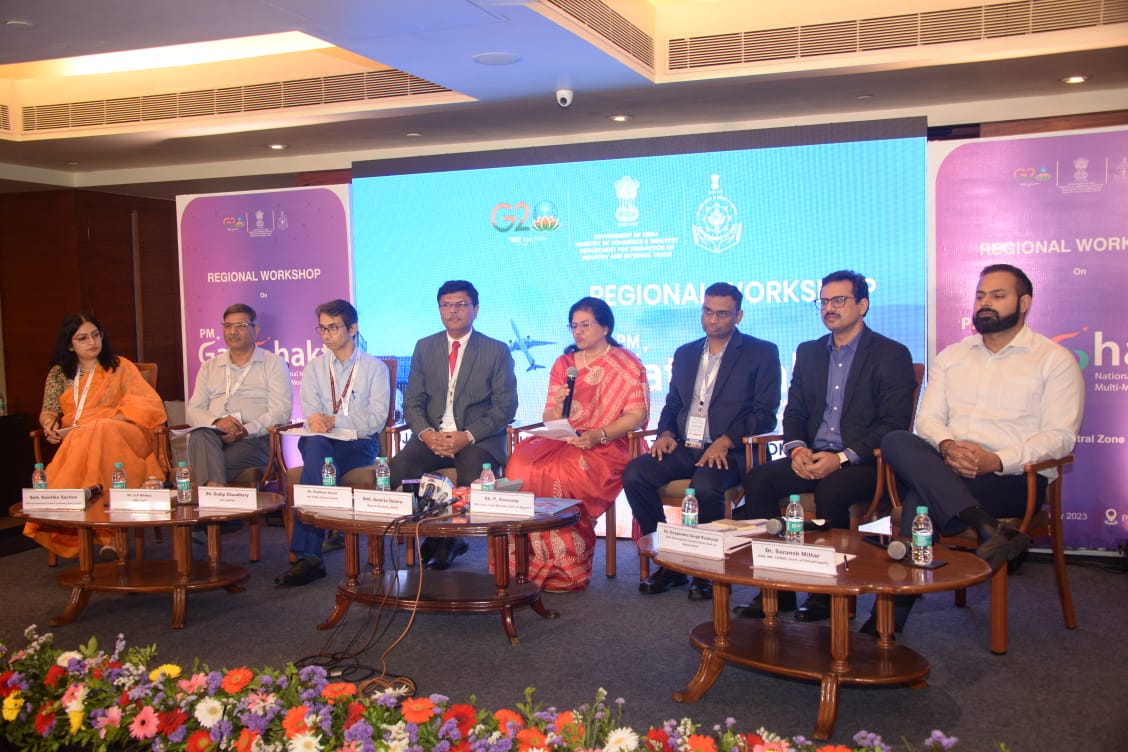 Nodal Officers from Union Ministry of Road Transport and Highways, Union Ministry of Railways and Union Ministry of Communications and Information Technology also shared their improved experiences with PM GatiShakti in project planning. The day further witnessed a range of sessions, including a few on demonstration of use cases and best practices of PM GatiShakti in holistic planning of economic activities and social sector planning, on significance of City Logistics Plan in creating sustainable cities and on issues & bottlenecks on major projects of the States enlisted in the PMG.
Source:
www.pib.gov.in
|
21 Feb, 2023

UAE committed to placing highest priority on food security: Dubai ruler.
The UAE is committed to providing an exceptional standard of living for all people living in the Emirates, the country’s Vice-President has said. As part of this, its leaders place the highest priority on ensuring food security and creating strong and resilient supply chains and ecosystems. His Highness Sheikh Mohammed bin Rashid Al Maktoum, Vice-President and Prime Minister of the UAE and Ruler of Dubai, made these comments as he toured Gulfood 2023, the largest annual global food and beverage sourcing event in the world, which began at the Dubai World Trade Centre (DWTC) on Monday. 'Aligned with our vision to be a leading player in shaping the future of vital sectors that drive global prosperity and growth, the UAE continues to bring together nations, markets and industries to discuss vital issues that impact the sustainability of economies and societies. 'Furthermore, we seek to foster the sharing of knowledge and advance the adoption of new technologies and solutions that promote equitable access to food resources and the sustainable production, distribution and consumption of food worldwide.' Bringing together F&B communities from across the world to chart the way forward for this rapidly evolving sector, the 28th edition of the mega event is 30 per cent larger than previous years, with 1,500 of its over 5,000 exhibitors new to the trade show. The event will be on till February 24. Leading global brands exhibiting at Gulfood 2023 include Unilever, GMG, Americana, Agthia, Fonterra, McCain, Monin, USAPEEC, Hunter Foods, ASMAK, Minerva Foods, U.S. Dairy Export Council, Frinsa Group, Emirates Snacks Foods and Al Rabie to name a few; as well as newcomers including Brazilian food processing company BRF Global and Agricultural, and Processed Food Products Export Development Authority (APEDA). Gulfood 2023 will put the spotlight on the role of the food industry in creating healthier, more resilient food systems and helping reverse global inflation.
Source:
www.zawya.com
|
21 Feb, 2023
FCI invites bids for sale of 11.72 lt of wheat in third e-auction.
The Food Corporation of India (FCI) has floated bids from 620 depots across the country to sell a total 11.72 lakh tonnes (lt) of wheat during the third round of e-auction, which is scheduled to take place on next Wednesday. 'For the third e-auction, bidders who have registered themselves on the e-portal of M Junction by 10:00 PM, February 17, will be allowed to participate. The last date for deposit and uploading of earnest money deposit (EMD) is February 21 and e-auction will start at 11:00 AM on February 22,' the Food Ministry said on Saturday. The Ministry said a total of 12.98 lt of wheat were sold during the previous two rounds of the e-auction and as much as 8.96 lt has been lifted by the successful bidders. This, the Ministry said, resulted in the cooling down of prices of wheat and atta. A total of 25 lt has been approved for sales through e-auction, while another 5 lt has been earmarked for cooperatives and State governments to directly lift at reserve prices. The government has been aggressively trying to offload as much wheat as possible in the open market through a well distribution plan with a cap of maximum 3,000 tonnes per bidder to lift through the auction, which has been scheduled on a weekly basis. On February 17, the Ministry reduced reserve prices of wheat by Rs 2/kg. Accordingly, the reserve prices are Rs 2,150/quintal for fair average (FAQ) quality and Rs 2,125/quintal for Under Relaxed Specifications (URS) category in the third round of e-auction. Earlier on February 10, the government had fixed the reserve prices of wheat at Rs 2,300/quintal for URS and Rs 2,350/quintal for FAQ quality, uniform all across the country, changing the previous rates which also included additional freight costs from Bhopal or Ludhiana till the depot.
Source:
www.thehindubusinessline.com
|
21 Feb, 2023

India, Iraq explore ways to diversify trade from oil to non-oil sectors.
India and Iraq on Monday discussed ways to further increase and diversify trade from oil to non-oil sectors, while stressing the importance of expanding economic partnership and technology engagement. The two sides held wide-ranging talks during the second round of the India-Iraq Foreign Office Consultations in Baghdad where the Indian delegation was led by Ausaf Sayeed, Secretary (CPV & OIA), while Iraq's delegation was led by Hisham Al Alawi, Undersecretary for Political Planning Affairs from the Ministry of Foreign Affairs of Iraq. Sayeed also called on Iraq's Deputy Prime Minister and Minister of Oil Hayyan Abdul Ghani, Iraq's Minister of Trade Atheer Dawood Salman, Iraqi National Security Adviser Qasem Al Araji and Iraq's President of Sunni Awqaf Board Mesh'an Al Khazraji, and discussed a range of bilateral, regional and international issues of mutual interest, a statement issued by the Ministry of External Affairs said. Both the sides noted the warm and friendly traditional relations, and comprehensively reviewed the current status of bilateral relations in all fields including political, economic, defence, security, trade and investments, development partnership, scholarship programme and capacity building, cultural relations and people-to-people contacts, the statement said. Detailed discussions were held on further strengthening of the bilateral relations and the future direction of the growth of bilateral cooperation, the statement said. Both sides expressed their satisfaction about the bilateral trade, which exceeded USD 34 billion for 2021-22 and discussed ways and means to further increase and diversify trade from oil to non-oil sectors, it said. The Indian and Iraqi sides noted the importance of expanding economic partnership and technology engagement. They also noted opportunities for investment, particularly in the fields of oil and gas, infrastructure, healthcare, power, transport, agriculture, water management, drugs and pharmaceuticals, ICT, and renewable energy. They urged business community to engage closely for mutual benefit. A sizeable number of candidates from Iraq have been benefiting from our capacity-building programme, including ITEC and higher education scholarships. Both sides are keen to enhance the level of economic engagement and people-to-people exchanges. The secretary (CPV & OIA) also announced that an artificial limb fitment camp (Jaipur Foot) will be organised in Iraq soon, the MEA said. Sayeed interacted with the Indian community, Indian and Iraqi business leaders and Indian Technical and Economic Cooperation and Indian Council for Cultural Relations alumni from Iraq. He also inaugurated the newly-constructed Indian Consular Application Centre (ICAC) in Baghdad which will facilitate Indian and Iraqi nationals, seeking visas and consular services. Both sides agreed on the importance of continuing the upward momentum in the relationship through exchanges of regular visits and consultations, and agreed to hold the next India-Iraq Joint Commission Meeting at Oil Ministers' level in New Delhi at a mutually convenient date, the statement said.
Source:
economictimes.indiatimes.com
|
21 Feb, 2023

India-UAE Business Council launched to boost bilateral trade and investment.
Marking the first anniversary of the India-UAE Comprehensive Economic Partnership Agreement (CEPA), the two sides have launched the UAE chapter of their joint business chamber to bolster economic ties and facilitate enhancing bilateral trade and investment. India and the United Arab Emirates (UAE) inked a CEPA on February 18 last year to boost trade ties following a virtual summit between Prime Minister Narendra Modi and Crown Prince of Abu Dhabi Sheikh Mohammed bin Zayed Al Nahyan. The UAE India Business Council - UAE Chapter (UIBC-UC) was launched on Saturday by Thani bin Ahmed Al Zeyoudi, UAE Minister of State for Foreign Trade, in the presence of Ambassador of India to the UAE, Sunjay Sudhir, Consul General of India in Dubai Aman Puri and founding members of the UBIC-UC. The two nations aim to increase bilateral trade to USD 100 billion and attract USD 75 billion in investment from the UAE to India. The UIBC-UC is poised to play a crucial role in supporting both governments in achieving these objectives and maximising the potential of the UAE-India relationship. By leveraging the strong bond between the two nations, the council brings together key partners and stakeholders from both nations and will serve as a valuable source of policy guidance, fostering innovative collaboration between Emirati and Indian businesses. Speaking on this occasion, Minister Zeyoudi highlighted that the establishment of the UAE Chapter of the UAE India Business Council marks a significant moment in the deepening of the relationship between the United Arab Emirates and India. He also mentioned that the Council will play a critical role in supporting the two governments in their joint mission to boost bilateral trade and investment. He expressed confidence that it will catalyse innovative collaboration between our two great nations. Ambassador Sudhir said, 'The launch today marks a significant milestone in the strengthening of the relationship between the United Arab Emirates and India.' The UIBC-UC will serve as the counterpart organisation to the UIBC India Chapter, which was established in New Delhi on September 3, 2015, by Sheikh Abdullah bin Zayed Al Nahyan, UAE Minister for Foreign Affairs and International Cooperation, and Sushma Swaraj, then Minister of External Affairs of India. The UAE India Business Council - UAE Chapter (UIBC-UC) has been set up with the approval of UAE's Ministry of Foreign Affairs and International Cooperation and the Ministry of External Affairs, Government of India. The UIBC-UC will operate under the supervision of the Federation of UAE Chambers of Commerce & Industry and has been registered as a legal and financial entity with the Dubai Chamber of Commerce. The council will have its office in Abu Dhabi and will be a pan UAE body focussing on promoting trade and investment relations between the UAE and India. Membership to UIBC-UC will be by invitation only, and institutional members will be invited over time. Faizal Kottikollon, Chairman, of KEF Holdings, who has been appointed as the Chairman of UIBC-UC, said the council's focus will be to identify significant strategic projects that can be undertaken by both countries. 'This includes investments in large infrastructure projects in India, advancements in manufacturing and technology, and providing Indian manufacturers with the ability to use the UAE as a base for their global expansion,' he said. Rizwan Soomar, CEO & MD (India Subcontinent) at DP World, will serve as the Co-Chairman of UIBC-UC. Major General (Retd.) Sharafuddin Sharaf, who serves as the Chairman of the UIBC India Chapter, will also hold the position of Vice Chairman of UIBC-UC. The founding members of the UIBC-UC from the UAE side are Mubadala - Sovereign Wealth Fund of the UAE, Wizz Financial, DP World, EMAAR, Emirates Airlines, and Emirates NBD Bank. From the Indian side, large conglomerates such as TATA, Reliance, and Adani as well as tech innovators like OLA, Zerodha, Udaan, and EaseMyTrip along with prominent Indian entrepreneur led Corporations based in the UAE such as KEF Holdings, Buimerc Corporation, Apparel Group, EFS and Lulu Financial are represented.
Source:
economictimes.indiatimes.com
|
21 Feb, 2023

Pune company exports India s first commercial consignment of Purandar figs to Hong Kong.
A farmer producer company in the Purandar taluka of Maharashtra’s Pune district successfully exported to Hong Kong India’s first commercial consignment of 550 kg of GI-tagged Puranadar figs. Rohan Ursal, a Director, Purandar Highlands, said they will now explore exports to Malaysia and other countries now. 'We exported the consignment on February 10, and today after getting detailed feedback from importing client, we are very happy to announce that the consignment was a success and well accepted and also one that has generated interest in the importing country for further orders,' said Ursal. This was a joint effort between Purandar Highlands and Scion Agricos. The consignment had the branding for the ‘VISIT INDIA 2023’ mission of Incredible India, Ministry of Tourism to support its campaign. Purandar figs have limited market reach due to the highly perishable nature of the fruit. Purandar Highlands, whose members and board of directors are from the Purandar and Baramati regions of the district, has been working with the growers to ensure export quality figs and custard apples are harvested in the region. The farmers producer company has also ventured into the business of table spreads. Ursal said they had been experimenting with smaller quantities to understand the logistics necessary for export. To ensure fruits have a longer shelf life, they need to be harvested in the right manner and also packed properly. The FPC along with input giant Bayer Crop Science has been working to ensure farmers grow and harvest export-quality fruits. After the successful trial of smaller consignments, they decided to carry out commercial consignments. Interestingly, the latest export came after the first sample consignment was sent to Hamburg in Germany and a few EU countries. Ursal said while the demand remains high, they have committed to providing around 450-550 kg of export-quality figs per week. He said they have got orders for exports to Malaysia as well. 'Purandar Figs were always considered highly perishable, limiting its reach to farther markets. However with joint efforts of our FPC team and our partners, we are now taking our fresh figs to global markets with a commercially viable and sustainable farm-to-table model,' he said.
Source:
indianexpress.com
|
20 Feb, 2023
Karnataka budget. Karnataka to incentivise millets production; announces new scheme to boost horticulture exports.
Karnataka announced plans to incentivise millets production besides initiating a new schemes to promote processing and exports of horticulture produce and bring more area under organic and natural farming in the state. Presenting Budget 2023-24, Karnataka chief minister Basavaraj Bommai announced an incentive of Rs. 10,000 per hectare for enhancing minor millets production under the ‘Raithasiri’ scheme and also hiked the limit on interest free short-term loan to farmers from Rs.3 lakh to Rs.5 lakh this year. 'Karnataka is at the forefront of millets production. As a part of the International Year of Millets, an incentive of Rs.10,000 per hectare will be provided to minor millets growers under 'Raithasiri' scheme to promote area expansion, production and to increase productivity. Apart from this, under new scheme of ‘Mukhyamanthri Raitha Unnathi Yojane,’ priority will be given for providing subsidy to Farmer Producers Organisations undertaking processing, grading and packing at field level,' Bommai said. Through KAPPEC (Karnataka State Agricultural Produce Processing and Export Corporation) ‘Raitha Sampada’ programme will be initiated to promote processing and export of agricultural and horticultural produce at a cost of Rs.100 crore, Bommai added. Karnataka, a large producer of horticulture crops, presently has 26.21 lakh ha under horticulture crops with an output of 242 lakh tonnes valued at Rs.66,263 crore. Bommai also said that Apical Root Culture Technology will be introduced at reasonable price to farmers to achieve self-reliance in potato seed cultivation. Potato seed is being imported from the Northern states for potato cultivation. One farm One crop scheme ‘One farm One crop’ scheme will be implemented in the 12 horticulture farms of the department. According to the agro climatic conditions, suitable crops will be identified and research and demonstration will be carried out to enhance productivity. 'One time grant of Rs.10 crore will be provided for this,' he said. Supplementing the Centre’s scheme to attract one crore farmers to organic farming, Bommai announced that one lakh hectares will be covered under organic and holistic farming in the next four years on cluster model in 50 hectares area in each taluk of the state. Water conservation Further, to improve underground water level, a new scheme 'Jalanidhi' will be launched wherein water conservation works will be taken up by building farm ponds in farmers’ lands. Under this, all farmers will be encouraged to construct farm ponds in their own land by converging with MGNREGA scheme. Horticulture The chief minister also announced an assistance of Rs.10 crore to Agriculture and Horticulture Research Centre at Theerthahalli to develop new technology for the management of diseases affecting arecanut crops and also to enhance productivity, while announcing horticulture college in Tiptur. He also said that Rs.100 crore grant will be allocated to Karnataka Grapes and Wine Board to assist grape growers in various activities. Karnataka has provided Rs.39,031 crore grant in the year 2023-24 to the Agriculture and allied activities sector. 'The limit of interest free short-term loan given to farmers will be increased from Rs.3 lakh to Rs.5 lakh from this year. This would ensure availability of hassle free and need based loan facility for making necessary preparation for farm-related activities', Bommai said. This year, a loan of Rs.25,000 crore will be distributed to over 30 lakhs farmers. 'We have decided to give additional subsidy of Rs.10,000 in 2023-2024 under the new scheme ‘Bhoo siri’ for Kisan Credit Card holders. This would facilitate farmers purchase seeds, fertiliser, pesticides and other farm inputs in times of exigencies. The state will contribute Rs.2,500 and NABARD Rs.7,500 and would benefit around 50 lakh farmers of the State' he added.
Source:
thehindubusinessline.com
|