
India among top 3 nations in expanding organic farming in 2020.
India has emerged as one of the top three countries in the world where the area under organic agriculture expanded the maximum in 2020, according to latest data.
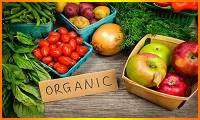
The total increase under organic cultivation globally in 2020 was 3 million hectares (mh), out of which Argentina accounted for 7,81,000 hectares (up by 21 per cent), followed by Uruguay at 5,89,000 hectares (28 per cent) and India at 3,59,000 hectares (16 per cent), according IFOAM -Organics International data.
Of the world’s total 74.9 mh under organic farming, Australia has the highest at 35.7 mh, whereas India has 2.8 mh. In contrast, out of total 34 lakh organic producers in the world, 16 lakh farmers in India are into certified organic farming.
Experts said unless and until the government takes concrete steps, the growth in organic agriculture may not see any significant improvement. Issues such as the certification process and its costs are key to the growth and there is no one particular department or agency for it. Works are fragmented and span across several organisations and ministries, experts said.
Aid for farmers
As reported by businessline in December 2022, the Cabinet is yet to approve Agriculture Ministry’s Rs.2,481-crore proposal to launch the National Mission on Natural Farming (NMNF). The mission is supposed to be implemented from the current fiscal until 2025-26, with a target to bring on fold 7.5 lakh farmers to practice non-chemical natural farming on 7.5 lakh hectares. Under the scheme, farmers will get a maximum of Rs.15,000/hectare (until 2025-26) depending on loss in income, if any, after switching over to natural farming.
The target realisation of enrolling 7.5 lakh farmers will take at least four years since the entire process of capacity building of farmers through formation of clusters, their certification and also organising them as FPOs is very slow, officials said. Since certification will also be there for these farmers, experts wonder how these products would get exported unless they are labelled as ‘organic.
For the export purpose, the government needs to take a call on branding under either organic or natural farming or some other name so that no one gets confused and the crops receive better prices in the market, said an expert.
Source: thehindubusinessline.com

Cold chain industry crucial for food safety; reducing food waste, meet told.
Ministry of Agriculture and Farmers Welfare, along with PHD Chamber of Commerce & Industry (PHDCCI) in association with National Centre for Cold Chain Development (NCCD) as a knowledge partner, organised a one-day exhibition and conference as 'India Cold Chain Conclave' in New Delhi recently. The conference was organised with the objective to bring together all the stakeholders on one common platform where they can contribute thoughts and ideas for the growth of industry in a sustainable manner and to explore ways of reducing post-harvest losses with relevant technologies. An exhibition was also organised concurrently to demonstrate Innovations and Excellence in Cold Chain Sector by industry leaders.
The conclave and exhibition was inaugurated by Manoj Ahuja, Secretary, Department of Agriculture and Farmers Welfare. He said that Ministry of Agriculture recognises the importance of the cold chain industry in ensuring food safety, reducing food waste and increasing the shelf life of perishable products and ministry has set up an extensive outlay of policies and programmes to give strength to this sector. Technological innovation is crucial for the growth and development of the Indian Cold Chain industry. With the advent of advanced refrigeration and cooling systems, the industry is now able to store and transport goods at much lower temperatures, which helps to extend the shelf life of perishable products. This has led to an increase in the export of perishable goods from India, as the products can now reach international markets in better condition.
During the conclave, approval of the product-specific horticulture clusters in various parts of the country under the Horticulture Cluster Development Programme of MoA&FW was accorded. On this occasion, Ahuja handed over the letter of acceptance to the five Cluster Development Agencies and Implementing Agencies for respective Clusters viz. Apple in Shopian (J&K), Banana in Ananthapur (Andhra Pradesh), Grape in Nasik (Maharashtra), Mango in Mahbubnagar (Telangana) and Turmeric in West Jaintia Hills (Meghalaya), out of 12 selected clusters for pilot phase. The respective Implementing Agencies include FIL Industries Pvt. Ltd., Desai Agrifoods Pvt.Ltd., Sahayadri Farms Post-Harvest Care Limited, Prasad Seeds Pvt. Ltd. and Meghalaya Basin Management Agency through their Cluster Development Agencies namely JK HPMC, Andhra Pradesh Horticulture Development Agency, Maharashtra State Horticulture and Medicinal Board, Telangana State Horticulture Development Corporation Limited and Meghalaya State Agricultural Marketing Board. It was also announced that the applications for 7 other pilot clusters namely Mango for Kutch and Lucknow, Pomegranate for Solapur & Chitradurga, Banana for Theni, Apple for Kinnaur and Pineapple for Sepahijala are under process.
Dr Abhilaksh Likhi, Additional Secretary (DA&FW), said that the Indian cold chain industry is expected to experience significant growth in the coming years. The increasing demand for perishable goods such as fruits, vegetables, and meat products, as well as the rise in e-commerce and online grocery sales, are driving this growth. As the demand for these goods continues to grow in India, the government recognises the need to support the development of the cold chain industry in order to ensure food security and public health.
Priya Ranjan, Joint Secretary (Horticulture), said that the Agriculture Ministry, under the dynamic leadership of Agriculture Minister, is working fast in understanding the new needs which are emerging on the cold chain front and we are progressing ahead with various programmes initiated to bring new developments in the cold chain sector.
During technical sessions, various issues relating to logistics and cluster development to unlock cold chain development prospects, cold chain energy efficiency, refrigeration technology and importance of Internet of Things in cold-chain and so on were deliberated in detail by the delegates with the objectives to bring improvement of the development of cold-chain industry in sustainable manner.
The event was attended by other senior officers from the Ministry of Agriculture, Ministry of Food Processing Industries, APEDA and Bureau of Energy Efficiency. The conclave was also attended by over 250 participants/delegates belonging to various Government departments, corporates, technology providers, traders, exporters, researchers and other stakeholders from various parts of the country.
Source: fnbnews.com

Farmers Must Explore Export Opportunities: Union Minister Shobha Karandlaje Inaugurates Seminar At Suttur.
Union Minister of State for Agriculture and Farmers Welfare Shobha Karandlaje has given a clarion call to farmers to explore the possibilities of starting micro industries by utilising 50 percent subsidy given by the Centre to start micro industries. The farmers should open millet processing units and export the products to foreign countries.
She was addressing the gathering after inaugurating a Seminar on ‘Agriculture,’ organised as part of Adi Jagadguru Sri Shivarathreeshwara Shivayogigala Jatra Mahotsava, at Suttur Srikshetra in Nanjangud taluk yesterday.
'India has contributed best practices like Yoga and Ayurveda to the world. By announcing the year 2023 as International Year of Millets, a step has been taken towards gifting millets to the world. Prime Minister Narendra Modi has aided farmers by expanding the size of agriculture budget which was restricted to Rs. 23,000 crore from the last 75 years to Rs. 1.32 lakh crore. Under Krishi Vikasa Yojane, Rs. 1.2 crore has been set aside for the processing of agricultural produces and development of production units. The funds are earmarked for setting up cold storage units at every districts to store every agricultural produces and laboratories,' said Union Minister Shobha Karandlaje.
The other countries in the world are ready to buy quality seeds, millets and millet based products. The small farmers should come together and set up production centres and export the products. The farmers can also export their products through Agricultural & Processed Food Products Export Development Authority (APEDA) and should make use of the opportunity, said Shobha Karandlaje.
MLA G. T. Devegowda, Managing Director of Artha 360 Eco Ventures M.N. Dinesh Kumar, progressive farmer Honnur Prakash and senior journalist H.R. Ranganath also spoke on the occasion.
Suttur Seer Sri Shivarathri Deshikendra Swamiji, HiriyurAdi Jambava Peetha’s Sri Shadaksharamuni Deshikendra Swamiji and Kaginele Gurupeetha’s Sri Niranjananandapuri Swamiji graced the occasion.
Source: starofmysore.com
Union Agriculture Minister Shri Narendra Singh Tomar visits the International Trade Fair on Millets and Organic Products, in Bengaluru.
Union Minister of Agriculture and Farmers Welfare, Shri Narendra Singh Tomar said that the Prime Minister Shri Narendra Modi is very sensitive towards the small farmers of the country. Shri Modi, with foresight, raised the issue of Millets in the United Nations, where the resolution of the Government of India was adopted with the support of 72 countries and as per the United Nations declaration, the year 2023 is now being celebrated under the leadership of India as the International Year of Millets. Behind this, the main objective of the government is to increase the production and productivity, processing and exports of millets, which will ultimately help the farmers of the country.
Union Minister Shri Tomar said this in Bengaluru today as the chief guest at the closing ceremony of the International Trade Fair on Millets and Organic Products. Shri Tomar said that Millets crops can be grown in less water. Millets also help in increasing the income of farmers. With the increase in the production and consumption of millets in the country, its export will also increase, which will benefit a large number of farmers. He lauded the efforts of Karnataka Government to increase the production and consumption of millets and termed the signing of MoUs worth Rs. 201 crore rupees as an important milestone. He also praised the incentives provided to the farmers of the state.
Shri Tomar said that the Center and the State Governments are running many important schemes for the welfare of the farmers including increasing their income. Farmers are being given an annual income aid of Rs. 6,000 through the Prime Minister Kisan Samman Nidhi (PM-Kisan) Scheme. Besides, farmers in Karnataka are being given an additional annual income support of Rs. 4,000 each. With the aim of increasing the potential of majority of small farmers, the Prime Minister Shri Modi has initiated setting up of 10,000 new Farmer Producer Organizations (FPOs) in the country, on which the Government of India is spending Rs. 6,865 crore. He appreciated the enthusiastic contribution in formation of new FPOs across the country as well as in Karnataka. Shri Tomar said that many programmes have been launched by the Center to make agriculture advanced and the farmers prosperous.
On the occasion, Shri Tomar gave away awards in various categories. The Union Minister of State for Chemicals & Fertilizers and New and Renewable Energy, Shri Bhagwanth Khuba, Agriculture Minister of Uttar Pradesh, Shri Surya Pratap Singh Shahi and state Horticulture Minister Shri Dinesh Pratap Singh, besides Agriculture Minister of Karnataka, Shri B.C. Patil were present at the function.
Source: pib.gov.in
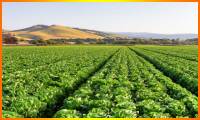
Centre to institute special awards to promote natural farming, said MoS Kailash Choudhary.
The central government has decided to institute special awards to promote natural farming in the country, announced Kailash Choudhary, Minister of State for Agriculture, while speaking at a function in Pune.
'The awards will be given in three categories which will include award for individual farmer for best natural farming, award for agricultural scientists for research on natural farming and award for the Krishi Vigyan Kendra for promotion of natural farming,' said Choudhary.
He was speaking at a conference on natural farming and millets at Pune.
Choudhary said that henceforth, the agricultural scientists will have to do research on natural farming. 'So far, the research on natural farming has been done only by the farmers. The scientists now need to take forward the research done by the farmers. They should not have any confusion about natural farming in their mind. Agricultural scientists will now have to do research on natural farming. They will also have to take training about natural farming,' said Choudhary.
The United Nations has declared 2023 as the International Year of Millets and India is leading the global awareness campaign about millets. 'If millets can reach the plate of each person, then it can reduce the number of hospitals to a certain extent in the world. We have requested the five star and the seven star hotels to keep millets in their menu. People can contribute to spreading awareness about millets by keeping millet items on the menu at marriages,' said Choudhary.
Source: economictimes.indiatimes.com

Gulfood to play leading role in food challenges; kick-starting pivotal year.
Dubai World Trade Centre (DWTC) has announced that the largest annual global food and beverage sourcing event in the world, Gulfood, will take place from February 20-24, 2023. Bringing together F&B communities from across the world in Dubai to chart the way forward for this rapidly evolving sector, the 28th edition of the show is set to be 30% larger than the previous years, with 1,500 of the 5,000+ confirmed exhibitors new to the show. Gulfood 2023’s record scale is due in part to the introduction of Gulfood Plus, a brand-new bespoke hall, where first-time exhibitors will showcase product innovations across 10,000 m2 of added floorspace.
Leading global brands exhibiting include: Unilever, GMG, Americana, Agthia, Fonterra, McCain, Monin, USAPEEC, Hunter Foods, Asmak, Minerva Foods, U.S. Dairy Export Council, Frinsa Group, Emirates Snacks Foods and Al Rabie to name a few; as well as newcomers including Brazilian food processing company: BRF Global and Agricultural and Processed Food Products Export Development Authority (APEDA).
Globally, a series of world events are causing inflation and a rise in the cost of consumer goods, food, utilities, and fuel. The food industry has a huge role to play in helping reverse these trends and moving towards healthier, more resilient food systems. With the UAE preparing to host COP 28 in 2023, Gulfood will serve as a critical opportunity to convene the global F&B industry at the start of the year, and continue the shift towards more sustainable food production and consumption.
'With the ongoing food crisis, combined with climate shocks, and rising costs of food, 2023 will be an important year for turning the corner and getting back on track while elevating healthy and diversified diets that are sustainable for people and the planet. Gulfood and the UAE will be at the heart of many of these conversations and have a unique vantage point from which to lead the way,' commented Trixie LohMirmand, executive vice president, Dubai World Trade Centre.
The source of the world
With the UAE acting as the central hub of all these changes, Gulfood will be at the heart of the business community, the source of propelling sector conversations from agenda to action, bringing the industry together to convene in the first key F&B industry event of the year, unveiling new products and innovations, and creating an international platform for business opportunities including 125 country pavilions with first time participants: Armenia, Cambodia and Iraq, and welcoming back returning pavilions from South Africa and Australia.
Sustainability at the fore
Launching in 2023 Gulfood presents: Gulfood Green - a new global sustainability initiative, to ignite and continue conversations within the wider F&B community to create a momentous shift towards more resilient and sustainable food production and consumption. The objective being to raise visibility and influence key strategic food industry champions for sustainable food systems transformation in the lead up to COP28 and set a precedent for the future.
As part of the initiative the show has also launched its own Gulfood Global Forest, an international tree-planting campaign and nature-based solution to the events’ sustainability commitments, to conserve, restore and grow trees across the globe to help curb climate change. The food industry is known to be a major carbon emitter and the Gulfood Forest will enable stakeholders of the event from exhibitors and visitors, to speakers, chefs and the wider public to get involved and plant trees to help restore global forests. Gulfood Green has already started planting in four countries: the UAE, Uganda, Ecuador and Indonesia, with fruit bearing trees planted in a number of locations to enable families and local communities to become self-sufficient. The trees already planted will support 2,000 families and sequester 1 million kg of CO2 over the trees’ lifetime. Gulfood Greens’ commitment is to quadruple the number of trees and country expansion by COP28.
The theme of sustainability will be carried through multiple verticals of the event, with topics being discussed at the conference including: Working towards zero food waste and making the dairy industry less carbon-intensive, to building and securing viable, sustainable food business. Speakers include: Paul Newnham – executive director of SDG2 Advocacy Hub; Carlos Frunze Garza, advocate for sustainability and executive chef of Teible; Kylie Woodham – general manager of Magners Farm; and Kamesh Ellajosyula - president and chief innovation & quality officer of Olam Food Ingredients. The show will also put the spotlight, for the very first time, on global chefs spearheading biodiversity in the restaurant industry, with masterclasses and workshops by top chefs creating real change, through sustainability and zero waste initiatives including: Rasmus Munk of Alchemist in Copenhagen and Peeter Pihel, sustainable restaurant advocate and head chef of Fotografiska.
The Gulfood Green Awards will also take place this year, with submissions open to the industry, in five categories: Green Foodservice Industry Award, Waste Management Award; Green Food Innovation Award; Sustainability Professional of the Year and Sustainability Company of the Year. The Gulfood Green Awards celebrate excellence in sustainability and encourage green best practice across the food & beverage industry.
Impactful conversations to spur change
The Gulfood Inspire Conference will champion core themes of: Sustainability, Quality and Access. Ministers, global F&B value chain leaders, entrepreneurs, civil society and industry experts will lead a series of keynotes, panel discussions and showcases, addressing timely topics including: Sustainable Food Production; Food Security and Sovereignty; Agri-Food and Food Tech Investment; Innovations and Web 3 Opportunities; Nutrition Education and Access; Waste Reduction; Securing International Supply Chains; and Food Services Trends, Challenges and Innovations. Confirmed first time speakers include: Yazen Al Kodmani - head of operations of Emirates Bio Farm; Alessio D'Antino - co-founder & CEO of Forward Fooding; Neha Sood - UAE market lead for Zomato; Rajiv Warrier - CEO GCC of Choithrams and Ruben Brunsveld, deputy director - EMEA, Roundtable on Sustainable Palm Oil.
The show has partnered with global award-winning market intelligence agency, Mintel, to curate a thought leadership programme for the F&B industry. As the events’ Strategic Knowledge Partner, the agency has undertaken exploratory interviews with leaders across the food & drink industry, covering topics including sustainability and inflation. Experts and leaders from around the globe, have shared challenges and priorities as food & drink professionals with the aim of collectively looking to understand the key challenges the food & drink industry faces and the solutions businesses are adopting to overcome them.
The results from the research will be shared in a whitepaper in the weeks leading up to Gulfood 2023 and to be more widely used across the industry to provide guidance and inspiration to businesses at this critical time.
‘Dubai World Cuisine’ movement
Gulfood Plus will be the home of Top Table this year, where the world’s best curators of award-winning dining experiences will showcase their signature dishes. Gulfood 2023 will launch the ‘Dubai World Cuisine’ Movement, which aims to provide a platform for homegrown chefs to collaboratively shape the cultural identity of Dubai and establish it on the world’s culinary map.
For 2023, Singapore has been selected, for the nation’s vibrant and diverse culinary scene from Michelin-starred restaurants to UNESCO-recognised street food. The programme will see 6 iconic chefs from Singapore hosted in 6 restaurants in Dubai in February with masterclasses and fringe dinners outside of the event, across the city. Two months later in May, the Dubai chefs will then be hosted in Singapore for 6 dinners under the umbrella of Dubai World Cuisine by Gulfood.
A star-studded lineup of internationally renowned Michelin star chefs participating in the programme include: Melbourne born Michael Wilson of Marguerite in Singapore, Winner of the Michelin Guide Young Chef of the Year, Louis Han of Nae:um; and hailing from Liguria, Italy, Daniele Sperindio of Art in Singapore. Michelin star homegrown talent includes: Gregoire Berger of Ossiano, Salam Dakkak of Bait Maryam and Saverio Sbaragli of Al Muntaha - all participating in Gulfood for the very first time. Alongside Top Table, Chef Talks will offer insights and inspiration from global chefs, food editors and influencers in the culinary world.
The leaders of tomorrow
As the first-of-its-kind launch-pad for empowering promising F&B talent with a career changing experience, the Gulfood YouthX Challenge grand finale winners, competing at Gulfood 2023, will be rewarded for their contribution to the region’s influence on the global gastronomic scene with a career changing internship at an international 3-Michelin star restaurant.
In another event first, YouthX Academy Acceleration has been created to provide a pathway for culinary students to fast-track their career in the world of professional gastronomy, the YouthX Academy Challenge will see teams of talented young chefs from top international culinary schools compete with each other for the chance to secure a full-time position at one of the most coveted restaurants in the region.
Foodverse
Also taking place at the new Gulfood Plus - the Food Metaverse on the blockchain will give visitors the chance to discover the incredible opportunities that the food ecosystem is presented with through Web 3.0, and learn about emerging technology trends that will pave the way for future innovations in the F&B industry.
Gulfood Innovation Awards
The Gulfood Innovation Awards are bestowed to the industry's revolutionary pioneers, honouring excellence in new product development and championing ground-breaking new products, launched within the past calendar year. Thousands of entries have already been submitted in 10 categories including: best beverage product, best organic product, best frozen product, best packaging design and best plant-based product.
Enabling global connections
The show will create a platform for companies in the food industry to present their products, services, and solutions to influential buyers from across the globe, facilitating intercontinental business deals and serving as the ultimate focal point for the world of food and beverage sourcing. Over 10,000 meetings have already been scheduled and confirmed via the show’s meetings programme.
Source: fnbnews.com

Roundtable of Secretary, FPI, Smt. Anita Praveen with Embassies and High Commissions in India on the activities related to the Mega Food Event 2023.
Secretary, FPI, Smt. Anita Praveen chaired a roundtable interaction with Foreign Missions in India on Thursday at Vigyan Bhawan Annexe, New Delhi. This was in continuation to the multiple roundtable interactions held since November 2022, to apprise the Ministry’s plan of action for the Mega Food Event2023 and discuss potential areas of collaboration.The roundtable witnessed participation from representatives of19 Foreign Missions in India which included HE Ambassadors of Serbia, Myanmar, and senior officials from New Zealand, Laos, Thailand, Vietnam, Indonesia, Cambodia, Malaysia, France, Germany, Italy, Denmark, Australia, Japan, South Africa, Canada, Netherlands, and Mexico.
Secretary, FPI in her keynote address highlighted that Ministry of Food Processing Industries is organizing a Mega Food Event from 3rd to 5th November 2023, which is being envisaged on a much larger scale than the event earlier organized by the Ministry in 2017. She stated that the event wouldcater to all subsegments of food processing and allied sectors. In addition to this, the event will also focus on promoting millets and millet-based value-added products as 2023 has been declared as the ‘International Year of Millets’. Secretary, FPI further added that through the event the Ministry envisages to showcase India as a global food supply hub.
Representatives from all countries were requested to share their input and suggestions on the proposed structure of the event tomake it comprehensiveand inclusive for all relevant stakeholders globally. Participants were also requested to create awareness about the event amongst senior policy makers, agri-food companies, academia etc. in their respective countries andactively participateas a Partnerto make the event a grand success.
Source: pib.gov.in

3 new cooperatives to help boost exports, seed availability.
The Centre's push to reinvent cooperatives with the Union cabinet clearing proposals for setting up three cooperatives at the national level will help improve exports and availability of quality seeds to farmers, and enhance footprint of organic products in India and outside.
'Many products produced by cooperatives have a huge demand in many countries, but in the absence of an umbrella cooperative society, the export potential of cooperative services remains hugely untapped,' a senior government official said.
While national cooperatives for exports and seeds will be set up in the national capital, the cooperative for organic products will be headquartered at Anand in Gujarat. The cooperation ministry has roped in the external affairs ministry and commerce department to provide support and share studies on demands in foreign countries to help boost cooperatives' exports.
While cooperatives contribute significantly to production in some sectors, their share in exports is miniscule.
For example, cooperatives account for 30.6% of the country's total sugar production, but direct exports by cooperative sugar mills is less than 1% of the total sugar exports, the cooperatives ministry said in a note.
It further noted that cooperatives contribute substantially to various sectors such as 28.8% in fertiliser production, 35% in fertiliser distribution, and 17.5% in procurement of marketable surplus of milk in the national economy. However, many of them remain underutilised due to lack of infrastructure. 'The export society will focus on exporting the surpluses available in the country in the cooperative sector by removing such inadequacies,' a second official said. 'This will enable the farmers to access wider markets.'
As per official data, there are an estimated 854,000 registered cooperative societies in India with more than 290 million members, particularly from the marginalised and lower income groups in rural areas. For organic products, India accounts for a meagre 2.7% of world organic market despite having the third in the world after Australia and Argentina when it comes to area of land under organic cultivation at 2.7 million hectares.
Out of total 3.4 million organic producing farmers in the world, 1.6 million are from India, while certified Indian organic product retail market is estimated to be Rs 27,000 crore which includes export of Rs 7,000 crore, as per the cooperation ministry.
Source: economictimes.indiatimes.com

FTA negotiations with India 'well advanced', next round set to commence very soon: UK minister.
A UK Foreign Office minister mentions in Parliament that the negotiations between Britain and India for the ambitious Free Trade Agreement (FTA) are moving further along, with the next round of talks set to take place very soon. He asserted the importance of a strong deal, stating that it could boost the country's economy.
UK Foreign Office minister for South Asia, Lord Tariq Ahmad also said that Britain's relationship with India is central to its foreign policy as it is one of the world's biggest economies, is a key partnership.
Ahmad was responding to the debate entitled 'The Importance of the Relationship Between the United Kingdom and India' in the House of Lords on Thursday, tabled by British Indian peer Baroness Sandy Verma.
He confirmed that negotiations for a bilateral free trade agreement (FTA) are 'well advanced', with the next round of negotiations set to commence very soon.
'It is true that, as we set up and strengthen this relationship, the United Kingdom's relationship with India is central to UK foreign policy,' said Ahmad.
'As one of the world's biggest and fastest-growing economies, India is a key partner to the UK... We are also looking at lowering non-tariff barriers on medical devices to benefit British exporters, and are well advanced in our negotiations for an ambitious and balanced free trade agreement,' he said.
A strong trade deal with India could boost the UK economy by billions of pounds over the long term, helping families across the country, he said.
'Cutting red tape and high tariffs could also make it easier and cheaper for UK companies to sell in India, driving growth and supporting jobs,' he added.
As part of a review of the progress across all sectors of bilateral cooperation, including defence, health and climate action, the minister also addressed the issue of timelines related to a UK-India FTA.
'As an update, we have now completed six rounds of negotiations for a trade deal and will begin the next round very soon... Several noble Lords talked about timelines.
'I assure them that we are working those through specifically, but it was very much by mutual agreement to ensure that the trade deal signed is not rushed but properly thought through, and that all chapters are discussed in an exhaustive manner so that we reach a deal that is of mutual benefit to both countries and their peoples,' the minister said.
As per the official UK government data, the India-UK bilateral trade currently stands at around 29.6 billion pounds a year. Both sides formally launched FTA negotiations in January last year with former prime minister Boris Johnson announcing a Diwali deadline for its conclusion.
However, Prime Minister Rishi Sunak committed to working 'at pace' towards an FTA that does not 'sacrifice quality for speed' after that October deadline was missed amid political turmoil in the UK.
The sixth round of negotiations to finalise the deal concluded last month with detailed draft treaty discussions across 11 policy areas over 28 separate sessions.
The UK government has said its target for the FTA is to achieve a deal to cut tariffs and open opportunities for UK services such as financial and legal, making it easier for British businesses to sell to the Indian economy.
Verma opened the debate by highlighting the recent creation of the India (Trade and Investment) All Party Parliamentary Group (APPG), backed by the British Indian think tank 1928 Institute as its secretariat. She revealed that the cross-party group is scheduled to take its first delegation to India in April.
'We believe that the group will provide a strong Parliament-wide link that will not just strengthen political engagement and understanding but will build on what will become the free trade agreement for us to make this century one of the strong foundations, strong collaborations and new partnerships,' she said.
Lord Karan Bilimoria spoke of the need for large prime ministerial delegations to India and called on Prime Minister Sunak to lead one 'as soon as possible'.
'Today India has the presidency of the G20. Today India has a vision to become, in the next 25 years, the second-largest economy in the world with a GDP of USD 32 billion,' he said.
'The Indian express has left the station. It is now the fastest train in the world-the fastest-growing major economy in the world. The UK must be its closest and most trusted friend and partner in the decades ahead,' he added.
Source: economictimes.indiatimes.com

Wheat acreage up slightly at 341.13 lakh hectare so far this rabi season.
Wheat acreage has increased marginally to 341.13 lakh hectare (ha) so far in the ongoing rabi season of the 2022-23 crop year (July-June), according to the agriculture ministry data. Sowing of wheat, the main rabi (winter) crop, had begun from October onwards. Maize, jowar, gram and mustard are other major rabi crops. Harvesting of these crops will begin in March/April next year.
According to the latest data, the area under coverage for wheat has risen to 341.13 lakh ha till January 20 of the current rabi season of the 2022-23 crop year (July-June) against 339.87 lakh ha during the same period last year.
The higher area has been reported mainly from Rajasthan (2.52 lakh ha), Bihar (1.49 lakh ha), Maharashtra (0.92 lakh ha), Chhattisgarh (0.54 lakh ha), Gujarat (0.48 lakh ha) and Uttar Pradesh (0.22 lakh ha).
The lesser area under coverage for wheat is mainly reported from Madhya Pradesh (4.15 lakh ha), Jharkhand (0.34 lakh ha), Punjab (0.18 lakh ha), Himachal Pradesh (0.10 lakh ha) and Haryana (0.10 lakh ha).
As per the sowing data, Paddy acreage has also increased to 31.54 lakh ha compared to 23.64 lakh ha in the year-ago period.
Similarly, pulses acreage has risen marginally to 164.12 lakh ha against 163.7 lakh ha. Coarse and Nutri-cereals acreage has increased marginally to 51.46 lakh ha from 49.36 lakh ha.
In the case of oilseeds, the total area sown to various types of oilseeds has increased to 108.11 lakh ha so far this rabi season against 100.44 lakh ha in the year-ago period. Of which, the rapeseed-mustard seed area has increased to 97.1 lakh ha from 90.18 lakh ha, the data showed.
The total area sown to all kinds of rabi crops is higher at 696.35 lakh ha till January 20 of the current rabi season from 676.97 lakh ha a year ago.
Source: economictimes.indiatimes.com