Standards are a cornerstone of domestic trade and export, facilitator of innovation and efficiency contributing towards national growth: Shri Piyush Goyal.
The Union Minister of Consumer Affairs, Food and Public Distribution, Textiles and Commerce & Industry, Shri Piyush Goyal addressed the onboarding workshop for Bureau of Indian Standards (BIS) technical committee members at National Institute for Training in Standardization (NITS) today. In his address, Shri Goyal emphasised on the importance of standards as a cornerstone of domestic trade and export, facilitator of innovation and efficiency thereby contributing to national growth. He stressed that high quality standards will help Bharat in achieving the One Nation One Ambition of becoming a developed economy by 2047.
He urged the participants that as members of technical committees formulating Indian Standards, they have an enormous responsibility on their shoulders to ensure that standards embed the principles of sustainability, facilitate fight against counterfeit goods and support MSME & Startups to become more competitive. He further stressed that standards must support creating robust enforcement ecosystem and that they are developed after extensive consultation with all stakeholder groups. Each member must ensure that Indian Standards reflect the latest technological advancements in the country and that the Indian Standards are at par with international standards. Only then, will India be able to achieve its vision of being the manufacturing hub of the world and realise the ambition of becoming Atmanirbhar Bharat.
As the National Standards Body (NSB) of India, BIS develops Indian Standards through a consultative mechanism in technical committees which bring together all relevant stakeholders like industry, consumers, academicians, R&D Institutes, technologists and Ministries/regulators. The standards are thus developed after taking into account all stakeholder viewpoints through a process of wide consultation and consensus building. The process of standard development in BIS follows accepted international best practices based on principles of openness, transparency, impartiality and consensus.
There are around 400 standing technical committees in BIS carrying out standardization work in 16 broad technology areas/sectors covering both core technology areas as well as new and emerging areas such as Geospatial Information, Artificial Intelligence, Block chain, E-mobility, Space Research, Smart manufacturing, Smart Farming etc.
Technical committee members play a big part in making sure the standardization process works well. Their contributions and collaboration are essential for creating high-quality standards that meet national and international needs. It is therefore important that Technical Committees are dynamic in nature and new members are added regularly to address the subject areas on which standards are being developed. BIS thus, regularly reviews its technical committees and in the year 2023-24 itself more than 500 new members have joined various technical committees
While these new technical committee members are domain area experts in their field, they are required to be attuned to the vision, programmes, priorities and processes of national standardization. For this, BIS has taken the initiative of organising onboarding workshops to have a formal dialogue with the new members of the Technical Committees and sensitize them on their Roles and expectations as a Committee member and also train them on BIS Standardization procedures. Four such physical onboarding workshops are being organised at BIS’s National Institute for Training in Standardization in September and October 2023. Henceforth, such onboarding workshops will be held for all new members as and when they join BIS Technical Committees.
Source: pib.gov.in
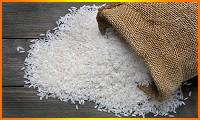
Singapore may get more rice from India.
India may allow exports of another 50,000 tonnes of non-basmati white rice to Singapore under humanitarian operations, making an exception for one of its key diplomatic partners, two government officials said.
India recently permitted limited exports of the rice variety, which is currently under the prohibited category, to the UAE and last month to Bhutan, Mauritius and Singapore. These countries appealed to New Delhi to resume rice exports following India’s decision to suspend non-basmati shipments on 20 July to keep prices in check.
In August, Singapore requested around 110,000 tonnes of non-basmati white rice, following which India allowed exports of 50,000 tonnes. The UN World Food Programme also sought 200,000 tonnes of Indian rice for its humanitarian operations amid what it called 'catastrophic levels' of global food insecurity, triggered by the pandemic and the Ukraine war. Bangladesh is also in talks with India for supplies of some agricultural commodities, including rice. 'The second tranche of rice may also be exported through the National Cooperative Exports Ltd,' one of the officials said.
India up to 17 August in the current financial year had exported 1.97 million tonnes of non-basmati white rice compared to 1.89 mt during the corresponding period last year. Total rice exports, barring broken rice, export of which is prohibited, were 7.33 mt compared to 6.37 mt in the same period.
In view of low pipeline stocks and high exports, rice prices were rising. However, in the coming year, Kharif rice production is expected to be bumper due to a 10.8% increase year-on-year in paddy area to 41.2 million hectares. This may improve domestic availability from October when rice harvesting starts. 'Therefore, the government had decided to keep this trade measure in place until September or the arrival of the next rice crop, whichever is earlier,' another official said. 'The government noted that any extension of such measure beyond this period would adversely impact the interests of farmers.'
However, agronomists see lower rice production despite higher paddy acreage. This is ascribed to yield loss due to the uneven distribution of rainfall in the four-month southwest monsoon season. This may ultimately push up prices beginning the next season.
'While southern and central states report no impact on yields, in Uttar Pradesh and Bihar, patchy rainfall in August is estimated to have led to poor tillering which may have a marginal impact on yields,' said Pushan Sharma, director - research, CRISIL Market Intelligence and Analytics.
'Considering the sowing and yield situation and market conditions, we expect paddy prices to remain elevated on-year,' said Sharma.UP, Bihar, West Bengal and Jharkhand -- key rice-producing states -- received deficient rainfall throughout the June-September monsoon season.
Source: livemint.com

Rice ban export is regulation rather than restriction for food security: India to WTO's agri committee meet.
India has said that the export ban on rice is a regulation rather than a restriction and is crucial for securing the food security of 1.4 billion people, according to an official. This was stated by India in response to concerns raised by a group of countries including the US during a meeting of the WTO's Committee on Agriculture in Geneva on September 27.
The Geneva-based official said that in the meeting, India reiterated its commitment to ensure food security in importing countries by granting exemptions to those in need upon their governments' requests.
The Indian government has already allowed exports of non-basmati rice to Bhutan (79,000 tonnes), UAE (75,000 tonnes), Mauritius (14,000 tonnes) and Singapore (50,000 tonnes) through the National Cooperative Exports Ltd (NCEL).
On July 20 this year, India banned exports of non-basmati white rice to boost domestic supply and keep retail prices under check during the upcoming festive season.
'The Government of India has the commitment that in case of food insecure, vulnerable countries and neighbouring countries request, it will provide with the required quantity of rice or wheat,' the government official said.
India has also argued that, in order to prevent private players from manipulating market conditions, advance notifications were not provided in the WTO.
Furthermore, these measures are temporary and are regularly reviewed to allow necessary adjustments based on domestic demand and supply situations.
A group of member countries of the World Trade Organisation (WTO) including the US has raised concerns about banning the export of non-basmati white rice by India, saying the decision may impact import-dependent nations, the Geneva-based trade official said.
The US has urged India to lift this export ban with immediate effect.
These countries have argued that such measures had a detrimental impact on nations which are heavily reliant on imports of these agri commodities, particularly during times of crisis, the official said.
The ongoing war between Russia and Ukraine, and this year's El Nino climate conditions are among the factors that have disrupted the foodgrain supply chain.
More than a dozen questions were raised by Japan, Australia, Brazil, Canada, the European Union, New Zealand, Switzerland, Thailand, the UK, and the US.
'They expressed concerns about the impact of India's export ban on the global food market, highlighting its significance as the world's largest rice exporter, accounting for over 40 per cent of global exports,' the official added.
Source: economictimes.indiatimes.com

Vibrant Gujarat Summit: PM Modi extols state s export prowess.
Gujarat ranks as India’s top exporter with a transactional value of $2 billion, Prime Minister Narendra Modi said on Wednesday while an addressing an event to mark 20th anniversary of the Vibrant Gujarat Global Summit in Ahmedabad. Modi emphasized that the summit transcends branding, symbolizing a deep-rooted connection between him and the 70 million residents of Gujarat.
He said in the coming years, defence manufacturing will be a very big sector, adding that effective policy-making and efficient project implementation led to growth in growth in investments and employment in textile and apparel industry in the state.
In the automobile sector, investments rose 9x in comparison to 2001 in the state, with a 12x jump in manufacturing output. There has been a 75% contribution in India’s dyes and intermediates manufacturing. The highest share in investment is in agro and food processing industry in the country with more than 30,000 operational food processing units.
Over 50 % share in medical devices manufacturing and about 80 % share in cardiac stents manufacturing is taking place. More than 70% of the world’s diamonds contributing to 80 % India’s diamond exports, and 90 percent share in the ceramic market of the country with about 10 thousand manufacturing units of ceramic tiles, sanitary ware and different ceramic products are in the state.
PM said that India has to become the third largest economy in the world. He asked the industrialists to focus on sectors which will help in giving new possibilities to India. He asked for a discussion to take place in the startup ecosystem, agri-tech, food processing and Shri Anna.
Talking about the growing need for institutions of financial cooperation, the Prime Minister commented on the increasing relevance of GiFT City. 'GIFT City reflects the whole government approach. Here the Centre, state and IFSC authorities work together to create the best regulatory environment in the world. We should intensify efforts to make it a globally competitive financial marketplace.
Source: livemint.com
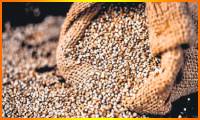
India's Big Push For Millets And A Growing Economy Around The Grain.
India’s millet exports are on a steady rise. The country exported millets worth $75.46 million in the year 2022-23 against $62.95 million in 2021-22. A global push for the grain was also witnessed at the recently concluded G20 meet. Millets are being seen in a new light across the world as an answer for food scarcity. The United Nations accepted India’s proposal to declare 2023 as the International Year of Millets (IYoM-2023) to increase awareness about the health and nutritional benefits of millets.
According to the International Crop Research Institute for the Semi-Arid Tropics (ICRISAT), more than 90 million people in Africa and Asia depend on millet in their diet. Millets are also staple food for millions of in drought-prone Africa.
Impact of government’s push to millet-based businesses
While talking to Republic about the impact Surendra Gandharva and Manoj Prajapat, Co-Founders of Millets of Mewar, the World’s first restaurant dedicated to traditional Millet recipes underlined millet's significance in our lives. Gandharva said, 'We initiated millet experimentation in 2005, opening the world's first millet restaurant, Millets of Mewar, in 2011. Millets are deeply rooted in our heritage, from Maharana Pratap to Mewar's legacy; they've always been a vital part of our diet.
'The government's emphasis on millets has taken them globally, promising significant industry growth. In this era of prioritising healthy eating, millets provide the answer we seek. Reverting to millets is a step towards restoring the damage we've inflicted on nature,' Prajapat added.
Gandharva also cited a local proverb ‘Jaso Ann Vaso Mann’ which translates to ‘we are what we eat’ to underline the significance of millet in our regular diet.
Aanchal Saxena and Himanshu Mishra, Co-Founders of Mad Over Millets, a Noida-based millet cookies startup, also talked to Republic, sharing their views on the Government’s push to millet on a global stage.
'The increase in millet exports from India is a positive development and reflects the growing global demand for these nutritious and versatile crops, to name a few Pearl Millets, Kudo, Foxtail millet, Barnyard millet and many more,' Aanchal Saxena said.
Himanshu Mishra said, 'From social media channels to inviting popular chefs to events such as the World Food India event highlighting Millets as a Hero product, the government is truly doing its best to create awareness and adoption of millets.'
'Startups like us (Mad Over Millets) - are also contributing towards the adoption and appreciation to our country’s produce by creating Healthy yet Tasty Millet Super Cookies. We are taking them to the people directly awareness events & artisanal markets. We have been able to build confidence in people that millets do taste well and can be easily incorporated in our daily lives,' added Mishra.
Production and types of millets in India
According to the Agricultural and Processed Food Products Export Development Authority (APEDA), in 2020, India played a significant role in global millet production, with Pearl Millet contributing to 40.51 per cent and Sorghum accounting for 8.09 per cent of the world's total millet production.
The leading millet-producing states in India include Rajasthan, Karnataka, Maharashtra, Uttar Pradesh, Haryana, Gujarat, Madhya Pradesh, Tamil Nadu, Andhra Pradesh, and Uttarakhand. These states collectively contributed approximately 98 per cent to India's millet production during the 2020-2021 period.
While on the international scale the United States (11 per cent), Nigeria (9 per cent), China (7 per cent), Ethiopia (7 per cent), Niger (6 per cent), Mexico (5 per cent), Mali (4 per cent), Sudan (4 per cent), and Brazil (3 per cent) are the other major producers of Millets.
The government of India notified millets as Nutri-Cereals in April 2018, which includes Sorghum (Jowar), Pearl millet (Bajra), Finger millet (Ragi/Mandua) and minor millets namely; Foxtail millet (Kangani/Kakun), Proso millet (Cheena), Kodo millet (Kodo), Barnyard millet (Sawa/Sanwa/ Jhangora), Little millet (Kutki) and two pseudo -millets, namely, Buckwheat (Kuttu) and Amaranthus (Chaulai).
Advantages of millets
High nutrition value
Millets are highly nutritious grains that are rich in essential nutrients such as protein, fibre, vitamins, and minerals. They are particularly high in iron, calcium, and magnesium. Millets can help address malnutrition and improve public health, especially in regions with high rates of micronutrient deficiencies.
According to Healthline, one cup of cooked millet packs 25 per cent of our daily phosphorus requirements, 19 per cent of magnesium requirements, 8 per cent of folate, and 6 per cent of iron requirements. Millets also have more essential amino acids when compared to other cereals. Apart from that, Finger millets have the highest calcium content than most other cereal grains.
Drought-resistant
Millets are also hardy, drought-resistant crops that require minimal water and can thrive in arid and semi-arid regions. According to the Observer Research Foundation, millets consume 70 per cent less water than rice and only grow half the time as wheat with 40 per cent less processing energy required.
This makes them suitable for cultivation in areas with water scarcity or irregular rainfall patterns promoting sustainable agriculture. Increasing the consumption of millet can also reduce our reliance on a few staple crops like rice and wheat. This diversification can enhance the resilience of agricultural systems and reduce the risk of crop failures due to pests, diseases, or adverse weather conditions.
Lower carbon and water footprint
Millets have a relatively low carbon and water footprint compared to some other crops. According to the State of the World Water Report 2019 from WaterAid India, the water requirements of millet are on average 2.5 times lower than that of rice.
Millet cultivation can provide livelihood opportunities for small and marginal farmers, especially in rainfed areas.
Embracing millet can bolster food security
Apart from the abovementioned advantages, Millets have been a traditional part of Indian diets for centuries and are an integral part of the cultural and culinary heritage of many regions. However, according to the Ministry of Agriculture and Farmer Welfare, till the 1965-70 timeframe, millets formed 20 per cent of our foodgrain basket but are now down to 6 per cent.
India dominates millet production with 41 per cent of the global share, however, the consumption of millet has been receding over the years.
Encouraging the cultivation of millets can diversify cropping patterns and reduce the pressure on land and water resources caused by the overemphasis on a few major crops like rice and wheat.
Millets can be an important component of food security strategies, as they provide an alternative source of food and nutrition during times of food scarcity or emergencies.
'It is essential for India to continue supporting and promoting millet production to meet both domestic and international demands while contributing to global food security and nutrition,' Saxena said.
Overall, the promotion of millets aligns with broader agricultural and nutritional goals, including sustainability, improved public health, and enhanced food security, making them an important focus for the Government of India's agricultural policies and programs.
Source: republicworld.com
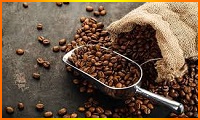
World Coffee Meet Boosts Recognition for Indian Coffee.
The World Coffee Conference (WCC) held in Bengaluru has played a pivotal role in elevating India's reputation as a producer of exceptional coffee and highlighting the booming coffee culture within the country.
Organized by the International Coffee Organisation and the Coffee Board, this four-day event concluded recently and provided a platform to showcase the sustainable cultivation practices of Indian coffee to a global audience.
KG Jagadeesha, the CEO and Secretary of the Coffee Board expressed his enthusiasm about the incredible response to WCC2023 from both global and domestic stakeholders. He believes that this event will empower Indian coffee growers to secure better prices for their produce in the future, attract investments, leverage technology, and foster innovation in the industry.
The conference drew more than 2,600 delegates, including 323 participants from 31 coffee-growing and consuming countries. The discussions at the event revolved around the theme of 'Sustainability through Circular Economy and Regenerative Agriculture,' addressing the various challenges faced by the coffee sector.
One remarkable feature of Indian coffee cultivation is the practice of growing coffee under the shade of other trees, in contrast to major producers like Brazil and Vietnam, which grow coffee in open fields.
This unique approach has led to Indian coffees commanding premium prices in the global market. According to Jagadeesha, Indian coffees now fetch premiums of 15-20% over terminal prices in London and New York, a significant improvement compared to the 10-15% discounts seen two decades ago.
While India has made strides in coffee cultivation, it still has room for growth in terms of adopting advanced processing technologies.
However, the coffee culture is rapidly spreading in northern parts of the country, with Mumbai emerging as a prominent coffee hub alongside Bengaluru.
Despite the growing cafe culture in India, a notable challenge faced by the sector is the shortage of trained baristas. To address this issue, the Coffee Board plans to train over 1,000 baristas across the country. They have also established a mobile team dedicated to skill-building efforts.
Additionally, the Coffee Board unveiled the India Coffee App, a tool designed to provide growers and exporters with access to the Board's services and offer valuable information, including weather updates and market prices.
Speaking at the growers' conclave, Amardeep Singh Bhatia, Additional Commerce Secretary, highlighted the increasing global demand for coffee over the past three decades, especially for specialty coffees. This rising demand presents a positive outlook for the coffee industry.
However, climate change poses a significant challenge to coffee production worldwide. Bhatia emphasized the need for producing countries to develop strategies to address issues like climate change, increased pest attacks, and residues in coffee production. He stressed the importance of accelerating research and development activities to combat these challenges effectively.
The Indian government is actively promoting coffee cultivation in non-traditional growing regions. Bhatia stated that the government aims to expand coffee cultivation by an additional two lakh hectares over the next decade in non-traditional growing states such as Andhra Pradesh, Odisha, Tamil Nadu, and the North-Eastern regions.
Thus, the four-day WCC2023 showcased the vibrancy of the coffee industry in India, attracting a diverse range of participants from coffee-producing and consuming nations, along with various stakeholders. It underscored India's emergence as a premium coffee producer and the need to address challenges posed by climate change and other factors in the industry's growth. The event also emphasized the importance of innovation, skill development, and technology adoption in the Indian coffee sector's continued success.
Source: krishijagran.com
US asks India to lift export ban on non-basmati rice.
The US has asked India, at the WTO, to lift its export ban on non-basmati rice with immediate effect as it created an 'unnecessary trade barrier'. India, on its part, argued that the new ban was a regulation rather than a restriction, which was crucial for the food security of 1.4 billion people.
'India pointed out at the WTO agriculture committee meeting on Wednesday that it granted exemptions from the export ban to those in need upon their governments’ request and was committed to ensuring food security in those countries,' a Geneva-based trade official told businessline.
India was confronted on its rice export policy by a group of WTO members, led by the US, that argued that the export ban had a detrimental impact on countries heavily reliant on imports, particularly during times of crisis, as it accounted for roughly 40 per cent of global exports. The other members questioning India included Japan, Australia, Brazil, Canada, the European Union, New Zealand, Switzerland, Thailand and the UK.
India placed a ban on export of non-basmati rice on July 20 this year to ensure domestic prices do not rise, especially during the festival season. The government banned the export of broken rice and wheat respectively in September and May, last year.
Citing information from its Department of Agriculture, the US stated that India was likely to have a record estimated rice production of 134 million tonnes and stocks of 36 million tonnes for the 2023-24 period.
'The US said that under the conditions of ample domestic supply, the new export ban created unnecessary trade barriers and hindered the flow of food to areas where it is most needed. It said that it would encourage India to lift the export ban with immediate effect,' the official said.
India stressed that its export ban on non-basmati rice was a regulation, and not a restriction, and it was very important to secure the food security of its 1.4 billion people. The measures are temporary and are regularly reviewed to allow necessary adjustments based on domestic demand and supply situations, it added.
On the issue of providing advance notifications for restrictions, India argued that it could not do so as it may lead to private players manipulating market conditions.
Source: thehindubusinessline.com

'India's edible oil imports likely to fall 6% in 2023-24'.
India's vegetable oil imports are likely to drop 6% in the new marketing year beginning November, due to higher carryover stocks of oilseeds from the current year, a leading industry figure said on Wednesday.
India, the world's biggest importer of vegetable oils, is likely to buy 15.6 million metric tons of cooking oils in the 2023-24 oil year, down from 16.6 million in the current year to Oct. 31, 2023, said Sandeep Bajoria, chief executive of Sunvin Group, a Mumbai-based vegetable oil brokerage and consultancy firm.
The country is likely to import 9.5 million metric tons of palm oil next year against 10 million in 2022-23, he told a global conference on vegetable oils in Mumbai.
Palm oil constitutes the bulk of India's vegetable imports.
Earlier this month, Reuters reported that Indian refiners imported more than 1 million metric tons of palm oil in August - the second consecutive month of higher purchases to build stocks for the festival season that kicks in next month.
India buys palm oil mainly from Indonesia, Malaysia and Thailand. It imports soybean and sunflower oil from Argentina, Brazil, Russia and Ukraine.
India is likely to buy 3.2 million metric tons of soyoil in 2023-22 against 3.5 million in 2022-23, Bajoria told the conference.
Purchases of sunflower oil are expected at 2.9 million metric tons in 2023-22, down from 3.1 million this year, he said.
Bajoria said carryover stocks of between 1.2 and 1.5 million metric tons of soybeans, and 1.2 to 1.4 million metric tons of rapeseed, would help reduce vegetable imports next year.
Imported stocks still stuck at ports would also boost local supplies, lowering next year's imports, he said.
Source: economictimes.indiatimes.com
India to ship rice to UAE, 4th country to get grain since export ban.
India has approved the export of 75000 tonnes of non-basmati rice to the United Arab Emirates (UAE), the fourth country to which shipments of the grain have been allowed since an export ban was imposed in July to curb domestic inflation.
A government notification on Monday said shipments for UAE will be handled by the National Cooperative Export Ltd, a state-backed enterprise set up in January following a cabinet decision.
India, the world’s largest exporter of rice, barred overseas sales in July to cool high cereal inflation, which continues to be in double digits. The government at the time said it would allow shipments to friendly countries for their food-security needs once such diplomatic requests were cleared by the external affairs ministry.
Since the ban, India has allowed the export of over 1.4 million tonnes of white rice following requests by Singapore, Bhutan and Mauritius.
'As a nation alive to global food-security concerns, India will continue to offer rice to friendly countries after evaluating them provided the exported quantities are used for domestic consumption and not used for trade,' a food ministry official said.
The prohibition on exports of the staple by India, which has a 40% share in global trade, sent prices rocketing in world markets, with the FAO rice price index rising to its highest level in 15 years at 40.31% year-on-year in August 2023.
Besides, India has also exported broken rice to countries in need since the ban. It has allowed broken-rice shipments of 500,000 tonnes to Senegal, 200,000 tonnes to Indonesia, 100,000 tonnes to Mali and 50,000 tonnes to Gambia.
India’s ban on export of non-basmati white rice in July came three days after Russia pulled out of the Black Sea grain deal, sparking fears of a global food shortage. In September last year, the government stopped the export of broken rice. That ban is still in place.
To curb shipments of parboiled rice, India has also imposed a 20% tariff. In May last year, the country banned wheat export, but the country is not a major exporter of wheat.
The reasons for curbs on food export are domestic. The government is battling elevated food inflation amid fears of rice shortage due to the monsoon-disrupting El Nino weather pattern. The country is heading into a festive season when food demand soars. The Modi government also faces a general election next year and state assembly polls in five states this year.
Source: hindustantimes.com

'India Is Bringing The Global South Together At Decision-Making Table', Says: Maneesh Gobin, Agriculture Minister, Mauritius.
Maneesh Gobin, Mauritius' Minister of Agro-Industry and Food Security says, 'In the 1990s India was a country with a closed economy. And look now where India has come. But India has not forgotten the other countries. This is not a country saying bye-bye... India is bringing the Global South together at the decision-making table. This is illustrated by the participation of a country like Mauritius at the table of the G20
Source: businesstoday.in