
First ever yak milk product, Arunachal Pradesh Yak Churpi, gets GI tag.
Churpi is prepared from the milk of Arunachali yak, which is a unique yak breed found in West Kameng and Tawang districts of Arunachal Pradesh. Yak Churpi, a naturally fermented milk product made from yak milk, has been given recognition as a Geographical Indication (GI) of Arunachal Pradesh.
Dr Mihir Sarkar, Director, ICAR- National Research Centre on Yak said it is a major boost to the pastoral production systems and yak rearing in the country.
Churpi is an excellent source of proteins and is frequently used as a substitute for vegetables by tribal yak herders in the vegetation-starved cold and hilly mountainous regions of the state. It is also mixed in vegetable or meat curry and is eaten with rice as a staple food in tribal households. It is considered an integral part of the tangible cultural and tribal heritage of Arunachal Pradesh- says Sarkar.
Arunachali yak breed is reared by tribal yak pastoralists known as Brokpas who migrate along with their yaks to higher reaches (at an altitude of 10,000 ft and higher) during summers and descent to mid-altitude mountainous regions during winters. Since the product is prepared at such a high altitude, it is also expected to provide benefits to the tribal herders against cold and hypoxia besides providing enriched nutrition, Dr Vijay Paul, Principal Scientist of NRC-Yak who was associated with the GI application process informed.
ICAR-National Research Centre on Yak, Dirang applied for registration of this unique yak product. The institute is closely working with the Brokpas rearing Arunachali yaks and is helping them through research and extension support. The services rendered by the institute assume greater significance in the light of the fact that yak population throughout the country has been declining at a fast pace due to enormous hardships and dwindling gains associated with pastoral yak rearing. The registration of yak Churpi of Arunachal Pradesh as a GI is going to serve the cause of yak conservation and yak pastoralists’ socio-economic upliftment.
Source: icar.org.in

WTO halves 2023 goods trade growth forecast to 0.8%.
The World Trade Organization (WTO) on Thursday more than halved its global goods trade forecast for 2023 to 0.8%, from 1.7% estimated in April, amid a global manufacturing slowdown.
The trade slowdown appears to be broad based, involving a large number of countries and a wide array of goods amid a continued slump that began in the fourth quarter of
2022, the multilateral trade body said in its Global Trade Outlook and Statistics Update: October 2023.
'The exact causes of the slowdown are not clear, but inflation, high interest rates, US dollar appreciation, and geopolitical tensions are all contributing elements,” the WTO said.
However, the 3.3% growth projected for 2024 remains nearly unchanged from the previous estimate of 3.2%.
WTO Director-General Ngozi Okonjo-Iweala said the expected slowdown of trade was a cause for concern because it could depress the living standards of people around the world, particularly in poor countries.
Iron and steel, office and telecoms equipment, textiles and clothing contributed to the slowdown while automative products were an exception where sales have risen.
Falling commodity prices and appreciation of the dollar have pushed world merchandise trade down 5% on-year in the first half of 2023, according to the report.
Risks, growth
The WTO said risks to its forecast were balanced. A sharper than expected slowdown in China and resurgent inflation in advanced economies would require keeping interest rates higher for a longer period.
'The data suggest that goods continue to be produced through complex supply chains, but that the extent of these chains may have reached their high-water mark,' the WTO said.
As per the report, Asia’s export growth is
expected to turn positive in the second half of the year while Europe’s is expected to flip into negative territory.
Import volume growth is expected to turn positive in Asia and North America in the second half of 2023 whereas Europe’s imports could remain weak.
The organisation’s forecast does not cover services, but it said that growth was moderating after a strong rebound in international tourism in 2022. Global commercial services trade rose 9% in the first quarter of 2023, down from 19% in the second quarter of 2022, the WTO said.
Source: economictimes.indiatimes.com

Commerce Secretary visits Brazil for 6th Meeting of the India Brazil Trade Monitoring Mechanism.
Secretary, Department of Commerce, Ministry of Commerce & Industry, Shri Sunil Barthwal paid an official visit to Brazil from October 1st to October 4th, 2023, for the 6th meeting of the India-Brazil Trade Monitoring Mechanism (TMM). He was accompanied by a delegation of 20 business leaders representing the Confederation of Indian Industry (CII). The visit was happening in the backdrop of the sharp growth in the bilateral trade which had doubled over the last two years reaching US$16 Billion. It was aimed at strengthening this rapidly growing commercial engagement between the two countries.
During his interactions with the Brazilian officials, the Commerce Secretary commended Brazil for their support during India’s G20 Presidency and conveyed India's commitment to support Brazil when it assumes its G20 Presidency.
The Indian delegation engaged in discussions, business meetings and explored new trade opportunities with key Brazilian organizations, including Confederation of Industries of Brazil, the Commercial Association of Sao Paulo, Federation of Industries of the State of Sao Paulo (FIESP) and industries in Rio de Janeiro demonstrating their strong commitment to boost bilateral trade and investment prospects.
On October 2nd, 2023, the delegation participated in various trade facilitation activities aimed at nurturing the growing trade relationship between India and Brazil. A productive meeting with the Commercial Association of São Paulo provided a platform to discuss potential trade collaborations. The day concluded with an interactive session with Indian companies operating in Brazil, fostering closer ties within the business community and identifying new opportunities for promoting trade.
A breakfast meeting was held on 3rd October, with Brazilian companies that have invested in India, highlighting the Indian government's commitment to support foreign investors. This meeting also included discussions on new trade and investment opportunities. Shri Barthwal interacted with representatives from leading MICE (Meetings, Incentives, Conferences, and Exhibitions) companies in Brazil and engaged with the Federation of Industries of the State of São Paulo (FIESP), a crucial industry chamber in the region.
On October 4th, 2023, the Commerce Secretary co-chaired the 6th meeting of the India-Brazil Trade Monitoring Mechanism (TMM) with Secretary of Foreign Trade for the Federative Republic of Brazil, Ms. Tatiana Lacerda Prazeres in Brasília. Both sides extensively discussed matters related to bilateral trade and outlined a roadmap for its further enhancement.
Shri Barthwal also held comprehensive discussions with the Vice Minister of Development, Industry, Trade, and Services, Brazil, H.E. Mr. Marcio Elias Rosa to advance the economic and commercial partnership between the two nations.
The visit concluded with an interaction with leading industries & members of the Confederation of National Industries of Brazil over the opportunities provided by India’s dynamic economic growth including on transfer of technology, investments etc. He also invited Brazilian industries to be part of the growing supply chain to India.
The deliberations and interactions during this visit signal a promising growth for India-Brazil trade relations. These engagements have set a positive tone for future dialogues, with a dedicated focus on exploring new trade opportunities and strengthening bilateral integration through Global Value Chains.
Source: pib.gov.in
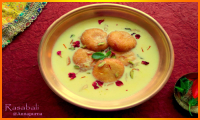
Odisha: Kendrapara s sweet dish Rasabali gets GI tag.
‘Rasabali’, a famous sweet dish of Odisha’s Kendrapara district, has received geographical indication (GI), giving a boost to sweet makers.
The Geographical Indications Registry, Chennai, under the ministry of commerce and industry on Tuesday accorded the GI tag to the sweet dish, which is popularly known as ‘Kendrapara Rasabali.’ ‘Kendrapara Rasabali Mistanna Nirmata Sangha’ and the rural infrastructure development and employment department had applied for GI tag for ‘Rasabali’ and submitted supporting documents to the registry.
Taking to X Chief Minister Naveen Patnaik said, 'It is a matter of pride for Odisha to get the GI tag for Kendrapara Rasabali. Rasabali has special importance in the food culture and tradition of Odisha.' ‘Kendrapara Rasabali’ owes its origin to the 262-year-old Sree Baladevjew temple here. The presiding deity of the shrine is offered Rasabali as ‘bhog’.
'The conferring of the tag is a shot in the arm for the sweet makers. It’s a much-needed recognition of the distinct identity to the product. We are delighted. The sweet will get better exposure now and will help those selling Rasabali here,' said Baishnab Panda, president of Kendrapara Rasabali Makers Association.
Kendrapara’s Rasabali is one of the most delicious sweets in the country, but because of poor promotion and export facilities, it was not getting marketed properly.
Kendrapara Rasabali Mistanna Nirmata Sangh had prepared a dossier in 2021 to lay claim for geographical identification (GI) tag for the sweet.
'We submitted it to the state government. The government sent it to the office of Geographical Indications Registry in Chennai,' said Basudev Das, a researcher of Kendrapara.
With the GI tag, Kendrapara Rasabali will acquire more prominence in the market and would fetch the makers better price, said Souri Sahoo, a Rasabali maker of Kendrapara.
This GI certification would also stop adulteration of Kendrapara Rasabali and thereby it will fetch much better prices, said Nandakishor Parida, a retired teacher.
Source: theprint.in

UK PM Rishi Sunak says hopes to get free trade deal with India done.
British Prime Minister Rishi Sunak has reiterated his commitment to closer India-UK ties across different sectors, including a free trade agreement (FTA) between the two countries.
Addressing a reception by the diaspora group Conservative Friends of India (CFIN) on the sidelines of the ongoing Conservative Party conference in Manchester on Monday evening, the British Indian leader began by reflecting upon his 'successful' first visit to India as Prime Minister for the India-led G20 Summit last month.
'I’ve just come back from my first trip to India as Prime Minister and that was very successful,' said Sunak.
'Everybody here already knows just how strong the relationship between our two countries is. At the G20, we really saw a glimpse of what the future of that relationship can be, with closer cooperation on absolutely everything from trade to defence, innovation, security, research, and I hope… a free trade deal, and we can get it done,' he said.
The 43-year-old politician, who is leading his first Conservative Party conference as leader of the governing party, went on to say that he hopes to build on the success of his first India visit to work together as two 'great democracies, shaping the future of the world for the long term'.
'We’re working together as partners to build a better future for all our citizens,' he added.
His visit to New Delhi for the G20 Leaders’ Summit in early September had also concluded with a commitment to an India-UK FTA, even as Sunak told reporters that he 'won’t rush things'.
Later in the month, amid a diplomatic standoff between two of its close allies – India and Canada – over the contentious issue of pro-Khalistan extremism, Sunak’s spokesperson at 10 Downing Street had reiterated that trade talks with New Delhi remain on track.
'Work on the trade negotiations will continue as before… when we have concerns with countries we’re negotiating trade deals with, we’ll raise them directly,' the spokesperson told reporters.
According to official UK Department for Business and Trade (DBT) figures, UK-India bilateral trade was worth an estimated 36 billion pounds in 2022.
'We have never set a deadline. I think this is very optimistic briefing for newspapers. We are very close. It is possible, but I wouldn’t be setting that sort of deadline. We will finish when we finish,' UK Business and Trade Secretary Kemi Badenoch told a UK parliamentary panel recently when asked about the prospect of a return visit by Sunak over the cricket World Cup in India to sign off on an FTA.
Earlier, Badenoch had reviewed progress on the trade talks with her Indian counterpart, Commerce and Industry Minister Piyush Goyal, during a visit to India in August coinciding with Round 12 of the FTA negotiations.
Source: theprint.in

RuPay Domestic Card Scheme Agreement between India and the UAE.
NPCI International Payments Limited (NIPL), a wholly-owned subsidiary of the National Payments Corporation of India (NPCI), has entered into a strategic partnership agreement with Al Etihad Payments (AEP) for Domestic Card Scheme (DCS) Implementation in UAE. AEP is an indirect subsidiary of the Central Bank of UAE (CBUAE). As per the agreement, NIPL and AEP will work together to build, implement, and operationalize UAE's national domestic card scheme. The DCS will aim to facilitate the growth of e-commerce and digital transactions in the UAE, bolster financial inclusion, support the UAE's digitization agenda, increase alternate payment options, reduce the cost of payments, and enhance the UAE's competitiveness and position as a global payments leader. The partnership aligns perfectly with NIPL's mission to offer its knowledge and expertise to assist other countries in establishing their own cost-efficient, and secure payment systems.
The DCS solution is based on the principles of sovereignty, speed to market, innovation, digitization, and strategic independence. The DCS solution provided by NIPL consists of a RuPay stack and value-added services like fraud monitoring services and analytics. NIPL will also assist AEP in formulating the operating regulations for their domestic card scheme.
RuPay is an indigenous, highly secure, and widely accepted card payment network in India. RuPay cards have debit, credit, and prepaid propositions. More than 750 Million RuPay cards are in circulation as of date. RuPay cards make up more than 60% of total cards issued in India, with every second Indian having a RuPay card now. These cards are issued through the entire banking spectrum, including public sector, private, and small banks.
India's world-renowned Digital Public Infrastructure (DPI) is driving massive transformation in the payment space. DPI framework includes digital identity, digital payments, and digital data exchange layers - a combination of these three is the force behind the fintech revolution in India. Simply speaking, in India, nearly every adult has access to banking services, a way to remotely authenticate themselves (through Aadhar), and access to the internet through efficient and affordable mobile connectivity.
A combination of these factors makes India the third largest fintech ecosystem in the world, with rapidly surfacing unicorns. India has witnessed an exponential growth of 367% in customers participating in digital transactions in the last five years, with an active customer base of more than 340 million.
Source: pib.gov.in
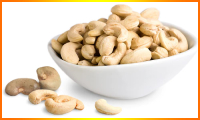
Goan cashew with unique taste & identity gets GI tag.
The Goa cashew (kernel) has successfully secured the Geographical Indication (GI) tag. The window for any opposition to the GI tag designation closed on October 1, with no opposition filed. Consequently, the GI registry now considers it officially registered. The GI registry is expected to update the status to 'registered' within the next two to three days.
'Goan cashew has a long and cherished heritage and this GI status helps to preserve our legacy,' said chief minister Pramod Sawant. He said that this recognition will offer 'a great opportunity for every stakeholder in the cashew industry in Goa' and is a milestone towards the Swayampurna Goa mission.
One significant impact of the GI tag is that it will enable buyers to distinguish between authentic Goan cashews and those sourced from other regions.
GI will ensure local cashew farmers receive recognition’
Manufacturers have, at times, imported African cashews to meet the high demand in Goa. With the GI tag, consumers can now be certain of the origin of the cashews they purchase. Rohit Zantye, president, Goa Cashew Manufacturers Association, said that the GI will ensure local cashew farmers receive 'recognition and safeguarding' for their hard work besides 'bolstering the Goan cashew industry, ensuring its continued growth and prosperity'.
'The overall climatological impact of Goa and traditional farming practices followed by Goans gives the Goan cashew its unique identity and taste,' said Deepak Parab, nodal officer, patent facilitation centre at the State Council for Science and Technology. Parab also explained that any Goan processor acquiring cashews from local farmers will need to apply to the GI registry for the use of the GI l ogo, indicating the origin of the product. A stakeholders’ meeting is planned to discuss this process. Several products that are unique to Goa — bebinca, malcorada mango, seven-ridge okra, Agasaim brinjal, Harmal chili, Khola chili, etc — have been published in the journal owing to the efforts of the State Council for Science and Technology. In addition to this, Goa University has facilitated documentation on the earthen instrument, ghumot. The State Council for Science and Technology has submitted this as well for GI status.
Source: timesofindia.indiatimes.com
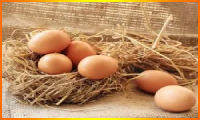
South African retailer SPAR exploring egg imports as bird flu hits supplies.
Grocery retailer SPAR Group (SPPJ.J) is exploring potentially importing eggs from several southern African countries as South Africa's worst outbreak of avian flu hits egg supplies and threatens the supply of chicken meat.
South Africa is currently grappling with an outbreak of a high-pathogenic avian influenza (HPAI), a bird flu which spreads rapidly in an infected flock causing a high death rate.
Producers have warned of chicken meat shortages in the coming weeks after millions of chickens were killed by the outbreak.
Meanwhile grocery retailers Woolworths (WHLJ.J) and Pick n Pay (PIKJ.J) are limiting the amount of eggs shoppers can buy due to limited stock availability.
SPAR is working closely with its approved private label suppliers and partners to secure stock and also 'actively collaborating with bigger suppliers and exploring new opportunities to ensure a consistent egg supply and further reduce risk,' Jacques Roets, divisional commodities manager for the SPAR Group said.
'This diversification strategy includes discussions with several southern African countries to potentially import eggs,' Roets added.
Last week, RCL Foods (RCLJ.J) said its poultry unit Rainbow culled 410,000 chickens, while its peers, including the country's largest integrated poultry processor Astral Foods (ARLJ.J) and Quantum Foods (QFHJ.J), said the outbreak was ravaging a sector already burdened by South Africa's electricity crisis and rising costs.
Source: reuters.com
South Africa bird flu outbreaks see 7.5 million chickens culled, causing poultry and egg shortages.
South Africa has culled about 7.5 million chickens in an effort to contain dozens of outbreaks of two separate strains of avian influenza that threaten to create a shortage of eggs and poultry for consumers, the government and national poultry association said Tuesday. At least 205,000 chickens have died from bird flu in at least 60 separate outbreaks across the country, with more than half of those outbreaks in Gauteng province, which includes the country's biggest city, Johannesburg, and the capital, Pretoria.
Some grocery stores in Johannesburg were limiting the number of eggs customers were allowed to buy this week — in some cases to one carton of six eggs — and the government acknowledged there were 'supply constraints.'
The government announced approximately 2.5 million chickens bred for their meat had been culled. The South African Poultry Association said another 5 million egg-laying chickens had been culled. The 7.5 million birds represented about 20-30% of South Africa's total chicken stock, South African Poultry Association general manager Izaak Breitenbach said.
The government was moving to fast-track new import permits for companies to bring in eggs from other countries 'to ensure sufficient supplies for consumers,' Agriculture Minister Thoko Didiza said. Her ministry is also considering embarking on a vaccination program to halt the bird flu outbreaks and said the number of farms with cases was increasing.
Neighboring Namibia has banned chicken meat and egg imports from South Africa.
The outbreaks are hitting an industry already struggling due to an electricity crisis. Breitenbach said South Africa has had three major bird flu outbreaks in recent years, and the latest ones were 'by far the worst,' already costing the industry losses of at least $25 million.
Vaccines would need to be imported and hopefully be ready to use in two to six months, he said.
Wilhelm Mare, chairman of the poultry group in the South African Veterinary Association, said as many as 8.5 million egg-laying chickens could be affected and more than 10 million birds overall.
'It tells me we're going to have problems with this situation for quite a while,' Mare said, calling it 'catastrophic' for the industry.
The United States' Centers for Disease Control and Prevention said last month that bird flu outbreaks were on the rise globally, with more than 21,000 outbreaks across the world between 2013 and 2022, but the CDC notes on its website only one human infection during 2022, and assesses the general risk to public health from the disease as 'low.'
The U.S. grappled with similar circumstances to South Africa in 2022, with bird flu contributing to soaring egg prices nationwide.
Eggs are an important and affordable source of protein in South Africa, but prices have risen steadily this year and the shortages caused by bird flu were expected to push prices up again and add to high food inflation for South Africans.
The chicken industry in South Africa has already been hit hard this year by power shortages, which have resulted in planned regular electricity blackouts to save energy, but badly impacting businesses.
South African farmers said in January they had been forced to cull nearly 10 million young chicks, as Africa's most advanced economy experienced record blackouts at the start of the year, causing production to slow dramatically and leading to overcrowding on chicken farms.
The poultry industry has also lobbied the South African government to impose permanent duties on countries like Brazil, Denmark, Poland, Spain, and the United States for what the industry refers to as the 'dumping' of cheap chicken products in South Africa, threatening local businesses.
Source: cbsnews.com

Charting a Path to Enhanced Trade: India and Peru s Upcoming FTA Negotiations.
Ahead of the resumption of negotiations for a groundbreaking Free Trade Agreement (FTA), officials of India and Peru are set to meet virtually on October 10, to talk about the agreement.
The negotiations of the FTA which is expected to strengthen bilateral trade and investment ties between the two nations is scheduled to take place in the first week of December.
During her visit to India in August the Vice Minister of Foreign Trade, Teresa Mera Gomez, had met with her counterpart and the two sides agreed to resume negotiations.
Background
During an interview with Financial Express Online on the sidelines of India-LAC Conclave in August, Peru’s Vice Minister of Trade, Teresa Mera Gomez, expressed optimism about the upcoming sixth round of negotiations, building on the progress made during the fifth round in Lima before the pandemic. The FTA seeks to enhance the economies of both nations without creating competition.
Recent developments at the India-LAC Conclave in New Delhi have paved the way for the FTA revival. India’s Commerce Secretary, Sunil Barthwal, has also earlier confirmed the continuation of FTA talks, highlighting the identification of key collaboration areas. Both countries are keen to expand trade, especially in agricultural products and essential minerals like gold, zinc, and recently discovered lithium.
The comprehensive FTA covers a wide range of aspects, including access to markets, trade in services, movement of professionals, and investment facilitation. Peru is India’s third-largest export destination in the Latin America and Caribbean region, making this pact strategically important. Key negotiation topics include trade remedies, rules for product origins, technical barriers, dispute resolution, and customs procedures.
The groundwork for this agreement was laid in 2017 during official visits by Indian government representatives to Peru. With a diplomatic relationship spanning six decades, Peru is positioned as a gateway to the larger LAC region, providing Indian investors with opportunities for growth.
Peru’s status as a leading global producer of minerals such as gold, silver, copper, tin, zinc, and lead has strengthened trade ties. Over the years, India has seen increased mineral imports from Peru, solidifying economic connections.
Trade extends to agricultural products, including Red Globe table grapes, blueberries, avocados, and quinoa. Peru’s mangoes are also poised to enter the Indian market, further enhancing trade relations.
A significant development is the Chancay Port Terminal, a multifaceted hub for various cargo types and a Special Economic Zone (ZEE). With a $3 billion investment, the port promises technological, industrial, and logistical advancements, aligning with Peru’s growth goals.
Despite fluctuations, bilateral trade between India and Peru demonstrates resilience. In 2022-23, the trade value stood at $3.11 billion, with India exporting motor vehicles, iron and steel products, and cars, while Peru imports bulk minerals, gold, crude oil, and fertilizers.
Peru is actively seeking investments in sectors such as hospitality, entertainment, healthcare, and more.
Source: financialexpress.com