The Rise of Indian Food Exports: Piyush Goyal s Strategic Approach 2023.
The government and exporters have the same vision for advancing trade and investment.
To increase India’s share in global trade, the Commerce and industry ministry presented its proposal to export organizations on Monday to promote investment and marketing jointly.
The director general and CEO of the company is Ajay Sahai. the Federation of Indian Export Organisations, announced that the department for promoting industry and internal trade would hold roadshows in 12 nations to draw investments and also engage with domestic stakeholders in tier Ii and tier III to build an ecosystem for export.
To boost India’s export potential, the government, under the leadership of Minister of Commerce and Industry Piyush Goyal, has emphasized a focused approach towards two key sectors: food and electronics. Recognizing its immense growth potential, Goyal aims to tap into the global demand for these products, enabling India to become a significant player in the international market.
India, with its diverse agricultural resources and rich culinary heritage, possesses a vast array of food products that can cater to global markets. Piyush Goyal believes that by harnessing this potential, India can become a major food exporter. The government focuses on enhancing agricultural product quality standards and packaging, ensuring compliance with international regulations. Additionally, Goyal aims to strengthen the supply chain infrastructure, reducing wastage and improving the shelf life of perishable goods.
To achieve these goals, the government has initiated various measures. These include promoting organic farming, investing in research and development for crop improvement, and establishing food processing units across the country. Particular emphasis is placed on fostering value-added products, such as processed fruits and vegetables, spices, and dairy products. Furthermore, the government is actively removing trade barriers, negotiating favourable trade agreements, and creating awareness about Indian food products through international trade fairs and exhibitions.
Another sector that Piyush Goyal is keen on boosting is electronics. As technology continues to rapidly advance, its prevalence in our lives is also increasing.global demand for electronic goods, India has an opportunity to become a manufacturing hub for electronics and strengthen its position as an exporter. The government’s vision is to reduce imports and enhance domestic production, making India self-reliant in the electronics industry.
To achieve this, the government has launched initiatives like the Production Linked Incentive (PLI) scheme, which provides financial incentives to manufacturers for increasing domestic value addition in electronics manufacturing. This scheme has attracted significant investments from domestic and international players, leading to the establishment of manufacturing facilities nationwide. Additionally, the government has focused on creating an ecosystem conducive to research and development, innovation, and skill development in the electronics sector.
While the government’s efforts to promote food and electronics exports are commendable, some challenges must be addressed. Issues such as inadequate storage and transportation infrastructure, fragmented supply chains, and lack of awareness about global market trends pose obstacles to seamless exports in the food sector. These challenges necessitate concerted efforts from government and private sector stakeholders to develop a robust ecosystem supporting food exports.
Similarly, in the electronics sector, despite the progress made through the PLI scheme, India still needs to catch up to competitors from countries like China, Vietnam, and Taiwan. To overcome this, the government needs to create an enabling environment by addressing infrastructure gaps, ensuring a skilled workforce, and offering attractive incentives to attract investment.
Increasing investments, he claimed, will benefit in fostering commerce by integrating with global value chains. The diaspora will be contacted for investment during the roadshows as well. In a meeting presided over by Minister Piyush Goyal, the Commerce and industry ministry also requested that exporters concentrate on high-potential industries like food, electronics, and engineering for a push on exports shortly.
The US, UK, Brazil, Germany, Saudi Arabia, Sweden, Taiwan, Korea, Japan, and Russia are the primary international markets where exports might be further encouraged.
The ministry advised exporters to concentrate on taking part in the largest trade shows and exhibits worldwide to boost exports.
The summit occurred during four months of declining merchandise exports for the nation.
According to Sahai, the drop in exports is common in India. According to port data, he claimed the number of shipments from India had remained the same. 'The decline in commodity prices is the cause of the decline in exports in value terms,” Sahai continued.
According to data from the ministry, exports fell for the fourth consecutive month in May by 10.3% on-year to $34.98 billion, while the trade deficit increased to a five-month high of $22.12 billion.
In all, exports fell by 11.41 per cent to $69.72 billion in April and May of the current fiscal year, while imports fell by 10.24 per cent to $107 billion.
The country’s exports are impacted by the slowdown in demand in essential markets, increasing inflation in developed countries, and the war in Russia and Ukraine.
Sunil Barthwal, the secretary of commerce, had previously stated that both ministry divisions were collaborating on a trading plan involving Invest India and Indian missions overseas to encourage the resurgence of exports.
He stated, 'We have identified 40 nations that comprise 85% of our exports and are concentrating our efforts on growing our exports until signs of an economic rebound in their home economies become apparent.
Along with officials from the Federation of Indian Export Organisations (FIEO) and business groups, representatives from several export promotion councils from industries like clothing and medical devices attended the conference on Monday.
Piyush Goyal’s vision to focus on food and electronics for India’s export push holds immense potential to boost trade and economic growth. By capitalizing on India’s strengths in agriculture and harnessing the opportunities offered by the electronics industry, the government aims to enhance India’s global competitiveness. However, addressing the challenges and implementing robust strategies will be crucial to realizing this vision. With sustained efforts and collaboration between the government, industry, and other stakeholders, India can position itself as a leading exporter of food and electronics, contributing to the nation’s overall development.
Source: inventiva.co.in

Iran s inclusion, boosting trade ties in agenda as India hosts SCO Summit.
New initiatives to bolster economic connectivity and trade and the inclusion of Iran as a new member state are expected to be among the outcomes of the virtual Shanghai Cooperation Organisation (SCO) Summit being hosted by India on Tuesday.
Chinese President Xi Jinping, Russian President Vladimir Putin and Pakistan Prime Minister Shehbaz Sharif will be among the leaders hosted by Prime Minister Narendra Modi for the summit, which was originally expected to be held in-person.
India is chairing the SCO for the first time since it became a full member of the grouping, along with Pakistan, in 2017.
This will be the first multilateral meeting joined by Putin since a brief rebellion by the Wagner mercenary group on June 24. Besides Iran joining as a full member of the SCO during Tuesday’s summit, Belarus is set to sign a memorandum of obligations to become a member state, with the process expected to be completed in 2024.
The summit is set to begin with the prime minister’s remarks at 12:30pm and this will be followed by statements by other leaders and deliberations. The meeting is set to conclude by 2:45pm.
Regional security, especially the situation in Afghanistan and ways to counter radicalism and extremism, and the Ukraine crisis and its fallout on the Global South are expected to figure in deliberations at the summit, people familiar with the matter said.
Besides the SCO Summit declaration or the New Delhi Declaration, the Indian side has proposed four thematic joint statements – on cooperation in deradicalisation strategies, digital transformation, sustainable lifestyles to address climate change and promotion of millets – for adoption during the summit.
While India has signed on for the SCO’s initiatives to enhance economic connectivity and trade, it has kept away from any measures that endorse China’s Belt and Road Initiative (BRI). The people said this stance will continue at Tuesday’s summit.
Initial reports had suggested the summit would be held in-person, though the leaders of China and Pakistan did not provide formal confirmation about their attendance till last month, affecting the planning for the meeting. The Indian side has not formally offered any reason for holding the summit virtually.
The summit is being held against the backdrop of India’s strained relations with both China and Pakistan.
A military standoff between India and China on the Line of Actual Control (LAC) for the past three years has taken bilateral relations to their lowest point in the last six decades, while ties between New Delhi and Islamabad have hit rock bottom over the issue of terrorism.
The summit is expected to discuss the regional security situation, the Ukraine crisis and bolstering cooperation between SCO states, especially ways to strengthen economic connectivity, the people said. In this context, India has taken a number of steps to enhance connectivity and trade with Central Asian states in recent years.
The theme for India’s presidency of SCO is 'SECURE' or security, economic development, connectivity, unity, respect for sovereignty and territorial integrity, and environmental protection.
India also created five pillars and focus areas of cooperation under SCO – start-ups and innovation, digital inclusion, empowering youth, traditional medicine, and shared Buddhist heritage. New initiatives in these sectors are expected to figure in the joint declaration and other documents to be issued at the conclusion of the summit, the people said.
The SCO, created in 2001, currently comprises India, China, Russia, Pakistan, Kazakhstan, Kyrgyzstan, Tajikistan and Uzbekistan. India’s association with the grouping began as an observer in 2005.
Source: hindustantimes.com
Roadmap for 2030 will benefit UK and India: UK trade minister Nigel Huddleston.
UK trade minister Nigel Huddleston on Tuesday said the 2030 roadmap with India will bring immense benefits for both countries. Speaking at an event here, the minister said it will deepen cooperation and bring both the countries even closer.
'The 2030 roadmap agreed by our Prime Ministers in May 2021 is a practical plan to transform the relationship between United Kingdom and India. It will bring immense benefits for both the countries. We have committed to doubling trade between the two great nations,' Huddleston said.
He said both UK and India have global interests and global reach. 'We are science and technology superpowers. We worked together on the Covid vaccine which saved hundreds of lives in several countries,' Huddleston said.
In 2022, the volume of bilateral trade between India and the UK stood at GBP 36 billion, supporting half a million jobs in both the countries.
The minister said of the great global challenges, none is more urgent than climate change. 'We are proud to work with India and support initiatives such as the International Solar Alliance and the coalition for disaster-resilient infrastructure,' the minister said.
He also announced deepening of cooperation between the UK and West Bengal in electric mobility and sustainable construction sectors.
He said to address the barriers for faster adoption of electric vehicles, UK had worked with the West Bengal government to bridge the skill gaps in the ecosystem in the EV space.
'Together (UK and West Bengal) we will make the transition to zero emission vehicles faster, more affordable and accessible to all,' he added.
Meanwhile, both the UK and India are negotiating a free-trade agreement which has completed the tenth round of talks.
Huddleston, who arrived here on Monday on a two-day visit to the metropolis, also met former West Bengal finance minister Amit Mitra.
'A pleasure to speak with @DrAmitMitra to reaffirm the UK's commitment to bolstering economic growth in this vibrant state. Also committed participation in the Bengal Global Business Summit, to which we brought the largest international delegation last year,' he tweeted.
The UK minister also met Sanjiv Goenka, the chairman and MD of the RPG Sanjiv Goenka Group, and discussed business ties and opportunities.
'Really productive meeting with Sanjiv Goenka - Chairman and MD of @rpsggroup. We discussed UK-India trade and how a UK-India FTA could help address obstacles to trade, reduce tariffs, and open doors for businesses - creating jobs and opportunities for economic growth,' the minister tweeted.
India is its 12th largest trading partner accounting for 2.1 per cent of its total trade.
The Department for Business and Trade (DBT) said Huddleston is on a three-day visit to South Asia, which covers Kolkata and Dhaka in Bangladesh, focused on unlocking more opportunities for British companies to grow trade and two-way business flows.
Source: economictimes.indiatimes.com
Global effort to nurture inclusive, supportive and sustainable startup ecosystems in all parts of world to address global challenges: Sh. Piyush Goyal.
Union Minister for Commerce and Industry, Consumer Affairs, Food & Public Distribution and Textiles, Shri Piyush Goyal has said that India's remarkable economic scale and market potential have played a pivotal role in enabling startups to flourish and thrive in the global startup ecosystem. While addressing the ‘Startup20 Shikhar’ at Gurugram, Haryana today, Shri Goyal said that there must be a global effort to nurture inclusive, supportive and sustainable startup ecosystems in all parts of the world to address global challenges.
Shri Goyal said that it is not just the role of individual nations but the collective responsibility of all nations to support innovation and the startup ecosystem. Highlighting the importance of the discussions on startups in the G20, the Minister said that the focus has to be on facilitating exchange of ideas, best practices and funding mechanisms and promoting collaborations in Research and Development.
The Minister lauded the Startup20 Engagement Group and said that this engagement of diverse experiences and knowledge is aimed to foster collaboration and bridge gaps between countries. Shri Goyal expressed hope that participants, both local and international, will leave with valuable memories, learnings, and connections to further nurture their own startup journeys and contribute to the growth of the entrepreneurial community in their respective nations. The Minister said that India is delighted to engage with its partner countries through Startup20 and remains committed to sharing experiences and working together to encourage the new generation of job creators who are reshaping the future.
Shri Piyush Goyal pointed out that India is in a unique position with huge talent and skill of its demographic dividend that is attractive for the startups. He said that India has a unique startup culture and large market potential, which are truly beneficial for startups.
The Minister further said that India, a relatively new entrant in the startup ecosystem has already become the world's third-largest startup ecosystem. Shri Goyal added that the country's aspirations extend beyond this achievement, with a focus on fostering entrepreneurship among not only the youth but also individuals from diverse age groups. He said that over the last seven years, India's 100,000 registered startups, including more than 100 unicorns, have made significant contributions to various sectors such as health, finance and agriculture and generated employment opportunities and given a spur to innovation.
Shri Goyal highlighted that Gurugram, known as an economic powerhouse in the state of Haryana, showcases the dynamic landscape of India's startup ecosystem with over 100 Fortune 500 companies, leading tech firms, and numerous startups.
Source: pib.gov.in
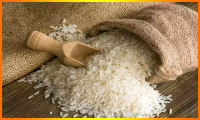
India Expected To Ship 290,000 Tonnes Of Broken Rice To Mali.
India is expected to send 290,000 tonnes of fully broken white rice to Mali, a country in West Africa, through government-to-government (G2G) channels. This decision follows India's recent authorisation in May to allow the export of fully broken white rice, which had been banned since September of the previous year, to other nations in order to fulfil their food security requirements.
A senior government official stated that the Ministry of External Affairs (MEA) had received a request from the Minister of Industry and Commerce to export 290,000 tonnes of fully broken rice. The shipment will be divided into two separate batches of 240,000 tonnes and 50,000 tonnes, pending examination and policy announcement by the Directorate-General of Foreign Trade (DGFT).
This development comes in response to the demand from African countries, which rely on India for their supply of fully broken white rice, in addition to parboiled rice. In April, the Indian government permitted the export of 500,000 tonnes of broken rice to Senegal and 50,000 tonnes to Gambia. It also authorised the export of 200,000 tonnes of this rice variety to Indonesia.
African nations depend on India for rice imports due to the more affordable prices compared to offerings from Vietnam, Thailand, or Pakistan. Thailand is currently selling 100 per cent broken rice for USD 523 per tonne, while India offers the same variety at USD 425 per tonne, which serves as the benchmark price in the global market. The Indian price includes a 20 per cent export duty. For 5 per cent broken rice, India offers it at USD 468-USD 472 per tonne, while Pakistan, Vietnam, and Thailand offer it at USD 488-492, USD 508-512, and USD 518 per tonne, respectively. The three countries are selling 25 per cent broken rice within the range of USD 458-498, whereas India quotes this variety at USD 448-452 per tonne, according to spot trade sources. These prices are free-on-board (FOB).
Due to the export ban on fully broken rice, Indian exporters have been unable to sell it in the international market. However, on 24 May, the Indian government allowed the export of broken rice following requests from foreign ministries seeking to meet their food security needs, despite the general ban on broken rice exports. This step was taken in response to the increasing requests received by the Indian government.
Since the ban on fully broken rice exports was imposed in September 2022, African nations, which rely on India to meet 70 per cent of their rice consumption, have turned to non-basmati rice. In the first two months of the current fiscal year, African countries' imports of non-basmati rice have increased by 35 per cent compared to the same period last year, reaching nearly 2.1 million tonnes, as reported by Vinod Kaul, Executive Director of the All India Rice Exporters' Association.
From April to May of FY24, India's basmati rice exports increased by 21 per cent compared to the previous year, reaching 830,858 tonnes. Non-basmati rice exports also saw a year-on-year increase of 6.1 per cent to reach 2.8 million tonnes.
In FY23, India exported a total of 17.79 million tonnes of non-basmati rice, while broken rice exports were 23 per cent lower at 3 million tonnes due to the ban imposed to stabilise domestic prices.
Source: businessworld.in

FCI Tenders 4.07 LT Wheat, 3.86 LT Rice for Sale.
The Food Corporation of India will be auctioning off around 8 lakh tonnes of food grains on Wednesday 5th July. This is part of a plan by the government to keep wheat and rice prices in check in the country.
In the last 3 days, the government has sent out tenders for 4.07 lakh tonnes of wheat and around 3.86 lakh tonnes of rice under the open market sale scheme (OMCS). In a departure from its previous policy, the government has decided to hold e-auctions on a weekly basis instead of alternate weeks, and it will cover both wheat and rice in the same week. With the exception of three states where minor adjustments were made, all other states have been allocated the same quantities as in the first round of tender.
Meanwhile, in the first round of the rice e-auction, Punjab has been allocated 1.5 lt, which accounts for 39% of the total quantity available for sale. An official source stated that Punjab's higher allocation is due to its excess stock. However, traders have expressed concerns about the allocation, stating that many consuming states have not received an adequate quantity while Punjab, which primarily consumes wheat, has received a significant allotment.
Notably, there will be no rice auction in Madhya Pradesh, Haryana, Assam, Chhattisgarh, and Telangana. Officials have clarified that these states were excluded due to the ongoing procurement of rabi-grown paddy, which presents a possibility of recycling. However, millers have argued that the reserve price set at Rs3,100/quintal leaves no room for recycling.
During the first e-auction, Bihar was allocated 30,000 tonnes of rice, while Uttar Pradesh received 15,000 tonnes, West Bengal obtained 2,300 tonnes, Odisha secured 10,000 tonnes, Jharkhand was allotted 17,000 tonnes, Andhra Pradesh acquired 7,000 tonnes, Karnataka received 33,000 tonnes, and Kerala was assigned 10,000 tonnes.
The conditions for bidders remain the same for the rice auction as well. Bidders must possess an FSSAI license and are prohibited from reselling the rice to bulk buyers, similar to the conditions in the wheat auction.
Additionally, the maximum cap of 100 tonnes per entity and the requirement of having a GST number in a particular state to participate in that state's auction have been retained in the guidelines for the rice auction.
Source: krishijagran.com
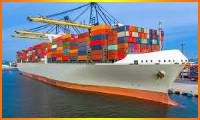
Bangladesh: 60 tonnes of green chilli imported through Bhomra port.
The trade activities between India and Bangladesh resumed through Bhomra land port in Satkhira on Sunday, with the arrival of 60 tonnes of green chilli, after a five-day vacation on the occasion of Eid-ul-Azha, reports UNB.
Six trucks, loaded with 10 tonnes of green chilli each, entered the land port, said general secretary of Bhomra C&F Agent Association ASK Maksud Khan.
The price of green chilli may decrease in the local market with the import, he hoped.
However, a number of trucks carrying green chilli from India are on the way to Bangladesh and these will reach the land port by this (Sunday) evening, he said.
Around 93 tonnes of green chilli arrived in Bangladesh in one week following the government’s permission of importing 36,830 tonnes to curb steep price hike of the essential kitchen item, reports BSS.
'After giving permission, 93 tonnes of imported green chilli have already come into the country. More chillis will arrive in the country tonight (Sunday night),' said a press release of the agricultural ministry issued on Sunday.
Moreover, over 138,000 tonnes of onion have already come into the country against the government’s permission to import 918,000 tonnes.
Abdur Rahim, general secretary of Satkhira Kitchen Market Traders Association, said green chilli is being sold at Tk 400-450 per kg at the wholesale market while it is being sold at Tk 600 at the retail market, a UNB report said.
'Already the price of green chilli has started to come down and it will be sold at Tk 50-60 per kg within two days,' he said.
In the wake of the surging price of green chilli in the local market, the Ministry of Agriculture allowed the import of green chilli.
The ministry permitted 30 importing firms to import a total of 11,600 metric tonnes of green chilli, said a release on June 25.
The price of green chilli has significantly risen in the local market recently.
Source: thefinancialexpress.com.bd

UAE-India Economic Summit in Abu Dhabi sets stage for stronger trade & economic relations.
The UAE-India Economic Summit, themed 'Fostering Synergies – Uniting the Falcon and Tiger Economies,' took place on July 3, 2023, at the ADGM Auditorium in Al Maryah Island, Abu Dhabi. The event, jointly hosted by SBI Capital Markets Limited (SBICAPS) and Abu Dhabi Global Market (ADGM), brought together industry leaders from India and the UAE, and marked the official opening of SBICAPS ADGM Branch Office.
The summit featured engaging panel discussions on topics such as startups, sustainability, green energy, capital markets, and stressed asset resolution. Prominent figures in attendance included Dinesh Khara, Chairman of State Bank of India, Sunjay Sudhir, Indian Ambassador to UAE, Hamad Sayah Al Mazrouei, CEO of ADGM Registration Authority, along with senior representatives from ADGM and SBICAPS.
During the summit, Deepak Kalra emphasized India's commitment to enhancing its national economy and overcoming structural challenges through the ambitious Amrit Kal vision. This strategic approach aims to leverage emerging sectors including renewable energy, artificial intelligence, advanced manufacturing and digital innovation to create significant opportunities for growth and development.
The Amrit Kal vision aligns with the objective of improving the lives of Indian citizens by bridging the rural-urban development gap and reducing government intervention in their lives. Key priorities identified under this vision include inclusive development, reaching the last mile, infrastructure development, and investment, with a focus on harnessing the potential of green growth, power, and the financial sector.
During the summit, Indian Ambassador to UAE Sunjay Sudhir highlighted the successful implementation of the Comprehensive Economic Partnership Agreement between the UAE and India. This landmark agreement, the first-ever CEPA for the UAE and India's first with any Middle Eastern country, has reinforced trade relations between the two nations.
The UAE has consistently remained India's second-largest export destination, third-largest trading partner, third-largest source of crude oil, and second-largest source of LPG and LNG, said the top diplomat.
Notably, in the first year of CEPA implementation, bilateral trade between India and the UAE grew at an impressive rate of around 20%, surpassing India's overall export growth rate of 5.3%. The hydrocarbon sector, including the import of crude oil from the UAE and the export of refined products and lubricants to the UAE, witnessed significant gains.
Additionally, sectors such as electrical machinery, jewelry, agriculture, and automobiles have also benefited from the agreement.The positive effects of CEPA extend beyond trade, as evidenced by the UAE's emergence as the fourth-largest foreign direct investor in India during the financial year 2022-23, with an investment of approximately $3.5 billion. This showcases the agreement's ability to attract foreign investment and foster economic growth, he added.
The conference featured a series of panel discussions addressing key topics in the new economy. The panel on startups explored the investment landscape, early-stage funding, challenges faced by creative startups, and the role of technology in supporting their growth.
The sustainability and green energy panel delved into discussions on financing options for sustainable projects, climate-conscious investments, regulatory aspects of sustainable finance, and the impact of carbon trading. The capital markets panel examined various facets of capital markets and investment opportunities, including debt capital markets, the real estate sector's relationship with capital markets, and alternative investment options.
The final panel focused on stressed asset resolution, highlighting strategies and best practices for addressing such assets in the current economic landscape.
The UAE-India Economic Summit has not only strengthened trade ties but has also paved the way for increased investments, promoting growth and prosperity for both nations. The event served as a platform to explore further avenues of collaboration and leverage the immense potential of bilateral cooperation between the UAE and India.
Source: ddnews.gov.in

Department of Food and Public Distribution to organize National Conference of Food Ministers of States & UTs tomorrow.
Department of Food and Public Distribution, Ministry of Consumer Affairs, Food & Public Distribution is organizing a 'National Conference of Food Ministers' on Wednesday, 5th July 2023 in New Delhi. The conference is aimed at developing an action plan for the procurement of coarse grains during Kharif Marketing Season (KMS) 2023-24, discussing key initiatives undertaken by the Government for effective implementation of PMGKAY, disseminating best practices of States/UTs, and strengthening the focus on food and nutritional security.
Union Minister of Consumer Affairs, Food & Public Distribution, Commerce & Industry and Textiles, Shri Piyush Goyal will chair the Conference. The Conference would also be graced by the Union Ministers of State for Consumer Affairs, Food & Public Distribution, Ms. Sadhvi Niranjan Jyoti and Shri Ashwini Kumar Choubey and Ministers of Food & Civil Supplies of States/UTs.
The key highlight of the Conference would include the launch of the sugar-ethanol portal by Shri Piyush Goyal. Other key agenda points for discussion include the implementation of SMART-PDS, Supply Chain Optimization, grading of procurement centres, and transformation of Fair Price Shops (FPSs), among others.
The conference will serve as a platform to reflect upon the challenges and opportunities for achieving the transformation of the food and nutrition security ecosystem in the country and lay down the roadmap for 2023-24.
In the last 9 years, the Department of Food and Public Distribution has undertaken numerous initiatives ensuring targeted and timely delivery of food grains to the poor and vulnerable sections of society. The implementation of the flagship scheme, Pradhan Mantri Garib Kalyan Anna Yojana (PMGKAY) from January 1, 2023, has further enabled the provision of free food grains to nearly 80 crore beneficiaries.
Through these significant measures, TPDS has been strengthened and its efficiency enhanced. To further sustain the progress and improvement in the system, the Department is planning to introduce new initiatives to enhance the efficiencies of the system and strengthen the focus on food and nutritional security.
The Conference will witness the presence of Food Ministers and Food Secretaries from States/UTs across the country, and promote collaborations and knowledge sharing for the overall development of the area of food and civil supplies.
This significant gathering aims to discuss and strategize on crucial agendas concerning procurement of coarse grain/millets, grading of procurement centres, effective implementation of PMGKAY, implementation of SMART - PDS, the launch of sugar-ethanol portal & 9-year achievement booklet by the Union Minister, rice fortification and various other important topics.
The conference will provide an opportunity for all the participants to exchange ideas, insights, and best practices to enhance the functioning of the food and civil supplies sector.
Source: pib.gov.in
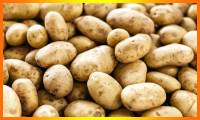
India permits potato imports from Bhutan without any license till Jun 2024.
India on Monday permitted imports of potatoes from Bhutan without any license for one more year till June 2024. Earlier, it was allowed till June 30 this year.
'Import of potatoes...is allowed from Bhutan without any import license, up to June 30, 2024,' the directorate general of foreign trade (DGFT) said in a notification.
Imports of fresh or chilled potatoes stood at $1.02 million in 2022-23.
In a separate notification, the DGFT said that the import of 17,000 metric tonnes of fresh (green) areca nut without a minimum import price (MIP) condition from Bhutan will also be allowed through LCS (land customs station) Chamurchi (INCHMB).
Chamurchi is a small village in the Jalpaiguri district. It is close to the Bhutan border. INCHMB is a location code.
Further, in a trade notice, the directorate laid out a procedure for the allocation of quota for the export of broken rice on humanitarian and food security grounds, based on requests received from governments of other countries.
It has extended the last date for submission of an application for obtaining a license for the export of broken rice to Senegal, Gambia and Indonesia, up to July 6.
'In case of any mis-declaration by any applicant or any applicant failing to export the allocated quota to the respective country(ies), within the specified time period, will be blacklisted for the next two financial years and action under the relevant provisions of FT (D&R) Act, 1992, as amended, shall be taken against the applicant,' it said.
Foreign trade happens as per the Foreign Trade (Development & Regulations) Act, 1992.
Source: economictimes.indiatimes.com