03 Mar, 2023
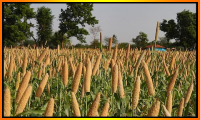
Potential of pearl millet in food processing.
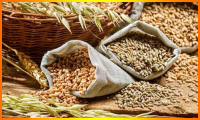
After rice, wheat, maize, barley, and sorghum, pearl millet (Pennisetum glaucum) is the sixth most significant cereal crop. It is a member of the 'Poaceae' family and is also known by a variety of other names, including Grano (Spanish), Bajra (Hindi), Kamboo (Tamil and Malayalam), Bajri (Marathi, Gujarati), and Bajra (Bengali, Punjabi, Urdu). Its origin place is Africa. Most of the world's tropical semi-arid regions in Africa and Asia are where pearl millet is farmed. Its potential to be grown in areas where wheat, maize, and other cereal crops fail to thrive is further increased by its capacity to survive in drought and hot climates. The low soil fertility and high salinity are also resistive to pearl millet. In the grain of pearl millet, there are 75% endosperm, 17% germ, and 8% bran. The proportion of pearl millet germ is around twice that of sorghum, which shows that the grain of pearl millet contributes more to the nutritional content. In Asia and Africa, where 30 million hectares of land are used to cultivate it, pearl millet provides a staple food for 90 million underprivileged people. India produces the most pearl millet in the world, with a total production area of 9.8 million hectares. Due to its health-promoting qualities, pearl millet is particularly advantageous for persons with disorders including diabetes, obesity, diabetic heart diseases, and metabolic diseases. Nutritional Value When compared to other cereal crops like wheat, rice, maize, and sorghum, pearl millet has a deeper root system that allows it to take more minerals from the soil and has a better nutritional value. Moreover, pearl millet has great nutrition and is a good source of macronutrients like iron and zinc. More protein (14.0%), fat (5.7%), fibre (2.0%), and ash (2.1%) are present in it than in the most widely grown cereal crops. This crop is particularly beneficial to humans because to its superior protein quality in terms of tryptophan and threonine content as well as higher concentration of calcium, iron, and zinc. It has more folates (8%), magnesium (18%), thiamine (15%), niacin (14%), riboflavin (11%) and pyridoxine (11%), and it has 201 kcal of calories. It is also gluten-free and a respectable source of fibre. High levels of antioxidants, polyphenols, and phytochemicals, all of which are proven to support human health in a variety of ways, can be found in pearl millet. Frequent use of pearl millet as part of a healthy diet may help prevent nutrient deficits. Health Benefits Because the grain has relatively little gluten, pearl millet is regarded as a nutritious cereal food crop. As a result, pearl millet may show to be a practical low-cost substitute for those who are celiac, have non-celiac gluten sensitivity, are gluten sensitivity patients, or are food style enthusiasts. Due to the proliferative qualities connected to the presence of phenolic extracts, pearl millet has the ability to avoid carcinogenic effects. Pearl millet eases constipation, lowers cholesterol, improves vision and eye health, and aids in reducing insulin resistance in diabetics. Compared to rice, wheat, and sorghum, it is an anti-diabetic cereal grain crop because of its low glycemic index and slow digestion capacity brought on by its higher fibre content. In vitro, the fibres in pearl millet grains have a prebiotic effect, causing probiotic cultures like Lactobacillus rhamnosus and Bifidobacterium bifidus to proliferate. It is full of antioxidants and beneficial for weight watchers. Its flour is beneficial for the heart, controls blood pressure, prevents anaemia, increases bodily endurance, and strengthens bones. Pearl Millet processing After being dehusked, pearl millet is ingested and prepared similarly to how rice is. At the household level, a variety of traditional food processing and preparation techniques are accessible, such as soaking, blanching, decorticating, hydrothermal processing, germination, fermentation, or combining treatments and adding taste enhancers. It can be made into flour, salted ready-to-eat grains for thick and thin porridges, and confectionery. It can also be roasted, popped, sprouted, and processed into flour. The taste, nutritional value, and product selection are all improved by processing pearl millet. Moreover, processing improves the bioavailability and digestibility of additional minerals while reducing anti-nutritional elements. Other processing techniques should be used with caution because they shorten the shelf life of pearl millet due to its high fat content. The grain works well for making malt as well. Its malted seeds can be used to make a booze. The use of pearl millet in the creation of gruel, composite flour, cookies, cakes, biscuits, nankhatai, muffins, namkeen sev, matar, ladoo, popped ladoo, dhokla mix, idli mix, chapati mix, pasta, extruded products, ready-to-eat snack mix, rabadi, dumplings, and milk-based beverages has been demonstrated in several research work. Pearl millets are also used to make a number of traditional dishes, including bhakri, suhali, khichri, churma, shakkarpala, popped grain, dalia, and chapathi. Scientists have also developed a variety of pearl millet-based diabetic food compositions by parboiling them. Koozh, a fermented beverage made from rice and pearl or finger millet, is a favourite among people in India's southern states. Pearl millet-based fermented beverages are becoming more popular on the market. Some of the common products of Africa include alcoholic beverages such opaque beer, chibuku shake, mbeg, and merissa as well as non-alcoholic beverages like boza, marewa, mahewu, pombe, pito, kunun zaki, bushera, and oskikundu. In India, it is also used to make flour for bread and as animal feed. Moreover, it lowers cholesterol and aids in digestive problems. Problems with pearl millets Pearl millet can grow in a variety of ecological situations with low precipitation and relative humidity, but there are still some difficulties that act as a barrier to pearl millet production. In Asia and Africa, 'downy mildew' or 'green ear' causes great damage to pearl millet. The illness is transmitted through the soil and is brought on by the fungus Sclerospora graminicola, which causes the longitudinal shredding of the leaves and the browning of leaf streaks. Although pearl millet has many health advantages, it also includes antinutrient chemicals that prevent or impair the body's ability to absorb other nutrients, which may result in shortages. One of these substances, phytic acid, prevents the absorption of potassium, calcium, iron, zinc, and magnesium. Moreover, the millet includes trypsin inhibitors, phenols, tannins, and dietary fibre, which function as 'antinutrients' by chelating minerals. By building complexes with proteins and blocking enzymes, these substances are associated with a decrease in protein digestibility. Moreover, the presence of polyphenolic pigments in the pericarp, alurone, and endosperm regions may result in the development of an unappealing grey colour and flavour in the finished product. The occurrence of lipase activity in the pericarp, aleurone layer, and germ of grains is primarily responsible for the development of off flavours and aromas in flour and its products. Reduced anti-nutritional factors can be achieved by adopting a variety of processing procedures, including as dehulling, milling, malting, blanching, parboiling, acid and heat treatments, to increase the shelf life of pearl millet flour as well as processed products. There are several major issues with pearl millet that have been limiting its consumption, including inadequate investments in product development and commercial ratio, low social status of small millet food, resistance to dietary fibre, and lack of knowledge on the use of pearl millet in the daily diet. Future scope of pearl millets The Food and Agriculture Organisation will celebrate 2023 as 'The International Year of Millets' to encourage the use of all millets, especially pearl millets, which highlights the significance of pearl millet. Pearl millets can be used to create a variety of baked goods, milk products, and beverages. Adding pearl millet to food formulations can also enhance or fortify the nutritional content of finished goods. Further research should be done in order to better understand the potential of all the pearl millets cultivars grown in the nation as well as the development of new cultivars that are intriguing for grain production and food nutrition. Studies on the effects of various food preparation methods, the development of a variety of products, sensory evaluation, grain and flour lipid stability, and clinical essays taking into account Indian diets where hypoglycemic and goitrogenic effects would be researched should all be taken into account.
Source:
fnbnews.com
|
03 Mar, 2023
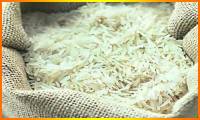
Conservative level. Rice procurement target for 2022-23 fixed at 62.1 mt, rabi-grown rice to be 10.6 mt.
The Centre has fixed a target of 10.6 million tonnes (mt) of rice to be purchased during the rabi season starting April 1, taking the total target to 62.1 mt in 2022-23 (October-September), which is 45 mt more than the actual purchase in the previous year. Besides, 34.15 mt of wheat has been estimated for procurement in 2023-24. During the first session of the conference of State Food Secretaries, held on March 1, to discuss the procurement arrangements for the ensuing season, both wheat and rabi-grown rice targets have arrived after the feedback received from States, the food ministry said Thursday. Initially, the target was 51.8 mt from kharif-grown rice, which was revised to 52.1 mt after higher procurement in Haryana. However, because of lower purchases in Tamil Nadu, the target has since got reduced to 51.47 mt from kharif season, out of which 93 per cent has already procured. 'If the target of 62.1 mt (which is over 47 per cent of total output) is achieved, it will be the highest ever rice purchase as the previous high was 60.25 mt in 2020-21,' said an official. 'States were advised to enhance milling capacity so that milling of one season gets completed before the commencement of the next season and recycling of rice may be avoided. It is expected that seamless procurement with direct transfer of money into farmer’s account, minimum cost of transportation, and human interference-free and quick analysis of foodgrains shall be a part of the ecosystem of Food Security Management very soon,' it said. Apart from the auto grain analyser to be used by the Food Corporation of India (FCI), States have been advised to implement more Minimum Threshold Parameters, linking of electricity consumption of mills with the milled quantity of paddy and linking of vehicles used for transportation of foodgrain and their GPS tracking for increased efficiency and transparency by June 2023, the ministry said. The auto grain analyser based on artificial intelligence can process results in a minute with high accuracy for paddy, rice, wheat, and coarse grain. It has been certified by ICAR-CIPHET of Ludhiana. The machine will help minimise human intervention, error and biases, and will also save time by giving digitally verifiable result of each grain. The wheat procurement target this year assumes significance on the backdrop of 2022 experience when the government could buy only 18.79 mt against the target of 44.4 mt. The lower procurement led to a ban on wheat export, which still continues since May 2022, and also a reallocation of grains in terms of rice by cutting the wheat quota for the beneficiaries under the National Food Security Act (NFSA). Sources said that the target has been set at a conservative level as the food ministry does not want to take any chance with agriculture ministry’s production estimate. The agriculture ministry has already released its forecast of a record 112.18 mt of wheat production during 2022-23 crop year (July-June). Addressing the state food ministers, Union Food Minister Piyush Goyal said that ‘SMART-PDS’ is a technological driven initiative and the need of hour, which should be implemented by all the States at the earliest. He emphasised on a transparent and accountable system and urged officials to reduce human intervention and promote automation in the existing processes. He said transparency should be of utmost importance for free supply chain of foodgrains under Public Distribution System (PDS).
Source:
thehindubusinessline.com
|
03 Mar, 2023

PM GatiShakti National Master Plan and National Logistics Policy (NLP) together will greatly help both businesses and people: Shri Piyush Goyal.
Union Minister for Commerce and Industry, Consumer Affairs, Food and Public Distribution and Textiles, Shri Piyush Goyal said that PM GatiShakti National Master Plan and National Logistics Policy (NLP) together will greatly help both businesses and people, improve competitiveness, improve investment into India and give the world confidence that India is on the rise. He was addressing the gathering at the Indian Chamber of Commerce’s (ICC) National Conference on GatiShakti in New Delhi today. Shri Goyal expressed his appreciation for the Indian Chamber of Commerce (ICC), which is based in Eastern India for coming to Delhi to engage with an initiative as crucial as GatiShakti. Shri Goyal said that the world today recognized India as a leader of innovation. He observed that India has been rapidly developing new tools for good governance, ease of living, and ease of doing business, such as PM GatiShakti National Master Plan. He observed that gone were the days when India had to wait for decades for new ideas and technology to emerge in the west and adopt them to help our businesses and our people. He cited the Unified Payments Interface (UPI) framework as an example of India's technological prowess, and an initiative which has had a deep impact on the country's economy. He further informed that in December last year, India had clocked 7.28 billion digital financial transactions in one month, thanks to UPI. The Minister added that the world was now aspiring to adopt UPI for digital financial transactions. The Minister emphasized that India was second to none in technology and new ideas, and that the PM GatiShakti initiative was yet another example of this capability. He recalled how the Prime Minister, about 15 years ago, conceived the idea of using geospatial technology to plan infrastructure better and set up BIZAG-N in Ahmedabad. He pointed out that the PM actively engaged with BIZAG during its formative years and planned infrastructure in Gujarat using the data points generated by the institute. As a result, Gujarat is far ahead of many other areas in terms of quality and speed of infrastructure development, he observed. The Minister went on to demystify PM GatiShakti, explaining that it created layers of data where different geological, ecological and infrastructural elements across the country were mapped and captured. Currently, there are about 1300 layers of data, consisting of forests, wildlife sanctuaries, rivers, UNESCO world heritage sites, among others, he said and added that GatiShakti would not only address critical gaps in infrastructure but also help in planning social infrastructure such as schools, nursing homes, hospitals, etc. The Minister further explained that the data layers of GatiShakti engage with each other through APIs, and if an alignment of a particular project was put into GatiShakti, it would highlight the challenges of implementation and help re-align the project, saving time and cost. He also highlighted that 12 states have digitized their land, which further strengthened the planning. The Minister stated that no state has politicized GatiShakti, as it is an initiative that would help our businesses, our people and the economy as a whole. He added that reducing the cost of logistics is critical to achieving India's goal of becoming a developed country by 2047. He stated that PM GatiShakti, if used well, will help bring down logistics costs tremendously. He highlighted that all highways, railways, ports, and airports were mapped on GatiShakti, which would help in building seamless connectivity networks and creating a positive impact on the logistics ecosystem. The Minister lauded the Prime Minister’s efforts in galvanizing small and developing nations to demand a fair agreement in the interest of equity and balance between the developed and developing world, which was finally adopted in COP 21 in Paris. The Minister observed that every world leader today was looking up to India, and that there was no part of the globe that did not look up to PM Modi to find solutions to challenging global problems. The Minister also highlighted the success of the government in meeting the basic needs of life for its citizens, including food, clothing, shelter, health and education. He mentioned that India’s healthcare program, Ayushman Bharat covered over 500 million people and said that the New Education Policy has been accepted and lauded across sections. These initiatives, Shri Goyal said, had made India's population, especially the youth, highly aspirational. The Minister stressed that GatiShakti is a national approach that has come out of exhaustive consultations and collective, collaborative efforts of countless stakeholders. He concluded by expressing confidence that with the enthusiasm that he saw among the people of the country and the turbo-powered work that is happening in several fields, India may surpass the mark of becoming a USD 32 trillion economy by 2047.
Source:
pib.gov.in
|
03 Mar, 2023

A sweet forecast. India s fresh grape exports seen higher this year on good demand, higher supplies.
India’s fresh grape exports for the financial year 2022-23 are seen higher both in volumes and value on good demand from Europe, the largest buyer and ample supplies. This is despite a delayed start to the export season and adverse factors such as a hike in import duty by one of the large buyers Bangladesh and slower shipments to Russia due to the war situation, exporters said. 'The demand is good from Europe. We are expecting this year’s exports to touch the peak levels of 2019,' said Vilas Shinde, Chairman and Managing Director, Sahyadri Farmers Producer Company Ltd (Sahyadri Farms), a large exporter of fresh grapes. All-time high India’s grape exports had touched an all-time high of $335 million in 2018-19 but had declined in subsequent years to factors such as Covid-related lockdown and soaring freight rates triggered by global logistics challenges and a decline in output due to the inclement weather conditions. Though the export season was delayed by a fortnight this year and started in January’s third week due to the impact of unfavourable weather, the shipments have picked up and gained pace. 'The climate is clear now and is seen helping the production and productivity, unlike in the past three years when output suffered due to the bad weather. The only issue is shipments are not happening to Russia due to the war situation. Also, Bangladesh has increased the import duty to Rs.53 a kg from Rs.32, which is a bit of concern and may result in a decline in shipments of around 10-15 per cent to that country,' Shinde said. Of the close to 2.4 lakh tonnes of fresh grapes exported from India, Europe accounts for over 1 lakh tonnes, followed by Bangladesh at around 60,000 tonnes. Other geographies including West Asia and Russia account for the rest. As per the latest data from APEDA, India has shipped out grapes worth $69.65 million in the April-November period of the current financial year, an increase of 23 per cent over the same period last year. Being a short seasonal fruit, the bulk of the fresh grape shipments take place during the January-March period. Positive growth expectations Currently, India is the 11th largest exporter of grapes in the world and shipments have grown at a compounded annual growth rate of 12.6 per cent in the last decade. 'This year will be good and positive for the grapes exports. We will do very well,' said M Angamuthu, Chairman, APEDA. 'Because of our strong traceability system, upgraded with blockchain technology, we have managed to tap the high-value European market, which has given a boost to grape exports. APEDA is making efforts to penetrate new markets and intends to improve product diversification and value addition too,' Angamuthu added. 'Grapes exports are relatively okay compared to the last year. So far, the season has been good and we are expecting to ship out over 100 plus containers, around 1,500 tonnes,' said Pankaj Khandelwal, Chairman and Managing Director, INI Farms, which was acquired by agri-tech firm AgroStar. INI Farms exports around 100 containers of grapes annually, mainly to Europe. Sahyadri’s Shinde said considering good demand and production this year, his organisation is expecting to clock a growth of 10-15 per cent in fresh grape shipments this year. Last year, Sahyadri shipped out around 1,100 containers, each carrying about 14 tonnes. What the stats say India’s grape exports during 2021-22 stood at $305.7 million, a 2.6 per cent decline over the previous year’s $314 million. The top ten export destinations of grapes during 2021-22 were the Netherlands, Bangladesh, Russia, the UK, UAE, Germany, Nepal, Saudi Arab, Malaysia, and Thailand. As per the third advance estimate for 2021-22, grape production is seen higher at 3.47 million tonnes over 2020-21’s final estimates of 3.358 million tonnes.
Source:
thehindubusinessline.com
|