02 Mar, 2023
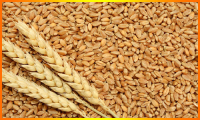
Indian govt plans to procure 34.1 mt wheat from farmers this year.
The Indian Government has plans to purchase 34.1 million tonnes (mt) of wheat in the oncoming rabi marketing season starting April after States informed it that the procurement may be met this year considering current crop conditions. 'It is not a target but based on what States have informed the Centre,' a Food Ministry official said, after a day-long meeting of States’ Food Ministers and secretaries on Wednesday. However, he clarified that the open-ended procurement policy will continue and the government will buy whatever quantity farmers want to sell during the procurement season, starting April 1. The development this year assumes significance on the backdrop of last year’s experience when the government could buy only 18.79 mt against a target of 44.4 mt. The lower procurement led to a ban on wheat export in May 22 and it continues. Also, it reallocated grain distributions through ration shops by cutting wheat quota for the beneficiaries under the National Food Security Act (NFSA) and replacing it with rice. Sources said the target has been set at a conservative level as the Food Ministry does not want to take any chance with the Agriculture Ministry’s production estimate. The Agriculture Ministry has forecast a record high of 112.18 million tonnes of wheat production during the current crop year to June. UP, Punjab plans Uttar Pradesh, the largest wheat-growing state, is confident of procuring 5.6 mt of the cereal this year out of an estimated output of 37 mt, official sources said. Punjab, the most significant contributor to Central Pool stock, is confident of buying 13.2 mt out of 16.5 mt estimated production. The procurement last year was 9.65 mt in Punjab and 0.34 mt in UP. 'We have told the Centre that exports need not be opened if procurement target is to be met,' said a State government official requesting anonymity. He also said the Centre has assured them that the ban is unlikely to be lifted before the end of procurement. Before the inaugural address, Food Secretary Sanjeev Chopra, on the sidelines of the conference, said the procurement in Gujarat is scheduled to start from March 20 and in Madhya Pradesh from March 25 as the fresh crop has started arriving in mandis. Gujarat officials said the State will procure at least 0.15 mt this year out of 0.2 mt targetted and depending on the crop size, the procurement may exceed. State government has estimated wheat production at 2-2.2 mt in Gujarat.
Source:
thehindubusinessline.com
|
02 Mar, 2023

Two-day Millets Mahotsav organised at Bhojpur, Bihar
A two-day Millets Mahotsav was organized from 28th February to 1st March 2023 at Bhojpur, Bihar. The event was inaugurated by Union Minister of Food Processing Industries Shri Pashupati Kumar Paras and brought the stakeholders of the food-processing sector on a common platform with a special focus on millets. During his inaugural address, Shri Pashupati Kumar Paras stated that due to the initiative of Prime Minister Shri Narendra Modi, the United Nations declared the year 2023 as the International Year of Millets. He added that the UN declaration has put India at the forefront of championing the initiative and building a strong name for Millets globally. Touching upon the importance of millet and the immense market potential for millet-based value-added products, Shri Paras talked about the opportunities in millet processing in the state of Bihar. The state is known for the production of Jowar, Bajra, Ragi and Small Millets. During the year 2021-22, Bihar has exported 21,187.60 MT Millets worth 5.92 Million US Dollars and Bhojpur is the hub of sourcing of Sorghum and Small Millet. Shri Pashupati Kumar Paras appreciated the continuous efforts of the Ministry of Food Processing Industries for capacity-building activities in the food processing sector, benefitting the entrepreneurs to set up or upgrade the processing units in the region. He also elaborated on the various initiatives the Ministry of Food Processing Industries has undertaken to support the food processing sector. In addition, he cited the role of the PMFME Scheme in empowering micro food-processing enterprises by providing financial, technical, and business support across the value chain. Shri Pashupati Kumar Paras also spoke about the efforts of the Government of India to augment trade across the global market through participation in events like GULFOOD-2023 held recently in UAE. The event, which witnessed participation from 125 countries, saw extensive participation from Indian exporters encompassing women entrepreneurs, start-ups, merchants and manufacturers showcasing agricultural, dairy, pulses and meat-based produce with a focus on Millets and their products. The two-day event at Bhojpur, Bihar encompassed a wide range of activities like the exhibition and sale of various millet-based products, informative sessions on millet processing, interactive sessions between industry experts and micro food processing enterprises, SHGs, FPOs engaged in food processing. It witnessed an overwhelming response, with more than 1,000 participants attending the event, including micro food processing enterprises, self-help groups, farmer-producer organizations, producer cooperatives, etc. The event was organised as part of a series of Millets Mahotsavs being celebrated across 20 States and 30 Districts in the country by the Ministry of Food Processing Industries in the wake of the United Nations General Assembly declaring 2023 as the International Year of Millets. The States that will be hosting the events include Madhya Pradesh, Bihar, Telangana, Tamil Nadu, Uttar Pradesh, Assam, Gujarat, Andhra Pradesh, Uttarakhand, Odisha, Punjab, Kerala, Rajasthan, Himachal Pradesh, Karnataka, Maharashtra, Chhattisgarh, Haryana, West Bengal, and Jharkhand. In addition to the Millets Mahotsavs, a mega-food event - World Food India-2023 is being organized by the Ministry of Food Processing Industries from 3-5 November 2023 at Pragati Maidan, New Delhi. The event will provide a unique platform for all stakeholders, including producers, food processors, equipment manufacturers, logistics players, cold chain players, technology providers, academia, start-up & innovators, food retailers, etc. to interact and dialogue. Furthermore, the event, slated to be the biggest-ever congregation of dignitaries, global investors, and business leaders of major international and domestic food companies, will put India firmly on the global food landscape. Being grown in more than 130 countries, Millets are considered traditional food for more than half a billion people across Asia and Africa. Millets are important by the virtue of their mammoth potential to generate livelihoods, increase farmers’ income and ensure food & nutritional security all over the world. India is one of the leading producers of millets in the world with an estimated share of around 41 percent in global production. Recognizing the enormous potential of Millets, which also aligns with several UN Sustainable Development Goals (SDGs), the Government of India (GoI) has prioritized Millets. Spearheaded by the Honourable Prime Minister, the Government of India’s proposal for International Year of Millets (IYoM) 2023 was accepted by the United Nations General Assembly (UNGA). The declaration has been instrumental for the Government of India to be at the forefront of celebrating IYoM.
Source:
PIB
|
02 Mar, 2023
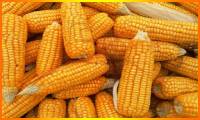
Asian buyers step up Indian corn imports as drought cuts Argentine crop.
Feed millers in Asia are boosting corn purchases from India, as a severe drought has reduced production in traditional supplier Argentina, two traders said on Thursday. Importers in Malaysia and Vietnam are booking around 200,000 tonnes of Indian corn a month, they said. 'The drought has reduced production in Argentina and we have the ongoing issue with supplies from Ukraine due to the war,' one Kuala Lumpur-based trader said on the sidelines of a grains conference in Singapore. 'India is offering competitive prices, so there is more interest in buying Indian corn.' Argentina's 2022/23 corn production is estimated to drop to 41 million tonnes, compared with 44.5 million tonnes previously estimated, the Buenos Aires grains exchange said. Early frosts could further hurt the country's already beleaguered soybean and corn crops. Indian corn is quoted around $310-$315 a tonne, including cost and freight (C&F), to Southeast Asia, compared with South American corn being offered around $330 a tonne, traders said. India is expected to continue corn shipments to Southeast Asia in the coming months amid ample supplies from crops in southern parts of the country, said one of the traders. 'We are getting good supplies from Karnataka, Tamil Nadu and Andhra Pradesh (states),' said one India-based trader.
Source:
economictimes.indiatimes.com
|
02 Mar, 2023
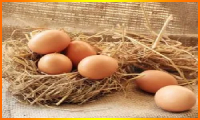
Malaysia: Govt grants six-month approval for eggs import from India to only one company
The approval to import eggs from India was granted to only one company so far, according to the Ministry of Agriculture and Food Security, in its bid to alleviate shortages in the domestic market “The company was given permission to import eggs from India based on their track record in bringing eggs from India to Qatar to meet the needs of the 2022 FIFA World Cup in Qatar. “With the company's ability to deliver eggs in a short time, the ministry has agreed to grant special import approval for a period of six months commencing December 2022,” the ministry told Dewan Rakyat in a written reply dated Tuesday (Feb 28). Nonetheless, the ministry did not reveal the name of the company that was granted this import approval. The ministry was responding to Datuk Wan Saifulruddin bin Wan Jan [Bersatu-Tasek Gelugor ], who asked for the export volume of chicken eggs and the total production volume by local companies from 2018 until the end of February 2023. Wan Saiful also asked the government to state the reason to import eggs from India, which are more expensive and the egg size is smaller; the list of the AP holders for egg imports, the way they were chosen, and the duration that this AP is in effect. As a short-term intervention measure to ensure sufficient supply of eggs in the country, the ministry said it has allowed the importation of Fresh White Shell Egg type from India, weighing between 50-55 grams, which can be graded as grade D in Malaysia or medium in India. “The issue of lack of eggs supply in the local market occurs when there is a decrease in production detected from October to December 2022, where the production cannot cover the needs in the country. “So far, only one company has been given permission based on the application and proposal received from the company,” it said. The ministry also said Malaysians on average consume 11.6 billion eggs a year, which translates to 968 million eggs every month, while production between 2018-2022 ranges from 10.9 billion to 13.6 billion eggs. “Therefore, this production record clearly shows that egg production is sufficient for domestic needs every year, and there is a surplus that allows Malaysia to export eggs abroad. “Malaysia is the fifth largest egg exporting country in the world, where(in) Malaysia’s main export destinations are Singapore and Hong Kong,” the ministry said.
Source:
The Edge Market
|
02 Mar, 2023
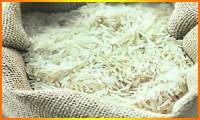
Indian govt s rice procurement at 93% of target up 2% year-on-year.
The Indian government has procured nearly 93 per cent of the paddy targeted from the kharif season in the first five months of the current marketing season to September. Initially, the target was 518 lakh tonnes (lt) but it was subsequently revised to 521 lt after procurement was higher in Haryana. However, the revised target for the kharif season for which the harvest began is 514.72 lt. As rice procurement has been falling constantly every month since November in Tamil Nadu, the target for the state has been revised lower to 12.9 lt against the initial target of 19.9 lt. This has resulted in an overall downward revision in the pan-India target, an official source said. According to official data, the overall rice procurement in October was 114.34 lt (up 12 per cent from a year ago), 104.39 lt in November (up 13 per cent), 137.2 lt in December (up 9 per cent), 81.4 lt in January (down by 29 per cent) and 41 lt in February (up 21 per cent). The procurement of kharif-grown paddy in West Bengal will continue until May 31 and in Assam, upto June 30. It will end in Odisha, Bihar, Jharkhand, Andhra Pradesh, Tamil Nadu, Maharashtra and Karnataka on March 31. In other States, the procurement is already over. 99 lakh beneficiaries Pan India procurement in terms of rice was 478.3 lt worth over Rs 1.47 lakh crore until February 28 against 469.9 lt in the year-ago period, which has benefitted nearly 99 lakh farmers who are able to sell their paddy at minimum support price (MSP) of Rs 2,060/quintal (Grade A variety). But the absolute increase of 8.4 lt from a year ago can be attributed to higher procurement in West Bengal, where it has reached 14.71 lt as of February 28 from 7.27 lt as of January 31. 'There was some error in the year-ago procurement data until February 28 as it could not be updated with the latest and remained at 3.72 lt - same as on January 31' the official source said. In Uttar Pradesh, the procurement has already exceeded the target of 40 lt, reaching 43.8 lt against 43.6 lt a year ago whereas, in Bihar, the purchase is reported to be at 28.17 lt, marginally down from 30.09 lt. The target for Bihar is to purchase 30 lt in terms of rice from kharif crop. The procurement in Punjab and Haryana has been completed with 122 lt and 39.5 lt, respectively, being purchased. While the purchase in Punjab is lower by 3.5 lt (down by 2.8 per cent), it is 2.4 lt more (up by 6.6 per cent) in Haryana. In Chhattisgarh, the rice procurement ended at 61.6 lt, the same as last year despite 16 lt being purchased in November by advancing the buying schedule by a month from normal. In Odisha, the purchase has reported a 14 per cent jump to 40.9 lt whereas in Telangana it is up by 8.3 per cent at 43.5 lt. There was some revision in last year’s procurement in Telangana which led to showing an increase as it was 9 per cent lower this season until January 31. Madhya Pradesh has reported a 30.9 lt purchase, a notch higher from 30.7 lt year-ago.
Source:
thehindubusinessline.com
|
02 Mar, 2023
Pursuing 'great' deal with India, says UK trade minister.
Britain is pursuing a 'great' trade deal with India to cut tariffs and open up opportunities for the country's services sector, UK Trade and Industry Secretary Kemi Badenoch has said. Highlighting her priorities since taking charge of the newly merged Department for Business and Trade, Badenoch said her ministry is keen to make it easier for British businesses to access the fast-growing Indian economy with the new trade agreement. She also pointed to the ongoing negotiations for the UK's accession into the Comprehensive and Progressive Trans-Pacific Partnership (CPTPP) as reflective of a wider strategic shift towards the Indo-Pacific region. 'It's [CPTPP] not just about exporting goods or even services. The Trans-Pacific Partnership is also about the geostrategic shift to the Indo-Pacific as set out in the government's Integrated Review and this really matters for our long-term security,' Badenoch said in an address to the Legatum Institute think tank in London on Tuesday. 'It also matters for our long-term growth - this is where the global middle class of the future will come from and we need to be a player. That's also why we're pursuing a great trade deal with India. A deal to cut tariffs and open opportunities for UK services, making it easier for British businesses to sell to an economy set to be the world's third-largest by 2050,' she said. The minister dubbed trade deals like 'motorways', which are useful if there are vehicles to drive on them - with vehicles representing exports and investments. 'That's what trade is really, and that's my main focus. So, we are not just the department for getting deals, taking pictures, and signing bits of paper. And that will become even more key as I flesh out our role as the Department for Business and International Trade,' added Badenoch. India and the UK have concluded seven rounds of negotiations towards a free trade agreement (FTA), with the eighth round scheduled in New Delhi later this month. UK Foreign Secretary James Cleverly, who is in India this week for the G20 Foreign Ministers' meeting, will also reaffirm the country's commitment to conclude the FTA. According to official UK government statistics, the bilateral trading relationship was worth GBP 34 billion in 2022 - growing by GBP 10 billion in one year. The Confederation of British Industry (CBI), the country's leading industry body, estimates an India-UK FTA could boost trade with India by GBP 28 billion a year by 2035 and increase wages across the UK by GBP 3 billion.
Source:
economictimes.indiatimes.com
|
02 Mar, 2023

Sustainability and inclusive growth are key to India's growth journey: Shri Piyush Goyal
Shri Piyush Goyal, the Union Minister of Commerce and Industry, Consumer Affairs, Food and Public Distribution and Textiles said that developed and developing countries must have different goals and timelines while being sensitive to each other's needs, potential goals and roadmap towards sustainability. He was addressing the gathering at Confederation of Indian Industry’s (CII) Special Plenary Session of India Europe Business and Sustainability Conclave in New Delhi today. Shri Goyal highlighted that India has been one of the top 5 performers when it comes to benchmarking our work and meeting the Nationally Determined Contributions (NDCs). ‘Technology, finance and sustainable lifestyles are going to play an important role in ensuring sustainable growth’, he opined. Shri Goyal urged world leaders to recognize that everyone must contribute their fair share in improving energy efficiency, in reducing waste, in boosting the circular economy and in achieving green goals by transitioning and helping other nations transition to green growth to make the world a better place to live in. India's partnership with the UK and the EU is significant in the global effort to make the planet safer and greener, he said. He reiterated India's commitment to ensuring that sustainability and inclusive growth defined India's growth story. The Minister urged all business leaders to focus on sustainability and ensure that all actions respect nature. Shri Goyal said that today’s businesses understood the value of sustainability and the complementarity of sustainability with business. He stressed that the long-term value proposition for any business came out of sustainability as it would make businesses safer for the stakeholders and prepares us for a better future. Speaking of Mahatma Gandhi’s vision of trusteeship, the Minister said that we must recognize the importance of inter-generational equity and added that we don’t inherit the earth from our ancestors but borrow it from our children. He also pointed out that to India, sustainability and respect for nature came traditionally and naturally The Minister said that to a large extent the climate crisis was created by high levels of consumption and waste generation. He said that only a collective effort would help combat the climate crisis and achieve sustainable growth. He noted that the government would only be able to play the role of an enabler and that it would be business and people at large who would have to adopt practices that lead to sustainable development. ‘If we accept this as a global responsibility, a shared commitment for a better world, we can do wonders. We need speed and we need to scale up our efforts for a sustainable world’, he observed. The Minister referred to the jacket that was gifted to the Prime Minister during the Energy Week, that was made out of recycled plastic and said that the PM had worn it to the Parliament and it was a sign and an inspiration that we all needed to contribute to the Green Movement. He emphasized the importance of sustainability and inclusive growth in India's growth journey. He cited Prime Minister Narendra Modi's vision of Zero Defect & Zero Effect Manufacturing, in which quality and sustainability are two crucial elements of India's growth journey. The Minister said that inclusive growth had been another vision of the Prime Minister, who aimed at bringing prosperity to every single citizen of the country. He noted that the government had succeeded in meeting the basic requirements of life of the masses, thereby raising aspiration levels, especially of the youth, and empowering them to drive economic growth. Shri Goyal highlighted India's large consumer base of 1.4 billion recognizing sustainability as an important element of future growth. The Special Plenary Session of India Europe Business and Sustainability Conclave saw participation from European Union (EU), The Netherlands, Malta and United Kingdom (UK).
Source:
PIB
|
01 Mar, 2023

Two-day Kisan Mela & Agricultural Exhibition Concludes in Bundelkhand.
A two-day agriculture fair and exhibition was organized at Rani Lakshmi Bai Central Agricultural University, Jhansi, depicting the pride, prosperity, and the progressive farmers of a self-reliant India. On 27 February, 2023, on the closing ceremony of the fair, the farmer brethren, received answers to several queries and relevant information was communicated at the numerous stalls. The 13th installment of Pradhan Mantri Kisan Samman Nidhi Scheme was also released to the farmers. This installment will contribute to the development of the agriculture sector. The chief convenor of the Agri -Expo, Dr. Anil Kumar welcomed the gathering. Dr. US Gautam, Deputy Director General (Agriculture Extension), ICAR New Delhi, was the chief guest on the concluding day. Dr. Adarsh Singh, Divisional Commissioner Jhansi, Dr. Vinod Kumar Student Manager Dr. Sanjay Singh Director General UPCAR, Uttar Pradesh, Junaid Ahmed CDO Jhansi, Pulkit Garg Municipal Commissioner etc. were special guests. Dr. Anand Kumar Singh, Deputy Director Horticulture ICAR New Delhi, addressed the Expo through the online platform. The Expo and Kisan Mela were presided over by Dr. Ashok Kumar Singh, Vice Chancellor, Rani Laxmi Bai Central Agricultural University. The guests, through their respective speeches, suggested avenues and possibilities of agricultural product processing and export in Bundelkhand. They remarked that to increase the production, processing, and branding of agricultural products in Bundelkhand, there is a need to increase the product quality and subject experts need to come forward to increase production of pulses, oilseeds, coarse grains, and horticulture in Bundelkhand, and to make it a regional identity. Special products of Bundelkhand like kathia wheat, ginger, tulsi, betel leaf, groundnut etc. can be given GI tagging to increase their export potential. Further it was felt that in the field of horticulture, experts will have to work for ensuring quality of plants and their certification. By increasing the participation of youth(Arya Project), progressive farmers, and women in agriculture, income and employment can be generated through agricultural product processing, value addition, and packaging. Income can be increased by taking production throughout the year, adopting integrated farming systems, diversification, and new techniques. Also, the social and economic development of the area can be strengthened. The university needs to take concrete steps to provide technical assistance to FPOs in Bundelkhand, and cultivation of dates, chironji, ber, dragon fruit etc can be promoted. It is possible to develop entrepreneurship by starting agriculture start-ups for agricultural students and youth. Divisional Commissioner Dr. Adarsh Singh said that at present the country is celebrating Amrit Kaal, Jhansi Mandal has received the maximum investment proposals in the conference held in the state. The challenge lies in getting those proposals off the ground. This year has been declared as the International Millet Year. Red Kathia wheat of Bundelkhand region is very beneficial for health, and is in huge demand, but is not available anywhere other than this region. Hence farmers can benefit by producing Kathia wheat in a scientific way. He further said that the climate of Bundelkhand is favorable for the cultivation of nutritious grains in which there are immense possibilities. Jalaun's peas and Jhansi's groundnut market is the biggest market of the state. He appealed to the farmers to take advantage of the Agriculture University. Jhansi Chief Development Officer Junaid Ahmed said that agri start-ups have an important role in agriculture, and if Kathia wheat gets GI tag, it can be easily promoted. He also praised the ginger produced in Baruasagar. Municipal Commissioner Pulkit Garg said that we have to become job providers and not job seekers. Start-ups can be launched and farmers can ne engaged. The Jhansi Municipal Corporation will soon select 30 start-ups and train them. Chief Guest Dr. US Gautam DDG, Delhi said that farmers will have to work according to Bundelkhand’s environment. It may be a rocky area, but there are immense possibilities of pomegranate, ber, chironji, dragon fruit etc. The Government of India runs several schemes for the farmers and the farmers are being benefitted by them. 721 Krishi Vigyan Kendras are working for the farmers across the country. Krishi Vigyan Kendra has done the first line demonstration on the fields of 6800 farmers. The Vice Chancellor, Dr. Ashok Kumar Singh said that Bundelkhand region has its own specialty, its climate bears something that cannot be grown anywhere else. The farmer produces his crop but getting the right price is the biggest challenge. He said that earlier the farmers here used to import nutritious food grains and this nutritious grain has to be brought into the mainstream farming. He said GI tag, high quality nurseries, start-ups of pulses etc. have to be explored for export opportunities while ensuring the participation of farmers, scientists, entrepreneurs etc. A total of 4 technical sessions were organized in this conference, in which – Experts from all over the country, shared their views on possibilities of value addition and export in agriculture, expansion of agricultural production union and startup, possibilities for promotion and export on pulses, oilseeds and main crops, challenges and forest products of Bundelkhand, fruits, vegetables, and medicinal plants. An Android based mobile app, 'Bundeli Agricultural Marketing', has been developed in the project 'Integrated Platform for Agri-Entrepreneurs (Farmer-Consumer-Entrepreneur)' funded by Agricultural University and NABARD. The app was released and inaugurated by the guests. Through this mobile app, farmers, consumers, and entrepreneurs of Bundelkhand will be able to connect with their consumers and showcase their products in a better way. University agricultural scientists Dr. Tanuj Mishra, Dr. Sanjeev Kumar, Dr. Arpit Suryavanshi, Dr. Shailendra Kumar and Saurabh Singh Gaur are involved in this project. NABARD, APEDA, Bundelkhand Chamber of Commerce, State and District Administration of Jhansi and Uttar Pradesh Government have played an important role in the conference. The farmers appreciated the new models of farming in the fair, and queried about them. While appreciating this fair, the Divisional Commissioner expressed his gratitude to all the officers including the Vice Chancellor of the University for inviting them to this program. On this occasion, an MOU was signed between the University and Tara Blooms Private Limited. On the concluding day of the fair, farmers were demonstrated drone-flying techniques. The Shri Anna and DWR Jabalpur stalls got the first place in the educational institution category in the fair. NHRDF, New Delhi got second place and Bundelkhand University got third place. For first place in the category of Krishi Vigyan Kendra, Shivpuri, M.P, Bharari was second and Jalaun, in third place. In the farmer group category, Balini, Jhansi got first prize, Manpura Mushroom Jhansi and Basant Mahila FPO got second and Aakar, Jhansi got third prize. In private and NGO category, IFFCO stood first, BAIF UP, second and RCOT eva Agri Science got third prize. All these awards were given by the Vice Chancellor. On this occasion Dr. A.R Sharma, Dr. S.S Singh, Dr. S.K Chaturvedi, Dr. B.K Vehra, Dr.V.P Singh, Dr. S.S Kushwaha, Dr. Mukesh Srivastava, Dr M.J Dobariyal , all the officers of Grassland, CAFRI, Agriculture Department, Horticulture Department, and Jhansi Division were present along with the Heads of the Departments of the University, scientific, academic and non-academic employees. The stage was moderated by Dr. Alka Jain and Dr Nishant Bhanu.
Source:
krishijagran.com
|