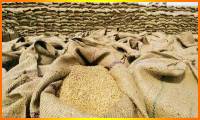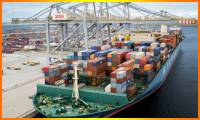
Trade Infrastructure for Export Scheme (TIES) being implemented for creation of appropriate infrastructure for the growth of exports.
| Sl. No. | Name of State/UT | Year | Number of New projects approved | TIES fund released (In Rs. Cr.) | ||||||||||||||||||||||||||||||||||||||||||||||||||||||||||||||||||||||||||||||||||||||||||||||||||||||||||||||||||||||||||||||||||||||||||||||||||||||||||||||||||||||||||||||||||||||||||||||||||||||||||||||||||||||||||||||||||||||||||||||||||||||||||||||||||||||||||||||||||||||||||||||||||||||||||||||||||||||||||||||||
| 1. | Karnataka | 2019-20 | 0 | 2.65* | ||||||||||||||||||||||||||||||||||||||||||||||||||||||||||||||||||||||||||||||||||||||||||||||||||||||||||||||||||||||||||||||||||||||||||||||||||||||||||||||||||||||||||||||||||||||||||||||||||||||||||||||||||||||||||||||||||||||||||||||||||||||||||||||||||||||||||||||||||||||||||||||||||||||||||||||||||||||||||||||||
| 2020-21 | 0 | 0 | ||||||||||||||||||||||||||||||||||||||||||||||||||||||||||||||||||||||||||||||||||||||||||||||||||||||||||||||||||||||||||||||||||||||||||||||||||||||||||||||||||||||||||||||||||||||||||||||||||||||||||||||||||||||||||||||||||||||||||||||||||||||||||||||||||||||||||||||||||||||||||||||||||||||||||||||||||||||||||||||||||
| 2021-22 | 0 | 0.35* | ||||||||||||||||||||||||||||||||||||||||||||||||||||||||||||||||||||||||||||||||||||||||||||||||||||||||||||||||||||||||||||||||||||||||||||||||||||||||||||||||||||||||||||||||||||||||||||||||||||||||||||||||||||||||||||||||||||||||||||||||||||||||||||||||||||||||||||||||||||||||||||||||||||||||||||||||||||||||||||||||||
| 2022-23 | 5 | 25.92 | ||||||||||||||||||||||||||||||||||||||||||||||||||||||||||||||||||||||||||||||||||||||||||||||||||||||||||||||||||||||||||||||||||||||||||||||||||||||||||||||||||||||||||||||||||||||||||||||||||||||||||||||||||||||||||||||||||||||||||||||||||||||||||||||||||||||||||||||||||||||||||||||||||||||||||||||||||||||||||||||||||
| Total | 5 | 28.92 | ||||||||||||||||||||||||||||||||||||||||||||||||||||||||||||||||||||||||||||||||||||||||||||||||||||||||||||||||||||||||||||||||||||||||||||||||||||||||||||||||||||||||||||||||||||||||||||||||||||||||||||||||||||||||||||||||||||||||||||||||||||||||||||||||||||||||||||||||||||||||||||||||||||||||||||||||||||||||||||||||||
| 2. | Kerala | 2019-20 | 1 | 10 | ||||||||||||||||||||||||||||||||||||||||||||||||||||||||||||||||||||||||||||||||||||||||||||||||||||||||||||||||||||||||||||||||||||||||||||||||||||||||||||||||||||||||||||||||||||||||||||||||||||||||||||||||||||||||||||||||||||||||||||||||||||||||||||||||||||||||||||||||||||||||||||||||||||||||||||||||||||||||||||||||
| 2020-21 | 0 | 0 | ||||||||||||||||||||||||||||||||||||||||||||||||||||||||||||||||||||||||||||||||||||||||||||||||||||||||||||||||||||||||||||||||||||||||||||||||||||||||||||||||||||||||||||||||||||||||||||||||||||||||||||||||||||||||||||||||||||||||||||||||||||||||||||||||||||||||||||||||||||||||||||||||||||||||||||||||||||||||||||||||||
| 2021-22 | 1 | 18.09* | ||||||||||||||||||||||||||||||||||||||||||||||||||||||||||||||||||||||||||||||||||||||||||||||||||||||||||||||||||||||||||||||||||||||||||||||||||||||||||||||||||||||||||||||||||||||||||||||||||||||||||||||||||||||||||||||||||||||||||||||||||||||||||||||||||||||||||||||||||||||||||||||||||||||||||||||||||||||||||||||||||
| 2022-23 | 0 | 0 | ||||||||||||||||||||||||||||||||||||||||||||||||||||||||||||||||||||||||||||||||||||||||||||||||||||||||||||||||||||||||||||||||||||||||||||||||||||||||||||||||||||||||||||||||||||||||||||||||||||||||||||||||||||||||||||||||||||||||||||||||||||||||||||||||||||||||||||||||||||||||||||||||||||||||||||||||||||||||||||||||||
| Total | 2 | 28.09 | ||||||||||||||||||||||||||||||||||||||||||||||||||||||||||||||||||||||||||||||||||||||||||||||||||||||||||||||||||||||||||||||||||||||||||||||||||||||||||||||||||||||||||||||||||||||||||||||||||||||||||||||||||||||||||||||||||||||||||||||||||||||||||||||||||||||||||||||||||||||||||||||||||||||||||||||||||||||||||||||||||
| 3. | Manipur | 2019-20 | 0 | 0 | ||||||||||||||||||||||||||||||||||||||||||||||||||||||||||||||||||||||||||||||||||||||||||||||||||||||||||||||||||||||||||||||||||||||||||||||||||||||||||||||||||||||||||||||||||||||||||||||||||||||||||||||||||||||||||||||||||||||||||||||||||||||||||||||||||||||||||||||||||||||||||||||||||||||||||||||||||||||||||||||||
| 2020-21 | 0 | 5.63* | ||||||||||||||||||||||||||||||||||||||||||||||||||||||||||||||||||||||||||||||||||||||||||||||||||||||||||||||||||||||||||||||||||||||||||||||||||||||||||||||||||||||||||||||||||||||||||||||||||||||||||||||||||||||||||||||||||||||||||||||||||||||||||||||||||||||||||||||||||||||||||||||||||||||||||||||||||||||||||||||||||
| 2021-22 | 0 | 0 | ||||||||||||||||||||||||||||||||||||||||||||||||||||||||||||||||||||||||||||||||||||||||||||||||||||||||||||||||||||||||||||||||||||||||||||||||||||||||||||||||||||||||||||||||||||||||||||||||||||||||||||||||||||||||||||||||||||||||||||||||||||||||||||||||||||||||||||||||||||||||||||||||||||||||||||||||||||||||||||||||||
| 2022-23 | 0 | 0 | ||||||||||||||||||||||||||||||||||||||||||||||||||||||||||||||||||||||||||||||||||||||||||||||||||||||||||||||||||||||||||||||||||||||||||||||||||||||||||||||||||||||||||||||||||||||||||||||||||||||||||||||||||||||||||||||||||||||||||||||||||||||||||||||||||||||||||||||||||||||||||||||||||||||||||||||||||||||||||||||||||
| Total | 0 | 5.63 | ||||||||||||||||||||||||||||||||||||||||||||||||||||||||||||||||||||||||||||||||||||||||||||||||||||||||||||||||||||||||||||||||||||||||||||||||||||||||||||||||||||||||||||||||||||||||||||||||||||||||||||||||||||||||||||||||||||||||||||||||||||||||||||||||||||||||||||||||||||||||||||||||||||||||||||||||||||||||||||||||||
| 4. | Andhra Pradesh | 2019-20 | 0 | 9.9856* | ||||||||||||||||||||||||||||||||||||||||||||||||||||||||||||||||||||||||||||||||||||||||||||||||||||||||||||||||||||||||||||||||||||||||||||||||||||||||||||||||||||||||||||||||||||||||||||||||||||||||||||||||||||||||||||||||||||||||||||||||||||||||||||||||||||||||||||||||||||||||||||||||||||||||||||||||||||||||||||||||
| 2020-21 | 2 | 13** | ||||||||||||||||||||||||||||||||||||||||||||||||||||||||||||||||||||||||||||||||||||||||||||||||||||||||||||||||||||||||||||||||||||||||||||||||||||||||||||||||||||||||||||||||||||||||||||||||||||||||||||||||||||||||||||||||||||||||||||||||||||||||||||||||||||||||||||||||||||||||||||||||||||||||||||||||||||||||||||||||||
| 2021-22 | 0 | 0 | ||||||||||||||||||||||||||||||||||||||||||||||||||||||||||||||||||||||||||||||||||||||||||||||||||||||||||||||||||||||||||||||||||||||||||||||||||||||||||||||||||||||||||||||||||||||||||||||||||||||||||||||||||||||||||||||||||||||||||||||||||||||||||||||||||||||||||||||||||||||||||||||||||||||||||||||||||||||||||||||||||
| 2022-23 | 1 | 1.40 | ||||||||||||||||||||||||||||||||||||||||||||||||||||||||||||||||||||||||||||||||||||||||||||||||||||||||||||||||||||||||||||||||||||||||||||||||||||||||||||||||||||||||||||||||||||||||||||||||||||||||||||||||||||||||||||||||||||||||||||||||||||||||||||||||||||||||||||||||||||||||||||||||||||||||||||||||||||||||||||||||||
| Total | 3 | 24.3856 | ||||||||||||||||||||||||||||||||||||||||||||||||||||||||||||||||||||||||||||||||||||||||||||||||||||||||||||||||||||||||||||||||||||||||||||||||||||||||||||||||||||||||||||||||||||||||||||||||||||||||||||||||||||||||||||||||||||||||||||||||||||||||||||||||||||||||||||||||||||||||||||||||||||||||||||||||||||||||||||||||||
| 5. | Tamil Nadu | 2019-20 | 5 | 15.91* | ||||||||||||||||||||||||||||||||||||||||||||||||||||||||||||||||||||||||||||||||||||||||||||||||||||||||||||||||||||||||||||||||||||||||||||||||||||||||||||||||||||||||||||||||||||||||||||||||||||||||||||||||||||||||||||||||||||||||||||||||||||||||||||||||||||||||||||||||||||||||||||||||||||||||||||||||||||||||||||||||
| 2020-21 | 1 | 14.4584* | ||||||||||||||||||||||||||||||||||||||||||||||||||||||||||||||||||||||||||||||||||||||||||||||||||||||||||||||||||||||||||||||||||||||||||||||||||||||||||||||||||||||||||||||||||||||||||||||||||||||||||||||||||||||||||||||||||||||||||||||||||||||||||||||||||||||||||||||||||||||||||||||||||||||||||||||||||||||||||||||||||
| 2021-22 | 4 | 22.94 | ||||||||||||||||||||||||||||||||||||||||||||||||||||||||||||||||||||||||||||||||||||||||||||||||||||||||||||||||||||||||||||||||||||||||||||||||||||||||||||||||||||||||||||||||||||||||||||||||||||||||||||||||||||||||||||||||||||||||||||||||||||||||||||||||||||||||||||||||||||||||||||||||||||||||||||||||||||||||||||||||||
| 2022-23 | 3 | 28.16* | ||||||||||||||||||||||||||||||||||||||||||||||||||||||||||||||||||||||||||||||||||||||||||||||||||||||||||||||||||||||||||||||||||||||||||||||||||||||||||||||||||||||||||||||||||||||||||||||||||||||||||||||||||||||||||||||||||||||||||||||||||||||||||||||||||||||||||||||||||||||||||||||||||||||||||||||||||||||||||||||||||
| Total | 13 | 81.4684 | ||||||||||||||||||||||||||||||||||||||||||||||||||||||||||||||||||||||||||||||||||||||||||||||||||||||||||||||||||||||||||||||||||||||||||||||||||||||||||||||||||||||||||||||||||||||||||||||||||||||||||||||||||||||||||||||||||||||||||||||||||||||||||||||||||||||||||||||||||||||||||||||||||||||||||||||||||||||||||||||||||
| 6. | Madhya Pradesh | 2019-20 | 0 | 8.04* | ||||||||||||||||||||||||||||||||||||||||||||||||||||||||||||||||||||||||||||||||||||||||||||||||||||||||||||||||||||||||||||||||||||||||||||||||||||||||||||||||||||||||||||||||||||||||||||||||||||||||||||||||||||||||||||||||||||||||||||||||||||||||||||||||||||||||||||||||||||||||||||||||||||||||||||||||||||||||||||||||
| 2020-21 | 0 | 0 | ||||||||||||||||||||||||||||||||||||||||||||||||||||||||||||||||||||||||||||||||||||||||||||||||||||||||||||||||||||||||||||||||||||||||||||||||||||||||||||||||||||||||||||||||||||||||||||||||||||||||||||||||||||||||||||||||||||||||||||||||||||||||||||||||||||||||||||||||||||||||||||||||||||||||||||||||||||||||||||||||||
| 2021-22 | 0 | 0 | ||||||||||||||||||||||||||||||||||||||||||||||||||||||||||||||||||||||||||||||||||||||||||||||||||||||||||||||||||||||||||||||||||||||||||||||||||||||||||||||||||||||||||||||||||||||||||||||||||||||||||||||||||||||||||||||||||||||||||||||||||||||||||||||||||||||||||||||||||||||||||||||||||||||||||||||||||||||||||||||||||
| 2022-23 | 0 | 0 | ||||||||||||||||||||||||||||||||||||||||||||||||||||||||||||||||||||||||||||||||||||||||||||||||||||||||||||||||||||||||||||||||||||||||||||||||||||||||||||||||||||||||||||||||||||||||||||||||||||||||||||||||||||||||||||||||||||||||||||||||||||||||||||||||||||||||||||||||||||||||||||||||||||||||||||||||||||||||||||||||||
| Total | 0 | 8.04 | ||||||||||||||||||||||||||||||||||||||||||||||||||||||||||||||||||||||||||||||||||||||||||||||||||||||||||||||||||||||||||||||||||||||||||||||||||||||||||||||||||||||||||||||||||||||||||||||||||||||||||||||||||||||||||||||||||||||||||||||||||||||||||||||||||||||||||||||||||||||||||||||||||||||||||||||||||||||||||||||||||
| 7. | Uttar Pradesh | 2019-20 | 0 | 0.48 | ||||||||||||||||||||||||||||||||||||||||||||||||||||||||||||||||||||||||||||||||||||||||||||||||||||||||||||||||||||||||||||||||||||||||||||||||||||||||||||||||||||||||||||||||||||||||||||||||||||||||||||||||||||||||||||||||||||||||||||||||||||||||||||||||||||||||||||||||||||||||||||||||||||||||||||||||||||||||||||||||
| 2020-21 | 0 | 0 | ||||||||||||||||||||||||||||||||||||||||||||||||||||||||||||||||||||||||||||||||||||||||||||||||||||||||||||||||||||||||||||||||||||||||||||||||||||||||||||||||||||||||||||||||||||||||||||||||||||||||||||||||||||||||||||||||||||||||||||||||||||||||||||||||||||||||||||||||||||||||||||||||||||||||||||||||||||||||||||||||||
| 2021-22 | 0 | 0 | ||||||||||||||||||||||||||||||||||||||||||||||||||||||||||||||||||||||||||||||||||||||||||||||||||||||||||||||||||||||||||||||||||||||||||||||||||||||||||||||||||||||||||||||||||||||||||||||||||||||||||||||||||||||||||||||||||||||||||||||||||||||||||||||||||||||||||||||||||||||||||||||||||||||||||||||||||||||||||||||||||
| 2022-23 | 1 | 2.74 | ||||||||||||||||||||||||||||||||||||||||||||||||||||||||||||||||||||||||||||||||||||||||||||||||||||||||||||||||||||||||||||||||||||||||||||||||||||||||||||||||||||||||||||||||||||||||||||||||||||||||||||||||||||||||||||||||||||||||||||||||||||||||||||||||||||||||||||||||||||||||||||||||||||||||||||||||||||||||||||||||||
| Total | 1 | 3.22 | ||||||||||||||||||||||||||||||||||||||||||||||||||||||||||||||||||||||||||||||||||||||||||||||||||||||||||||||||||||||||||||||||||||||||||||||||||||||||||||||||||||||||||||||||||||||||||||||||||||||||||||||||||||||||||||||||||||||||||||||||||||||||||||||||||||||||||||||||||||||||||||||||||||||||||||||||||||||||||||||||||
| 8 | Maharashtra | 2019-20 | 0 | 1.52* | ||||||||||||||||||||||||||||||||||||||||||||||||||||||||||||||||||||||||||||||||||||||||||||||||||||||||||||||||||||||||||||||||||||||||||||||||||||||||||||||||||||||||||||||||||||||||||||||||||||||||||||||||||||||||||||||||||||||||||||||||||||||||||||||||||||||||||||||||||||||||||||||||||||||||||||||||||||||||||||||||
| 2020-21 | 1 | 6.37^ | ||||||||||||||||||||||||||||||||||||||||||||||||||||||||||||||||||||||||||||||||||||||||||||||||||||||||||||||||||||||||||||||||||||||||||||||||||||||||||||||||||||||||||||||||||||||||||||||||||||||||||||||||||||||||||||||||||||||||||||||||||||||||||||||||||||||||||||||||||||||||||||||||||||||||||||||||||||||||||||||||||
| 2021-22 | 0 | 0 | ||||||||||||||||||||||||||||||||||||||||||||||||||||||||||||||||||||||||||||||||||||||||||||||||||||||||||||||||||||||||||||||||||||||||||||||||||||||||||||||||||||||||||||||||||||||||||||||||||||||||||||||||||||||||||||||||||||||||||||||||||||||||||||||||||||||||||||||||||||||||||||||||||||||||||||||||||||||||||||||||||
| 2022-23 | 0 | 0 | ||||||||||||||||||||||||||||||||||||||||||||||||||||||||||||||||||||||||||||||||||||||||||||||||||||||||||||||||||||||||||||||||||||||||||||||||||||||||||||||||||||||||||||||||||||||||||||||||||||||||||||||||||||||||||||||||||||||||||||||||||||||||||||||||||||||||||||||||||||||||||||||||||||||||||||||||||||||||||||||||||
| Total | 1 | 7.89 | ||||||||||||||||||||||||||||||||||||||||||||||||||||||||||||||||||||||||||||||||||||||||||||||||||||||||||||||||||||||||||||||||||||||||||||||||||||||||||||||||||||||||||||||||||||||||||||||||||||||||||||||||||||||||||||||||||||||||||||||||||||||||||||||||||||||||||||||||||||||||||||||||||||||||||||||||||||||||||||||||||
| 9 | Tripura | 2019-20 | 0 | 0 | ||||||||||||||||||||||||||||||||||||||||||||||||||||||||||||||||||||||||||||||||||||||||||||||||||||||||||||||||||||||||||||||||||||||||||||||||||||||||||||||||||||||||||||||||||||||||||||||||||||||||||||||||||||||||||||||||||||||||||||||||||||||||||||||||||||||||||||||||||||||||||||||||||||||||||||||||||||||||||||||||
| 2020-21 | 2 | 2.58** | ||||||||||||||||||||||||||||||||||||||||||||||||||||||||||||||||||||||||||||||||||||||||||||||||||||||||||||||||||||||||||||||||||||||||||||||||||||||||||||||||||||||||||||||||||||||||||||||||||||||||||||||||||||||||||||||||||||||||||||||||||||||||||||||||||||||||||||||||||||||||||||||||||||||||||||||||||||||||||||||||||
| 2021-22 | 0 | 0 | ||||||||||||||||||||||||||||||||||||||||||||||||||||||||||||||||||||||||||||||||||||||||||||||||||||||||||||||||||||||||||||||||||||||||||||||||||||||||||||||||||||||||||||||||||||||||||||||||||||||||||||||||||||||||||||||||||||||||||||||||||||||||||||||||||||||||||||||||||||||||||||||||||||||||||||||||||||||||||||||||||
| 2022-23 | 0 | 0 | ||||||||||||||||||||||||||||||||||||||||||||||||||||||||||||||||||||||||||||||||||||||||||||||||||||||||||||||||||||||||||||||||||||||||||||||||||||||||||||||||||||||||||||||||||||||||||||||||||||||||||||||||||||||||||||||||||||||||||||||||||||||||||||||||||||||||||||||||||||||||||||||||||||||||||||||||||||||||||||||||||
| Total | 2 | 2.58 | ||||||||||||||||||||||||||||||||||||||||||||||||||||||||||||||||||||||||||||||||||||||||||||||||||||||||||||||||||||||||||||||||||||||||||||||||||||||||||||||||||||||||||||||||||||||||||||||||||||||||||||||||||||||||||||||||||||||||||||||||||||||||||||||||||||||||||||||||||||||||||||||||||||||||||||||||||||||||||||||||||
| 10 | West Bengal | 2019-20 | 0 | 0 | ||||||||||||||||||||||||||||||||||||||||||||||||||||||||||||||||||||||||||||||||||||||||||||||||||||||||||||||||||||||||||||||||||||||||||||||||||||||||||||||||||||||||||||||||||||||||||||||||||||||||||||||||||||||||||||||||||||||||||||||||||||||||||||||||||||||||||||||||||||||||||||||||||||||||||||||||||||||||||||||||
| 2020-21 | 0 | 0 | ||||||||||||||||||||||||||||||||||||||||||||||||||||||||||||||||||||||||||||||||||||||||||||||||||||||||||||||||||||||||||||||||||||||||||||||||||||||||||||||||||||||||||||||||||||||||||||||||||||||||||||||||||||||||||||||||||||||||||||||||||||||||||||||||||||||||||||||||||||||||||||||||||||||||||||||||||||||||||||||||||
| 2021-22 | 0 | 6.83* | ||||||||||||||||||||||||||||||||||||||||||||||||||||||||||||||||||||||||||||||||||||||||||||||||||||||||||||||||||||||||||||||||||||||||||||||||||||||||||||||||||||||||||||||||||||||||||||||||||||||||||||||||||||||||||||||||||||||||||||||||||||||||||||||||||||||||||||||||||||||||||||||||||||||||||||||||||||||||||||||||||
| 2022-23 | 0 | 0 | ||||||||||||||||||||||||||||||||||||||||||||||||||||||||||||||||||||||||||||||||||||||||||||||||||||||||||||||||||||||||||||||||||||||||||||||||||||||||||||||||||||||||||||||||||||||||||||||||||||||||||||||||||||||||||||||||||||||||||||||||||||||||||||||||||||||||||||||||||||||||||||||||||||||||||||||||||||||||||||||||||
| Total | 0 | 6.83 | ||||||||||||||||||||||||||||||||||||||||||||||||||||||||||||||||||||||||||||||||||||||||||||||||||||||||||||||||||||||||||||||||||||||||||||||||||||||||||||||||||||||||||||||||||||||||||||||||||||||||||||||||||||||||||||||||||||||||||||||||||||||||||||||||||||||||||||||||||||||||||||||||||||||||||||||||||||||||||||||||||
| 11 | Himachal Pradesh | 2019-20 | 0 | 0 | ||||||||||||||||||||||||||||||||||||||||||||||||||||||||||||||||||||||||||||||||||||||||||||||||||||||||||||||||||||||||||||||||||||||||||||||||||||||||||||||||||||||||||||||||||||||||||||||||||||||||||||||||||||||||||||||||||||||||||||||||||||||||||||||||||||||||||||||||||||||||||||||||||||||||||||||||||||||||||||||||
| 2020-21 | 0 | 0 | ||||||||||||||||||||||||||||||||||||||||||||||||||||||||||||||||||||||||||||||||||||||||||||||||||||||||||||||||||||||||||||||||||||||||||||||||||||||||||||||||||||||||||||||||||||||||||||||||||||||||||||||||||||||||||||||||||||||||||||||||||||||||||||||||||||||||||||||||||||||||||||||||||||||||||||||||||||||||||||||||||
| 2021-22 | 1 | 10 | ||||||||||||||||||||||||||||||||||||||||||||||||||||||||||||||||||||||||||||||||||||||||||||||||||||||||||||||||||||||||||||||||||||||||||||||||||||||||||||||||||||||||||||||||||||||||||||||||||||||||||||||||||||||||||||||||||||||||||||||||||||||||||||||||||||||||||||||||||||||||||||||||||||||||||||||||||||||||||||||||||
| 2022-23 | 1 | 0 | ||||||||||||||||||||||||||||||||||||||||||||||||||||||||||||||||||||||||||||||||||||||||||||||||||||||||||||||||||||||||||||||||||||||||||||||||||||||||||||||||||||||||||||||||||||||||||||||||||||||||||||||||||||||||||||||||||||||||||||||||||||||||||||||||||||||||||||||||||||||||||||||||||||||||||||||||||||||||||||||||||
| Total | 2 | 10 | ||||||||||||||||||||||||||||||||||||||||||||||||||||||||||||||||||||||||||||||||||||||||||||||||||||||||||||||||||||||||||||||||||||||||||||||||||||||||||||||||||||||||||||||||||||||||||||||||||||||||||||||||||||||||||||||||||||||||||||||||||||||||||||||||||||||||||||||||||||||||||||||||||||||||||||||||||||||||||||||||||
| 12 | Chandigarh | 2019-20 | 0 | 0 | ||||||||||||||||||||||||||||||||||||||||||||||||||||||||||||||||||||||||||||||||||||||||||||||||||||||||||||||||||||||||||||||||||||||||||||||||||||||||||||||||||||||||||||||||||||||||||||||||||||||||||||||||||||||||||||||||||||||||||||||||||||||||||||||||||||||||||||||||||||||||||||||||||||||||||||||||||||||||||||||||
| 2020-21 | 0 | 0 | ||||||||||||||||||||||||||||||||||||||||||||||||||||||||||||||||||||||||||||||||||||||||||||||||||||||||||||||||||||||||||||||||||||||||||||||||||||||||||||||||||||||||||||||||||||||||||||||||||||||||||||||||||||||||||||||||||||||||||||||||||||||||||||||||||||||||||||||||||||||||||||||||||||||||||||||||||||||||||||||||||
| 2021-22 | 0 | 2.82* | ||||||||||||||||||||||||||||||||||||||||||||||||||||||||||||||||||||||||||||||||||||||||||||||||||||||||||||||||||||||||||||||||||||||||||||||||||||||||||||||||||||||||||||||||||||||||||||||||||||||||||||||||||||||||||||||||||||||||||||||||||||||||||||||||||||||||||||||||||||||||||||||||||||||||||||||||||||||||||||||||||
| 2022-23 | 0 | 0 | ||||||||||||||||||||||||||||||||||||||||||||||||||||||||||||||||||||||||||||||||||||||||||||||||||||||||||||||||||||||||||||||||||||||||||||||||||||||||||||||||||||||||||||||||||||||||||||||||||||||||||||||||||||||||||||||||||||||||||||||||||||||||||||||||||||||||||||||||||||||||||||||||||||||||||||||||||||||||||||||||||
| Total | 0 | 2.82 | ||||||||||||||||||||||||||||||||||||||||||||||||||||||||||||||||||||||||||||||||||||||||||||||||||||||||||||||||||||||||||||||||||||||||||||||||||||||||||||||||||||||||||||||||||||||||||||||||||||||||||||||||||||||||||||||||||||||||||||||||||||||||||||||||||||||||||||||||||||||||||||||||||||||||||||||||||||||||||||||||||
| 13 | Assam | 2019-20 | 2 | 5.7725 | ||||||||||||||||||||||||||||||||||||||||||||||||||||||||||||||||||||||||||||||||||||||||||||||||||||||||||||||||||||||||||||||||||||||||||||||||||||||||||||||||||||||||||||||||||||||||||||||||||||||||||||||||||||||||||||||||||||||||||||||||||||||||||||||||||||||||||||||||||||||||||||||||||||||||||||||||||||||||||||||||
| 2020-21 | 0 | 5.6875* | ||||||||||||||||||||||||||||||||||||||||||||||||||||||||||||||||||||||||||||||||||||||||||||||||||||||||||||||||||||||||||||||||||||||||||||||||||||||||||||||||||||||||||||||||||||||||||||||||||||||||||||||||||||||||||||||||||||||||||||||||||||||||||||||||||||||||||||||||||||||||||||||||||||||||||||||||||||||||||||||||||
| 2021-22 | 0 | 3.96* | ||||||||||||||||||||||||||||||||||||||||||||||||||||||||||||||||||||||||||||||||||||||||||||||||||||||||||||||||||||||||||||||||||||||||||||||||||||||||||||||||||||||||||||||||||||||||||||||||||||||||||||||||||||||||||||||||||||||||||||||||||||||||||||||||||||||||||||||||||||||||||||||||||||||||||||||||||||||||||||||||||
| 2022-23 | 0 | 0 | ||||||||||||||||||||||||||||||||||||||||||||||||||||||||||||||||||||||||||||||||||||||||||||||||||||||||||||||||||||||||||||||||||||||||||||||||||||||||||||||||||||||||||||||||||||||||||||||||||||||||||||||||||||||||||||||||||||||||||||||||||||||||||||||||||||||||||||||||||||||||||||||||||||||||||||||||||||||||||||||||||
| Total | 2 | 15.42 | ||||||||||||||||||||||||||||||||||||||||||||||||||||||||||||||||||||||||||||||||||||||||||||||||||||||||||||||||||||||||||||||||||||||||||||||||||||||||||||||||||||||||||||||||||||||||||||||||||||||||||||||||||||||||||||||||||||||||||||||||||||||||||||||||||||||||||||||||||||||||||||||||||||||||||||||||||||||||||||||||||
| 14 | Punjab | 2019-20 | 2 | 0 | ||||||||||||||||||||||||||||||||||||||||||||||||||||||||||||||||||||||||||||||||||||||||||||||||||||||||||||||||||||||||||||||||||||||||||||||||||||||||||||||||||||||||||||||||||||||||||||||||||||||||||||||||||||||||||||||||||||||||||||||||||||||||||||||||||||||||||||||||||||||||||||||||||||||||||||||||||||||||||||||||
| 2020-21 | 0 | 5.77* | ||||||||||||||||||||||||||||||||||||||||||||||||||||||||||||||||||||||||||||||||||||||||||||||||||||||||||||||||||||||||||||||||||||||||||||||||||||||||||||||||||||||||||||||||||||||||||||||||||||||||||||||||||||||||||||||||||||||||||||||||||||||||||||||||||||||||||||||||||||||||||||||||||||||||||||||||||||||||||||||||||
| 2021-22 | 1 | 10 | ||||||||||||||||||||||||||||||||||||||||||||||||||||||||||||||||||||||||||||||||||||||||||||||||||||||||||||||||||||||||||||||||||||||||||||||||||||||||||||||||||||||||||||||||||||||||||||||||||||||||||||||||||||||||||||||||||||||||||||||||||||||||||||||||||||||||||||||||||||||||||||||||||||||||||||||||||||||||||||||||||
| 2022-23 | 0 | 3.43 | ||||||||||||||||||||||||||||||||||||||||||||||||||||||||||||||||||||||||||||||||||||||||||||||||||||||||||||||||||||||||||||||||||||||||||||||||||||||||||||||||||||||||||||||||||||||||||||||||||||||||||||||||||||||||||||||||||||||||||||||||||||||||||||||||||||||||||||||||||||||||||||||||||||||||||||||||||||||||||||||||||
| Total | 3 | 19.20 | ||||||||||||||||||||||||||||||||||||||||||||||||||||||||||||||||||||||||||||||||||||||||||||||||||||||||||||||||||||||||||||||||||||||||||||||||||||||||||||||||||||||||||||||||||||||||||||||||||||||||||||||||||||||||||||||||||||||||||||||||||||||||||||||||||||||||||||||||||||||||||||||||||||||||||||||||||||||||||||||||||
| 15 | Jharkhand | 2019-20 | 1 | 9.80 | ||||||||||||||||||||||||||||||||||||||||||||||||||||||||||||||||||||||||||||||||||||||||||||||||||||||||||||||||||||||||||||||||||||||||||||||||||||||||||||||||||||||||||||||||||||||||||||||||||||||||||||||||||||||||||||||||||||||||||||||||||||||||||||||||||||||||||||||||||||||||||||||||||||||||||||||||||||||||||||||||
| 2020-21 | 0 | 0 | ||||||||||||||||||||||||||||||||||||||||||||||||||||||||||||||||||||||||||||||||||||||||||||||||||||||||||||||||||||||||||||||||||||||||||||||||||||||||||||||||||||||||||||||||||||||||||||||||||||||||||||||||||||||||||||||||||||||||||||||||||||||||||||||||||||||||||||||||||||||||||||||||||||||||||||||||||||||||||||||||||
| 2021-22 | 0 | 0 | ||||||||||||||||||||||||||||||||||||||||||||||||||||||||||||||||||||||||||||||||||||||||||||||||||||||||||||||||||||||||||||||||||||||||||||||||||||||||||||||||||||||||||||||||||||||||||||||||||||||||||||||||||||||||||||||||||||||||||||||||||||||||||||||||||||||||||||||||||||||||||||||||||||||||||||||||||||||||||||||||||
| 2022-23 | 0 | 0 | ||||||||||||||||||||||||||||||||||||||||||||||||||||||||||||||||||||||||||||||||||||||||||||||||||||||||||||||||||||||||||||||||||||||||||||||||||||||||||||||||||||||||||||||||||||||||||||||||||||||||||||||||||||||||||||||||||||||||||||||||||||||||||||||||||||||||||||||||||||||||||||||||||||||||||||||||||||||||||||||||||
| Total | 1 | 9.80 | ||||||||||||||||||||||||||||||||||||||||||||||||||||||||||||||||||||||||||||||||||||||||||||||||||||||||||||||||||||||||||||||||||||||||||||||||||||||||||||||||||||||||||||||||||||||||||||||||||||||||||||||||||||||||||||||||||||||||||||||||||||||||||||||||||||||||||||||||||||||||||||||||||||||||||||||||||||||||||||||||||
| 16 | Sikkim | 2019-20 | 0 | 0 | ||||||||||||||||||||||||||||||||||||||||||||||||||||||||||||||||||||||||||||||||||||||||||||||||||||||||||||||||||||||||||||||||||||||||||||||||||||||||||||||||||||||||||||||||||||||||||||||||||||||||||||||||||||||||||||||||||||||||||||||||||||||||||||||||||||||||||||||||||||||||||||||||||||||||||||||||||||||||||||||||
| 2020-21 | 1 | 8.87 | ||||||||||||||||||||||||||||||||||||||||||||||||||||||||||||||||||||||||||||||||||||||||||||||||||||||||||||||||||||||||||||||||||||||||||||||||||||||||||||||||||||||||||||||||||||||||||||||||||||||||||||||||||||||||||||||||||||||||||||||||||||||||||||||||||||||||||||||||||||||||||||||||||||||||||||||||||||||||||||||||||
| 2021-22 | 0 | 0 | ||||||||||||||||||||||||||||||||||||||||||||||||||||||||||||||||||||||||||||||||||||||||||||||||||||||||||||||||||||||||||||||||||||||||||||||||||||||||||||||||||||||||||||||||||||||||||||||||||||||||||||||||||||||||||||||||||||||||||||||||||||||||||||||||||||||||||||||||||||||||||||||||||||||||||||||||||||||||||||||||||
| 2022-23 | 0 | 0 | ||||||||||||||||||||||||||||||||||||||||||||||||||||||||||||||||||||||||||||||||||||||||||||||||||||||||||||||||||||||||||||||||||||||||||||||||||||||||||||||||||||||||||||||||||||||||||||||||||||||||||||||||||||||||||||||||||||||||||||||||||||||||||||||||||||||||||||||||||||||||||||||||||||||||||||||||||||||||||||||||||
| Total | 1 | 8.87 | ||||||||||||||||||||||||||||||||||||||||||||||||||||||||||||||||||||||||||||||||||||||||||||||||||||||||||||||||||||||||||||||||||||||||||||||||||||||||||||||||||||||||||||||||||||||||||||||||||||||||||||||||||||||||||||||||||||||||||||||||||||||||||||||||||||||||||||||||||||||||||||||||||||||||||||||||||||||||||||||||||
| 17 | Haryana | 2019-20 | 1 | 0 | ||||||||||||||||||||||||||||||||||||||||||||||||||||||||||||||||||||||||||||||||||||||||||||||||||||||||||||||||||||||||||||||||||||||||||||||||||||||||||||||||||||||||||||||||||||||||||||||||||||||||||||||||||||||||||||||||||||||||||||||||||||||||||||||||||||||||||||||||||||||||||||||||||||||||||||||||||||||||||||||||
| 2020-21 | 0 | 6.06* | ||||||||||||||||||||||||||||||||||||||||||||||||||||||||||||||||||||||||||||||||||||||||||||||||||||||||||||||||||||||||||||||||||||||||||||||||||||||||||||||||||||||||||||||||||||||||||||||||||||||||||||||||||||||||||||||||||||||||||||||||||||||||||||||||||||||||||||||||||||||||||||||||||||||||||||||||||||||||||||||||||
| 2021-22 | 0 | 0 | ||||||||||||||||||||||||||||||||||||||||||||||||||||||||||||||||||||||||||||||||||||||||||||||||||||||||||||||||||||||||||||||||||||||||||||||||||||||||||||||||||||||||||||||||||||||||||||||||||||||||||||||||||||||||||||||||||||||||||||||||||||||||||||||||||||||||||||||||||||||||||||||||||||||||||||||||||||||||||||||||||
| 2022-23 | 0 | 0 | ||||||||||||||||||||||||||||||||||||||||||||||||||||||||||||||||||||||||||||||||||||||||||||||||||||||||||||||||||||||||||||||||||||||||||||||||||||||||||||||||||||||||||||||||||||||||||||||||||||||||||||||||||||||||||||||||||||||||||||||||||||||||||||||||||||||||||||||||||||||||||||||||||||||||||||||||||||||||||||||||||
| Total | 1 | 6.06 | ||||||||||||||||||||||||||||||||||||||||||||||||||||||||||||||||||||||||||||||||||||||||||||||||||||||||||||||||||||||||||||||||||||||||||||||||||||||||||||||||||||||||||||||||||||||||||||||||||||||||||||||||||||||||||||||||||||||||||||||||||||||||||||||||||||||||||||||||||||||||||||||||||||||||||||||||||||||||||||||||||
| 18 | Bihar | 2019-20 | 0 | 0 | ||||||||||||||||||||||||||||||||||||||||||||||||||||||||||||||||||||||||||||||||||||||||||||||||||||||||||||||||||||||||||||||||||||||||||||||||||||||||||||||||||||||||||||||||||||||||||||||||||||||||||||||||||||||||||||||||||||||||||||||||||||||||||||||||||||||||||||||||||||||||||||||||||||||||||||||||||||||||||||||||
| 2020-21 | 0 | 0 | ||||||||||||||||||||||||||||||||||||||||||||||||||||||||||||||||||||||||||||||||||||||||||||||||||||||||||||||||||||||||||||||||||||||||||||||||||||||||||||||||||||||||||||||||||||||||||||||||||||||||||||||||||||||||||||||||||||||||||||||||||||||||||||||||||||||||||||||||||||||||||||||||||||||||||||||||||||||||||||||||||
| 2021-22 | 0 | 0 | ||||||||||||||||||||||||||||||||||||||||||||||||||||||||||||||||||||||||||||||||||||||||||||||||||||||||||||||||||||||||||||||||||||||||||||||||||||||||||||||||||||||||||||||||||||||||||||||||||||||||||||||||||||||||||||||||||||||||||||||||||||||||||||||||||||||||||||||||||||||||||||||||||||||||||||||||||||||||||||||||||
| 2022-23 | 1 | 2.88 | ||||||||||||||||||||||||||||||||||||||||||||||||||||||||||||||||||||||||||||||||||||||||||||||||||||||||||||||||||||||||||||||||||||||||||||||||||||||||||||||||||||||||||||||||||||||||||||||||||||||||||||||||||||||||||||||||||||||||||||||||||||||||||||||||||||||||||||||||||||||||||||||||||||||||||||||||||||||||||||||||||
| Total | 1 | 2.88 | ||||||||||||||||||||||||||||||||||||||||||||||||||||||||||||||||||||||||||||||||||||||||||||||||||||||||||||||||||||||||||||||||||||||||||||||||||||||||||||||||||||||||||||||||||||||||||||||||||||||||||||||||||||||||||||||||||||||||||||||||||||||||||||||||||||||||||||||||||||||||||||||||||||||||||||||||||||||||||||||||||
| 19 | Meghalaya | 2019-20 | 0 | 0 | ||||||||||||||||||||||||||||||||||||||||||||||||||||||||||||||||||||||||||||||||||||||||||||||||||||||||||||||||||||||||||||||||||||||||||||||||||||||||||||||||||||||||||||||||||||||||||||||||||||||||||||||||||||||||||||||||||||||||||||||||||||||||||||||||||||||||||||||||||||||||||||||||||||||||||||||||||||||||||||||||
| 2020-21 | 0 | 0 | ||||||||||||||||||||||||||||||||||||||||||||||||||||||||||||||||||||||||||||||||||||||||||||||||||||||||||||||||||||||||||||||||||||||||||||||||||||||||||||||||||||||||||||||||||||||||||||||||||||||||||||||||||||||||||||||||||||||||||||||||||||||||||||||||||||||||||||||||||||||||||||||||||||||||||||||||||||||||||||||||||
| 2021 |
||||||||||||||||||||||||||||||||||||||||||||||||||||||||||||||||||||||||||||||||||||||||||||||||||||||||||||||||||||||||||||||||||||||||||||||||||||||||||||||||||||||||||||||||||||||||||||||||||||||||||||||||||||||||||||||||||||||||||||||||||||||||||||||||||||||||||||||||||||||||||||||||||||||||||||||||||||||||||||||||||||
16 Mar, 2023
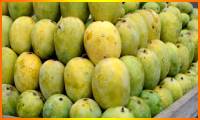
Preparations in Full Swing for 75 Varieties of Mangoes to be Exported from Malda. In a special initiative to celebrate 75 years of independence, 75 species of mangoes from West Bengal’s Malda and Murshidabad districts will be exported to other countries. The Agricultural and Processed Food Products Export Development Authority (APEDA) has already identified 75 varieties of delicious mangoes from Malda and Murshidabad districts. The central organization has launced a joint initiative with the state horticulture department and has started planning for the next few days regarding the export of mangoes abroad to countries including Qatar and Dubai. Last year, 34 varieties of mangoes from the state were exported abroad. Most of mangoes were from Malda district. Three varieties of Malda mangoes have already received the GI tag. Besides those mangoes, there is a special initiative to send other delicious mangoes abroad. Last year, Malda mangoes gained a special reputation in these countries. So, the plan is to send more mangoes this time. So far, the weather this season has been favourable for mango cultivation. Barring any natural calamity, the district is likely to produce a record amount of mangoes. Although there is a lot of mango production in the district, farmers often do not take proper care of it. As a result, there is not much demand for those mangoes in the foreign market. The plan is to export mangoes abroad immediately after harvest. To implement the plan, a special training camp was organized with the mango farmers of the District Horticulture Department. Mango growers were trained to correct all the maintenance mistakes that they make. Also, four exporters from Kolkata were brought to Malda under the initiative by APEDA. Joint initial stage discussions with farmers and exporters have also been held so far. This is a novel initiative of the administration to preserve the memory of the independence of the country through the mangoes of Malda. Source: news18.com |
||||||||||||||||||||||||||||||||||||||||||||||||||||||||||||||||||||||||||||||||||||||||||||||||||||||||||||||||||||||||||||||||||||||||||||||||||||||||||||||||||||||||||||||||||||||||||||||||||||||||||||||||||||||||||||||||||||||||||||||||||||||||||||||||||||||||||||||||||||||||||||||||||||||||||||||||||||||||||||||||||||
15 Mar, 2023

Govt taking steps to make India USD 5 trn economy 'at an early date': FinMin. The government on Tuesday informed the Rajya Sabha that it is taking steps to make India a USD 5 trillion economy earlier than the International Monetary Fund's forecast year of 2026-27. The IMF's World Economic Outlook earlier said the size of the Indian economy will increase from USD 3.2 trillion in 2021-22 to USD 3.5 trillion in 2022-23 and cross USD 5 trillion in 2026-27. 'The government has been taking steps to make the country a USD 5 trillion economy at an early date,' Minister of State for Finance Pankaj Chaudhary said in a written reply to the Upper House. Observing that the outbreak of the COVID pandemic in 2020 and the Russia-Ukraine conflict in 2022 has impacted the world output, increased inflation in several countries and raised uncertainty in the world economy, he said, 'lower uncertainty in the global economic outlook will help India become a USD 5 trillion-dollar economy earlier'. Some of the important measures taken by the government in the past to boost economic growth include the making of the National infrastructure pipeline of projects, push to capital expenditure, implementation of the Production Linked Incentive (PLI) scheme, finalisation of the National Monetization Pipeline of public sector assets and formulation of National Logistics policy, he said. The minister further said that capital expenditure will be speeded up by PM Gatishakti for integrated planning of infrastructure and synchronised project implementation across all concerned central ministries, departments and state governments. The Union Budget 2023-24, Chaudhary said, 'further sustains the growth momentum with an increase in capital investment outlay for the third year in a row by 33 per cent to Rs 10 lakh crore (3.3 per cent of GDP)'. The other initiatives to boost the economy include enhanced outlay for PM Awas Yojana, the launch of the Aspirational Blocks Programme covering 500 blocks for saturation of essential government services; an increase in agriculture credit target to Rs 20 lakh crore with a focus on animal husbandry, dairy and fisheries; and setting up of Agriculture Accelerator Fund to encourage agri-startups by young entrepreneurs in rural areas, among others. The minister also said that the direct capital investment by the Centre is being complemented by the provision made for the creation of capital assets through grants-in-aid to states. The 'effective capital expenditure' of the Centre is budgeted at Rs 13.7 lakh crore (4.5 per cent of GDP) for 2023-24, he said, adding 'the newly established Infrastructure Finance Secretariat will oversee the increase in private investment in infrastructure'. In order to improve logistics performance, he said, one hundred critical transport infrastructure projects for last and first-mile connectivity for ports, coal, steel, fertiliser, and food grains sectors have been identified and will be prioritised for development. Source: economictimes.indiatimes.com |
||||||||||||||||||||||||||||||||||||||||||||||||||||||||||||||||||||||||||||||||||||||||||||||||||||||||||||||||||||||||||||||||||||||||||||||||||||||||||||||||||||||||||||||||||||||||||||||||||||||||||||||||||||||||||||||||||||||||||||||||||||||||||||||||||||||||||||||||||||||||||||||||||||||||||||||||||||||||||||||||||||
15 Mar, 2023
Union Agriculture Minister says Farmers and Industry complement each other. Union Agriculture and Farmers Welfare Minister Shri Narendra Singh Tomar has said that Farmers and Industry are complementary to each other, - industries cannot function without farmers and without the Industry, Farming cannot be remunerative. The role of the government is important towards both the Farmers and the Industry. It is the effort of the government that there should be maximum growth of industries, but at the same time, our 86 percent Small Farmers should be empowered because no matter how much progress we make, but unless these small farmers turn prosperous, the country will not develop. Industry should bear in mind which programmes will fetch farmers a good price and which path we should follow so that prosperity comes to the homes of the farmers, only then will such exchange of ideas be successful. Shri Tomar said this today in a special session organized during the 28th edition of the Partnership Summit-2023 of Confederation of Indian Industry (CII). Shri Tomar said that the government is fulfilling all the requirements to promote the Agriculture sector, increase production & productivity and ease the export of agricultural products and will continue to work in this direction in the future. Shri Tomar said that the industries have their own strong teams, which work till the bottom of the pyramid and they also have the right feedback systems. In this context, the Ministry officials should keep in touch with the stakeholders so that information exchange takes place in the interest of the farmers. By continuing to work on these principles, farmers and agriculture sector will benefit more. In this series, a dialogue programme of Industry with the Indian Council of Agricultural Research (ICAR) was organized recently, so that practically the entire agriculture sector including the farmers can get the benefits. Shri Tomar said that agriculture is a priority sector for all of us, which needs the support of technology, research and industries to bring benefits and make farmers prosperous and to further strengthen the agricultural economy, so that when all these are combined, only then progress will accelerate. Shri Tomar said that there was a period when one-sided thinking was used, but now Prime Minister Shri Narendra Modi has an integrated vision for the overall and balanced development of the country, which CII is also trying to take forward with great enthusiasm. Prime Minister Shri Modi constantly tries to rise beyond the departments because whatever programmes the government has, it is for India, for the people of the country, how those works can move forward, he himself thinks about many programmes. As a result, we see that whatever project is started, no matter how big it is, it is also completed within the same term. Along with monitoring through programmes like PM Gati Shakti, coordinated movement has been made. Shri Tomar said that whatever be the work of agriculture, Prime Minister Shri Modi never lets it be neglected. There was a time when we wanted to learn from the world, today the world wants to learn from India in the field of agriculture. Present on the occasion were Shri Sanjiv Puri, Vice President, Confederation of Indian Industry and CMD, ITC Ltd., Shri Salil Singhal, Chairman, CII Taskforce on Agrochemicals and Chairman Emeritus, PI Industries, other officials and a large number of industry representatives. Source: pib.gov.in |
||||||||||||||||||||||||||||||||||||||||||||||||||||||||||||||||||||||||||||||||||||||||||||||||||||||||||||||||||||||||||||||||||||||||||||||||||||||||||||||||||||||||||||||||||||||||||||||||||||||||||||||||||||||||||||||||||||||||||||||||||||||||||||||||||||||||||||||||||||||||||||||||||||||||||||||||||||||||||||||||||||
15 Mar, 2023
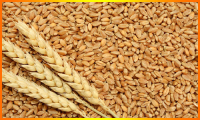
India exports wheat worth Rs 11,728.36 crore during Apr-Jan of this fiscal: Goverment. The country has exported wheat worth Rs 11,728.36 crore during the April-January period of this fiscal year, the government said on Tuesday. In May last year, the government had banned exports of wheat to boost domestic availability and control prices In a written reply to Lok Sabha, Union Agriculture Minister Narendra Singh Tomar said, 'At present, there is no proposal for lifting restriction on export of wheat before the Department of Agriculture and Farmers Welfare'. 'During the current fiscal year (up to January 2023), Rs 11,728.36 crore worth of wheat has been exported,' he added. Although the export was banned, the government had said wheat export will be allowed in case of shipments where the Irrevocable Letter Of Credit (ILOC) has been issued on or before May 13. Tomar said, as per second advance estimates for the agriculture year 2022-23, the wheat production in the country is estimated at 112.18 million tonnes which is higher by 4.44 million tonnes than the production achieved during 2021-22 crop year (July-June). In reply to a separate question, Tomar said, 'in the Northern Indian plain, the maximum temperature in February 2023 was hovering around 32-33 degree celsius in most of the area, and this temperature is unlikely to impact the wheat grain growth adversely as crop canopy temperature can be easily modulated by 2-3 degree celsius less than air temperature by irrigation.' In central and peninsular India, he said the temperature always remains comparatively higher against northern plain throughout the crop growth period and crop phenology is naturally adjusted accordingly. 'Therefore, in these area also, the temperature as high as 35 degree celsius is also not going to impact wheat yield adversely,' he added. Based on the surveys conducted by ICAR-Indian Institute of Wheat & Barley Research (IIWBR), Karnal in collaboration of State Agricultural Universities (SAUs) and Krishi Vigyan Kendra (KVKs), it is found that wheat crop situation is normal, he added. 'The scientists of ICAR have issued the advisory of giving light irrigation to modulate the crop canopy temperature favourably as and when required. ICAR-IIWBR issues weekly advisory to the farmers and the information is circulated to state agriculture departments, KVKs and SAUs,' the minister said. The advisory is uploaded regularly on websites, Facebook and circulated to various stakeholders through WhatsApp group. 'Further, foliar spray of MOP @0.2 per cent (200 litres/acre) is recommended to minimise the heat shock,' he added. All extension agencies from the Central and state governments along with ICAR/SAUs visit the farmers' fields regularly and provide timely advisories to the farmers, wherever heat stress conditions can have adverse effects, the minister said. Source: economictimes.indiatimes.com |
||||||||||||||||||||||||||||||||||||||||||||||||||||||||||||||||||||||||||||||||||||||||||||||||||||||||||||||||||||||||||||||||||||||||||||||||||||||||||||||||||||||||||||||||||||||||||||||||||||||||||||||||||||||||||||||||||||||||||||||||||||||||||||||||||||||||||||||||||||||||||||||||||||||||||||||||||||||||||||||||||||
15 Mar, 2023
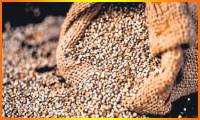
Promoting Millets Consumption. Coinciding with the International Year of Millets 2023, during the G 20 meetings being held in the current year, millets are being promoted on a large scale through millet meals, millet melas and distribution of millet gift hampers. Further interaction with millet farmers are also taking place on the sidelines of the G 20 meetings to spread the awareness about millet crops. The Government of India is implementing a multi stakeholder approach towards celebration of International Year of Millets (IYM) - 2023. The action plan of IYM-2023 focuseson strategies to enhance production and productivity, consumption, export, strengthening value chain, branding, creating awareness for health benefits etc.Further, month wise action plans have been prepared by Central Ministries, State Governmentsand Indian Embassies to create awareness about millets for increasing production and demand. Haryana too has prepared a month wise plan for millet promotion throughout the year with activities such as farmers training, farmers awareness camps, village level camps, Bajra mahotsav, school programmes, road shows, publicity etc. In addition, states such as Odisha, Assam, Chhattisgarh, Karnataka, Tamil Nadu, Andhra Pradesh, Madhya Pradesh, Maharashtra and Rajasthan are implementing State Millet Missions to increase production and consumption. Further, in order to promote millets, the Department of Agriculture and Farmers Welfare (DA&FW) is implementing aSub-Mission on Nutri-Cereals (Millets) under National Food Security Mission (NFSM) in 212 Districts of 14 States since 2018-19.Under NFSM–Nutri Cereals, incentives are provided to the farmers, through the states/UTs, on crop production and protection technologies, cropping system based demonstrations, production & distribution of certified seeds of newly released varieties/hybrids, Integrated Nutrient and Pest Management techniques, improved farm implements/tools/resource conservation machineries, water saving devices, capacity building of farmers through trainings during cropping season, organizing events/workshops, distribution of seed minikits, publicity through print and electronic media etc. The interventions such as setting up Centres of Excellence (CoE) and seed hubs for Nutri Cereals have also been supported under NFSM. The Ministry of Food Processing Industries (MoFPI) has approved the Production Linked Incentive Scheme for Food Processing Industry for Millet-based products (PLISMBP) for implementation during 2022-23 to 2026-27 with an outlay of Rs. 800 crores. The Pradhan Mantri Formalization of Micro food processing Enterprises (PMFME) Scheme, launched under the Atmanirbhar Bharat Abhiyanis currently being implemented in 35 States and Union Territories (UTs). Government is also popularizing Agri-Infrastructure Fund Scheme to invite farmers/FPOs/Entrepreneurs to avail the benefit of interest subvention on loans up to 2 crores for setting up primary processing units in millets.To encourage farmers to take up millet cultivation,higher Minimum Support Prices (MSP) to Jowar, Bajra and Ragihas been announced. This information was given by the Union Minister of Agriculture and Farmers Welfare, Shri Narendra Singh Tomar in a written reply in Lok Sabha today. Source: pib.gov.in |
||||||||||||||||||||||||||||||||||||||||||||||||||||||||||||||||||||||||||||||||||||||||||||||||||||||||||||||||||||||||||||||||||||||||||||||||||||||||||||||||||||||||||||||||||||||||||||||||||||||||||||||||||||||||||||||||||||||||||||||||||||||||||||||||||||||||||||||||||||||||||||||||||||||||||||||||||||||||||||||||||||
15 Mar, 2023
PLI Scheme in Food Processing Sector. The Minister of State for Food Processing Industries, Shri Prahlad Singh Patel in a written reply to a question in Lok Sabha today informed that the Union Cabinet in its meeting on 31.03.2021 approved the Central Sector Scheme- 'Production Linked Incentive Scheme for Food Processing Industry (PLISFPI)' to support creation of global food manufacturing champions commensurate with India’s natural resource endowment and support Indian brands of food products in the international markets with an outlay of Rs.10,900 crores. The implementation of the scheme would facilitate expansion of capacity of processed food products and create employment. The first component of the Scheme relates to incentivising manufacturing of four major food product segments viz. Ready to Cook/ Ready to Eat (RTC/ RTE) foods including Millets based products, Processed Fruits and Vegetables, Marine Products and Mozzarella Cheese. The second component relates to production of Innovative/ Organic products of Small and Medium Enterprises, including Free Range - Eggs, Poultry Meat, Egg Products in these four segments. The third component relates to support for branding and marketing abroad to incentivise emergence of strong Indian brands. From the savings, one more component for Millet based products has been added in the year 2022-23 with an outlay of Rs.800 crores. The Scheme is not specific to any State or region. One application from the North Eastern Region, of M/s Sanna Enterprises, for Millet based products, was received and selected. However, various Food Processing Units located in the North Eastern States, covered under the Production Linked Incentive (PLI) Scheme are as under:
The Government constituted a Task Force on Nutraceutical Sector under the Chairmanship of the Principal Scientific Adviser to the Government of India in December, 2021 to evolve a road map to provide a thrust to Nutraceutical Sector and facilitate unlocking of the sector’s growth potential by addressing the challenges the industry is facing. The Ministry of Food Processing Industries is a member of this Task Force.
Source: pib.gov.in |
||||||||||||||||||||||||||||||||||||||||||||||||||||||||||||||||||||||||||||||||||||||||||||||||||||||||||||||||||||||||||||||||||||||||||||||||||||||||||||||||||||||||||||||||||||||||||||||||||||||||||||||||||||||||||||||||||||||||||||||||||||||||||||||||||||||||||||||||||||||||||||||||||||||||||||||||||||||||||||||||||||
15 Mar, 2023
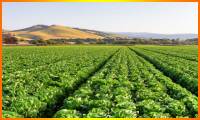
Promotion Of Natural Farming. In order to involve more farmers and enhance the reach of natural farming on a larger scale, Government has formulated Natural Mission on Natural Farming (NMNF) by up-scaling the Bharatiya Prakritik Krishi Paddhati (BPKP) to promote natural farming across the country. NMNF will cover 7.5 lakh ha area by developing 15,000 clusters in next 4 years with total budget outlay of Rs. 1584 crore (GoI Share). With NMNF Government proposes to touch 1 crore farmers along the Ganga belt and in other rainfed parts of the country. For making easy access to bio- resources like Jeevamrit, Ghana Jeevamrit, neemastra etc., Government intends to set up 15,000 Bhartiya Prakritik Kheti Bio-inputs Resources Centres (BRCs). In order to provide farmers adopting natural farming an easy access to bio resources like Jeevaamrit, Ghana Jeevamrit, neemastra etc. wherein cow dung and urine, neem and bio culture play an important role, Government intends to set up Bhartiya Prakritik Kheti Bio-inputs Resources Centres (BRCs) to prepare and supply bio-inputs to facilitate the adoption of natural farming without individual farmers having to prepare them on their own, as preparation of bio-inputs is a time taking and labour- intensive activity. These bio-inputs resources centres would be set up alongside 15000 model clusters of natural farming 50 ha each. These BRCs would create a national level distributed micro fertilizers and pesticides manufacturing network @ 1 BRC per 50 ha clusters during the period from 2022-23 to 2025-26. Department of Agriculture and Farmer Welfare (DA&FW) is undertaking large scale training of Master Trainers, Champion Farmers and practicing farmers on techniques of Natural Farming through National Institute of Agricultural Extension Management (MANAGE) and National Center of Organic and Natural Farming (NCONF). MANAGE has also sensitized the public representative like Gram-Pradhan on the technique and benefits of Natural Farming. Study material on 22 regional languages has been prepared, 697 Master Trainers have been developed on natural farming and 997 training were conducted on natural farming for 56952 Gram Pradhans through MANAGE. In addition, Indian Council of Agriculture Research (ICAR) has initiated research in 20 locations to validate natural farming techniques besides demonstrating in 425 KVKs to showcase the benefits of natural farming. A Digital web portal (naturalfarming.dac.gov.in) has been launched for promotion of natural farming to display information about implementation framework, resources, implementation progress, farmer’s registration, blog etc. This information was given by the Union Minister of Agriculture and Farmers Welfare, Shri Narendra Singh Tomar in a written reply in Lok Sabha today. Source: pib.gov.in |
||||||||||||||||||||||||||||||||||||||||||||||||||||||||||||||||||||||||||||||||||||||||||||||||||||||||||||||||||||||||||||||||||||||||||||||||||||||||||||||||||||||||||||||||||||||||||||||||||||||||||||||||||||||||||||||||||||||||||||||||||||||||||||||||||||||||||||||||||||||||||||||||||||||||||||||||||||||||||||||||||||
15 Mar, 2023
Food Processing Parks. The Minister of State for Food Processing Industries, Shri Prahlad Singh Patel in a written reply to a question in Lok Sabha today informed that the State/Union Territory -wise number of Mega Food Parks, Agro Processing Clusters,Integrated Cold Chains, Food Processing Units, Creation of Backward & Forward Linkages, Operation Greens Projects approved for assistance under corresponding component schemes of Pradhan MantriKisan SAMPADA Yojana (PMKSY) including in Jammu and Kashmir, Jharkhand, Bihar, Haryana and Uttar Pradesh is placed at Annexure-I. Ministry of Food Processing industries (MoFPI) has, so far, approved a total of3 Agro Processing Clusters, 28 Integrated Cold Chains, 34 Food Processing Units, 5Creation of Backward & Forward Linkages and 5 Operation Greens projects in Uttar Pradesh with estimated direct/ indirect employment of 47946. These projects involveGrants amounting to Rs 469 Crore, processing & preservation capacity of about 19.61 Lakh Metric Ton/Annum and investment leverage of aboutRs 1562 Crore. Out of these projects, 1 Agro Processing Cluster, 8 Integrated Cold Chains, 21 Food Processing Units, & 5 Operation Greens projects have been approved since 2019-20. MoFPI provides Grants in the form of capital subsidy to eligible project proposals, selected on the basis of Expression of Interest issued from time to time, under its component schemes of PMKSY for setting up of food processing / preservation industries including Agro Processing clusters (Mini Food Parks) and Food Processing Units. PMKSY is not any region or state specific, but demand driven and is implemented across the country including all the regions of Uttar Pradesh Jammu and Kashmir, Jharkhand, Bihar and Haryana. Year-wise assistance provided for setting up Food Processing Parks/ Units under PMKSY since 2019-20 is placed at Annexure-II. So far, a total of 1 Mega Food Park and 13 Food Processing Units have been approved in Sonipat District under PMKSY. Annexure-I State/Union Territory -wise number of Projects approved for assistance under Pradhan Mantri Kisan SAMPADA Yojana (PMKSY)
ANNEXURE-II Year-wise assistance for setting up of Food Processing Parks/Units under corresponding component schemes of PMKSY since 2019-20.
|