29 Mar, 2023
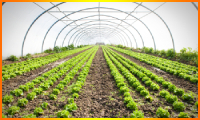
National Mission on Natural Farming.
To motivate farmers to adopt chemical free farming and enhance the reach of natural farming, the Government has formulated National Mission on Natural Farming (NMNF) as a separate and independent scheme from 2023-24 by up scaling the Bhartiya Prakritik Krishi Paddati (BPKP). The success of NMNF will require behavioral change in farmers to shift from chemical based inputs to cow based locally produced inputs and thus requires continuous creation of awareness, training, handholding and capacity building of farmers in the initial years. The provision of Rs 459.00 crores for 2023-24 has been proposed after careful consideration and the requirement of increase of budget is not anticipated at this stage. The budget for fertilizer subsidy for 2023-24 has been kept at Rs 1,75,099 crore. Natural Farming is a way of chemical free farming based on desi cow and locally available resources, with no chemical fertilizers and pesticides and promotes traditional indigenous practices which give freedom to farmers from externally purchased inputs and is largely based on on-farm biomass recycling with major stress on biomass mulching, use of on-farm desi cow dung-urine formulation; managing pests through diversity, on-farm botanical concoctions and exclusion of all synthetic chemical inputs directly or indirectly and emphasis is given on improving natural nutrient cycling and increase in organic matter in the soil, which can help with climate change resilience and carbon sequestration in soils. 'National Standard of Organic Production (NSOP) has defined organic agriculture as 'a system of farm design and management to create an ecosystem which can achieve sustainable productivity without use of artificial off farm input such as chemical fertilizer and pesticides. Organic farming is considered to be climate friendly farming practices promoting low external input usage, recycling, reuse and reduced use of synthetics in farming. Indian Council of Agriculture Research (ICAR) under its All India Network Programme on Organic Farming has developed package of practices for organic production in cropping and farming systems mode. Climate smart agriculture is a broader concept which includes all environments friendly agricultural approaches like integrated farming systems, conservation agriculture, natural farming, organic farming, precision agriculture, regenerative agriculture, reclamation of degraded soils and reduced food loss and waste to achieve sustainable agriculture. Climate smart agriculture is an integrated approach to managing landscapes-cropland, livestock, forests and fisheries-that address the interlinked challenges of food security and climate change. It aims to tackle three main objectives: sustainably increasing agricultural productivity and incomes, adapting and building resilience to climate change and reducing greenhouses gas emissions wherever possible and supports FAO strategic framework 2022-2031. To make global consensus on a broader concept, Government has opted climate smart agriculture rather than natural and organic farming in its priorities for G20 agriculture working group. This information was given by the Union Minister of Agriculture and Farmers Welfare, Shri Narendra Singh Tomar in a written reply in Lok Sabha today.
Source:
pib.gov.in
|
29 Mar, 2023

India s overall exports cross an all time high of US$ 750 Billion in the 75th year of independence: Sh. Piyush Goyal.
Union Minister of Commerce and Industry, Consumer Affairs, Food and Public Distribution and Textiles, Shri Piyush Goyal announced that India’s overall exports, that includes services and merchandise exports, have crossed US$ 750 Billion today. This is an all time high and this achievement of 750 billion comes in the 75th year of independence as we celebrate the Azadi Ka Amrit Mahotsav. In his address, Shri Goyal highlighted how the exports have risen from US$ 500 Billion in 2020-2021 to this figure in extremely challenging times. In his keynote address at the ASSOCHAM Annual Session 2023: Strengthening India's Competitiveness in New Delhi today, the Minister stated that there has been healthy growth in both merchandise and service sectors. He said that given the fact that the whole world is in recession, inflation is at an all time high for most developed countries, interest rates are shooting up and there’s a sense of doom and gloom in the rest of the world, India’s performance fills us with pride. The Minister recalled that Prime Minister Narendra Modi had said from the ramparts of the Red Fort on Independence Day that we should get rid of the colonial mindset and recognise our roots and our strengths. He noted that the 5 Prans articulated by the PM will lead to a developed Bharat@100 in 2047 when we celebrate the centenary of our Independence and said that we all need to work with a sense of duty in the spirit of these 5 Prans. The Minister said that the theme of the event 'Bharat@100: Paving the way for inclusive and sustainable global growth' converged with the aspirations of the country’s youth and an emerging young Bharat. He also said that the people desire to see India as an economic superpower leading the world in meeting global challenges. He observed that the world also sees India as a leader on multiple fronts. He observed that ASSOCHAM should lead from the front in the journey of Bharat@100. He also noted that the focus of the Government is in ensuring that the basic needs of more and more families are being met and that as we move ahead, growth will not only be measured in terms of economic progress but also in terms of social progress & human development indicators along with other factors. He observed that with more than 80 Crore people in the country using the internet in this interconnected world, we have a whole new aspirational Bharat and the youth of our country today is demanding more and we need to work together to meet the aspirations of the citizens of the New Bharat. The Minister stated that the domestic market has been growing steadily and over the last 9 years the focus has been on building the foundation blocks which are necessary for an economy to have many years of uninterrupted and sustainable growth. He noted that the first decade in the journey of a developing country becoming a developed country focussed on creation of strong fundamentals, economic framework and stable regulatory practices to attract domestic & international capital. The Minister stated that India is undergoing such a journey and India is lucky to bank upon its large domestic market and also access the whole wide world. The Minister stressed upon the fact that the effort of the Government to make India self-reliant is about not closing doors but further opening them wider with the objective of letting competitive and comparative advantages determine international trade. He expressed hope that each country finds its niche in global trade and the entire world progresses in a sustainable manner. The Minister opined that policymakers need to look at the entire value chain to find out the industries or sectors in which India is most cost competitive, has an edge over others, has niche and some differentiating factor and push for the growth of such industries or sectors. He illustrated this point by stating that the Renewable Energy sector is one such area where India can become the global leader by exploiting the huge export potential and also promote the production of goods & services with least carbon impact. He noted the various initiatives undertaken by the Government for the development of infrastructure like National Infrastructure Pipeline, PM Gati Shakti, Unified Logistics Interface Platform, etc. built upon technology as the backbone of such initiatives. He further appreciated how UPI has democratized the financial payment infrastructure and Open Network for Digital Commerce will promote e-commerce. The Minister said that India’s strong macroeconomy, robust foreign exchange reserves, relatively low inflation and entrepreneurial spirit under the leadership of Prime Minister have brought together the domestic ecosystem to not only to replace items from the import basket but achieve economies of scale and compete in the international market. He expressed that India’s ability to innovate, R&D, spirit of enquiry and out of the box thinking is being witnessed by the world today and all this is reflective of the new spirit of Bharat. The Minister said that the Free Trade Agreements (FTA) signed by India with Australia and UAE have been welcomed by industry across the three countries and there has been positive feedback across media platforms. The speed, quality and extensive stakeholder consultations resulting in finding the right equitable balance has been appreciated by all sections, said the Minister. He also stated that a series of FTAs are under different stages of discussion to further expand the trade of India and will further open up game changing opportunities for the economy. The Minister said that this is India's moment in the Sun and lauded the vision of the Prime Minister who had said that this is the time, this is the right time. He further said that the G20 presidency has given a unique opportunity to position India globally and this must be leveraged by the industry and businesspersons to showcase India’s business across the world.
Source:
pib.gov.in
|
29 Mar, 2023

Delegates from 19 member countries and 10 international organizations to discuss sustainable agriculture and food security.
The second Agricultural Deputies Meeting of the Agricultural Working Group (AWG) is all set to take place from 29th to 31st March 2023 at Chandigarh. The event will see the participation of delegates from 19 member countries, 10 invited countries and 10 international organizations. Speaking about the upcoming event, Ritesh, Joint Secretary (IC), Department of Agriculture and Farmers Welfare said, 'The second Agricultural Deputies Meeting of AWG is an important platform for countries to come together and discuss ways to ensure sustainable agriculture, food security and nutrition. We are honored to host the event in Chandigarh and look forward to fruitful discussions.' Rajinder Chaudhry, Additional Director General of PIB Chandigarh, added, 'The AMIS Rapid Response Forum, which will be held on the first day of the meeting, is an important initiative to address the food market situation and identify capacity building needs. We hope that this forum will provide a vision for the future progress of the initiative.' During the second and third day of the meeting, member countries will focus on drafting the Communiqué which will address four thematic areas, namely food security and nutrition, sustainable agriculture with a climate smart approach, inclusive agricultural value chains and food systems, and digitalization for agricultural transformation. Apart from the discussions, delegates will also get to experience the rich cultural heritage of Chandigarh through a visit to the food festival at Rock Garden, excursion to Sukhna lake, followed by a gala dinner and a visit to Yadavindra Gardens at Pinjore. The event promises to be a platform for countries to come together and work towards a sustainable future for agriculture and food security.
Source:
pib.gov.in
|
29 Mar, 2023
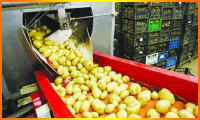
Vocal for local in Food processing Sector.
As part of Atmanirbhar Bharat Abhiyan - Vocal for Local Initiative in food processing sector, Ministry of Food Processing Industries (MoFPI) is implementing a centrally sponsored 'PM Formalisation of Micro food processing Enterprises (PMFME) Scheme' for providing financial, technical and business support for setting up / upgradation of micro food processing enterprises in the country. The scheme is operational for a period of five years from 2020-21 to 2024-25 with an outlay of Rs. 10,000 Crore. Till date, 27,003 Loans have been sanctioned in the country under credit linked subsidy component of PMFME Scheme, out of which 5864 loans sanctioned in the State of Maharashtra. The State-wise details are at Annexure. The PMFME scheme is designed to address the challenges faced by the micro enterprises. The scheme aims to enhance the competitiveness of new and existing individual micro-enterprises in the unorganized segment of the food processing industry and promote formalization of the sector. The details of assistance available to Micro Food Processing Enterprises under PMFME Scheme: (i). Support to Individual / Group Category Micro Enterprises: Credit-linked capital subsidy @35% of the eligible project cost, maximum ceiling Rs.10 lakh per unit; (ii). Support to SHGs for seed capital: Seed capital upto Rs. 40,000/- per member of SHG engaged in food processing for working capital and purchase of small tools subject to maximum of Rs. 4 lakh per SHG. (iii). Support for Common Infrastructure: Credit linked capital subsidy @35% subject to maximum of Rs. 3 crore to support FPOs, SHGs, Cooperatives and any Government agency for setting up of common infrastructure. The common infrastructure will also be available for other units and public to utilize on hiring basis for substantial part of the capacity. (iv). Branding and Marketing Support: Grant upto 50% for Branding and Marketing to groups of FPOs/ SHGs/ Cooperatives or an SPV of micro food processing enterprises. (v). Capacity Building: The scheme envisages training for Entrepreneurship Development Skilling (EDP+): program modified to meet the requirement of food processing industry and product specific skilling. Capacity building and training is a critical component of the scheme in technical upgradation and formalization of micro food processing enterprises. The focus areas for capacity building are entrepreneurship development, compliance of Food Safety and Standards Authority of India (FSSAI) standards and general hygiene and other statutory compliances. District Resource Persons (DRPs) have been appointed to provide handholding support to micro food processing enterprises for the compliance of FSSAI and other statutory requirements. Annexure ANNEXURE REGARDING 'VOCAL FOR LOCAL IN FOOD PROCESSING SECTOR' State-wise number of loans sanctioned under credit linked subsidy component of PMFME Scheme | Sl. No. | State/UT | No. of Loans Sanctioned | | 1 | Andaman And Nicobar Islands | 11 | | 2 | Andhra Pradesh | 1937 | | 3 | Arunachal Pradesh | 22 | | 4 | Assam | 583 | | 5 | Bihar | 2345 | | 6 | Chandigarh | 5 | | 7 | Chhattisgarh | 210 | | 8 | Dadra And Nagar Haveli And Daman And Diu | 2 | | 9 | Delhi | 94 | | 10 | Goa | 41 | | 11 | Gujarat | 100 | | 12 | Haryana | 384 | | 13 | Himachal Pradesh | 753 | | 14 | Jammu And Kashmir | 212 | | 15 | Jharkhand | 146 | | 16 | Karnataka | 1922 | | 17 | Kerala | 611 | | 18 | Ladakh | 22 | | 19 | Madhya Pradesh | 1468 | | 20 | Maharashtra | 5864 | | 21 | Manipur | 245 | | 22 | Meghalaya | 30 | | 23 | Mizoram | 5 | | 24 | Nagaland | 24 | | 25 | Odisha | 733 | | 26 | Puducherry | 47 | | 27 | Punjab | 935 | | 28 | Rajasthan | 273 | | 29 | Sikkim | 31 | | 30 | Tamil Nadu | 3552 | | 31 | Telangana | 1956 | | 32 | Tripura | 46 | | 33 | Uttar Pradesh | 2182 | | 34 | Uttarakhand | 212 | | Total | 27003 | This information was given by Minister of State for Food Processing Industries, Shri Prahlad Singh Patel in a written reply in the Lok Sabha.
Source:
pib.gov.in
|
29 Mar, 2023
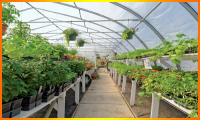
Karnataka horti dept ups focus on FarmTech to boost efficiency and cost.
The Karnataka department of horticulture has increased focus on FarmTech to boost efficiency and cost. This is where start-ups are present and many of them are eyeing the sector to boost growth prospects. The agri-tech start-up sector is also creating several market opportunities, primarily in digitising agriculture, improving farmers access to real-time information, increasing transparency across the value chain, providing farmers with higher-quality implements to increase yields, and providing farmers with micro-financing options to manage risks. These technologies have the potential to revolutionise decision-making and optimise yields, ultimately leading to improved economic outcomes for farmers, according to the officials. The rise in start-up culture across the country has not overlooked the agriculture sector. Several ventures, particularly in Karnataka, have undertaken the task of using technology to grow out of traditional agricultural practices. Their main focus is to provide useful, affordable and innovative solutions to a number of challenges faced across the agricultural value chain. These start-ups act as a platform for networking between farmers, input dealers, wholesalers, retailers and consumers thereby providing growers with access to a strong and well-established market, they noted. There is huge demand for precision farming technology. With new-gen farmers being qualified agriculturists or engineers they have the wherewithal to conceptualise and commission innovation backed by proof of use of technology across various farm lands. Earlier this month, FarmTech Conclave 2023 created a cohesive platform required to bring all the stakeholders in the farming ecosystem together and provide opportunity to network, share insights, and identify potential partnerships which will drive innovation and progress within the industry. With the theme being ‘Creating Networks for Collaboration and Growth’, the FarmTech conclave showcased the innovative products, services, and technologies designed to power agriculture and drive its future. In addition to the stakeholders of the farming community, key government representatives discussed, deliberated, identified priorities and proposed an agenda for the growth of the agriculture sector in the country. In an effort to recognise innovation, for the first time, the Karnataka department of horticulture, introduced the FarmTech Awards to acknowledge AgriTech firms that have demonstrated dynamic leadership and exciting technologies, and for standing out in their chosen areas of AgriTech sector. These awards were given to individuals and companies that have made significant contributions to the development and application of new technologies in the FarmTech sector, and help to promote the growth and sustainability of modern farming practices. The wide range of categories, including precision agriculture, livestock management, food safety, and many others, and are designed to showcase the latest trends, breakthroughs, and advancements in the field. A jury covered leading panel of experts from the industry, policymakers, and academia who evaluated the participating companies based on the predetermined criteria.
Source:
fnbnews.com
|
28 Mar, 2023

PLI scheme incentivises use of millets in Ready to Cook/Ready to Eat products.
Ministry of Statistics and Programme Implementation releases data on various parameters of manufacturing sector including number of registered units engaged in food processing through the Annual Survey of Industries (ASI). As per the latest available ASI estimates, the number of units engaged in food processing sector increased from 40,579 in 2018-19 to 41,484 in 2019-20. Food Safety and Standards Authority of India (FSSAI), has been mandated for laying down science-based standards for articles of food and to regulate their manufacture, storage, distribution, sale and import and to ensure availability of safe and wholesome food for human consumption. FSSAI has specified the hygiene and quality standards for various food products including packaged food and non-perishable packaged food products produced by all food processing units in the country in their Regulations namely Food Safety and Standards (Food Products Standards and Food Additives) Regulations, 2011; Food Safety and Standards (Licensing and Registration of Food Businesses) Regulations, 2011; Food Safety and Standards (Health Supplements, Nutraceuticals, Food for Special Dietary Use, Food for Special Medical Purpose, Functional Food and Novel Food) Regulations, 2016; Food Safety and Standards (Organic Food) Regulations 2017; Food Safety and Standards (Packaging) Regulations 2018. The quality and hygiene standards prescribed in these Regulations are enforced by the Regional Directors of FSSAI along with Food Safety Commissioners of States/UTs. In cases, where the samples are found to be non-conforming to the laid down provisions of FSS Act 2006, Rules and Regulations made thereunder, penal action is initiated against the defaulting Food Business Operators (FBOs), as per the provisions of FSS Act 2006, Rules and Regulations made thereunder. Under the Production Linked Incentive (PLI) scheme for food products being implemented by Ministry of Food Processing Industries (MoFPI), since 2021-22, a component, with an outlay of Rs.800 Crore, for Millet Based Products was carved out in the current financial year to encourage the use of Millets in Ready to Cook/Ready to Eat products and to incentivise these products for promoting their value addition and sales. A total of 30 applications (8 large entities and 22 SMEs) were approved under this segment. Under the PLI Scheme component for Millet Based Products, the packaged and branded RTC/RTE food products with more than 15% of millets by weight/volume in product composition, are eligible for claiming the incentives.
Source:
fnbnews.com
|
28 Mar, 2023

Faster reforms can give a boost to India growth story: World Bank.
India's potential economic growth could get a boost if government accelerates implementation of its ambitious reform agenda, World Bank said in a report that also outlined policy prescriptions for banking and infrastructure sectors. 'Addressing the aftermath of financial sector distress could unlock significant growth,' the multilateral lender said in its 'Falling long-term growth prospects: trends, expectations, and policies' report released Monday. The report stressed on the need to improve efficiency and depth of banking sector. 'Reforms could be undertaken to further rationalise the role of public sector banks, ensure a level-playing field in banking sector, and promote development of capital markets.' On infrastructure, it suggested implementing reforms proposed by Task Force on National Infrastructure Pipeline, and improving contract enforcement, dispute resolution and financing. 'The steepest slowdown in investment growth over two decades to 2021 occurred in India,' the report noted. 'Investment growth in India slowed from an annual average of 10.5% in 2000-10 to 5.7% in 2011-21.' Structural bottlenecks have proved to be barriers to investment, it said. For the South Asian region, it suggested that increasing female labour force participation could increase potential annual GDP growth by 1.2 percentage points between 2022 and 2030. For India, World Bank said, 'restrictive labour laws limit employment opportunities for women and discourage the adoption of new technologies, thereby reducing productivity in manufacturing'. India's female labour force participation increased marginally to 32.8% in 2021-22, government data showed. India's estimates of potential growth since 2010 have been 6-8% a year. GLOBAL GROWTH CONCERNS The World Bank has raised concerns that the maximum rate at which global economy can grow without sparking inflation will slump to a three-decade low by 2030. It expects average potential GDP growth to dip to 2.2% a year between 2022 and 2030, with growth rate in developing countries slowing down to 4% compared to 6% between 2000 and 2010. 'A lost decade could be in the making for the global economy,' said Indermit Gill, chief economist at World Bank.
Source:
economictimes.indiatimes.com
|
28 Mar, 2023
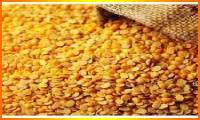
Centre constitutes committee to monitor stock disclosure of Tur.
The Department of Consumer Affairs has constituted a Committee under the chairmanship of Additional Secretary, Smt. Nidhi Khare to monitor the stock of Tur held by entities such as importers, millers, stockists, traders etc. in close coordination with the state governments. The decision has come against the backdrop of reports of market players not releasing stocks despite regular arrival of imports in good quantities. The latest announcement of a Committee to monitor stock disclosure indicates the government’s intention to deal with hoarders and unscrupulous speculators in the market. It also indicates the government’s determination to keep prices of Tur under control in months ahead. The government is also closely watching the stock position of other pulses in the domestic market to take necessary preemptive measures in the event of unwarranted price rise in the coming months. It may be recalled that the government had issued an advisory to the States/UTs on 12th August, 2022, to enforce stock disclosure in respect of Tur under the Essential Commodities Act, 1955. Further, in order to facilitate smooth and seamless import, the government has removed the 10 per cent duty applicable for Tur imports from non-LDC countries as the duty creates procedural hurdles even for zero duty imports from the LDCs.
Source:
pib.gov.in
|
28 Mar, 2023

Israel looking to work with TN in water innovation, agriculture research: Tammy Ben-Haim.
Tamil Nadu, which contributes more than 10 percent to the country’s overall technology sector, is hosting Umagine, Asia’s largest tech summit, with an aim to become India’s tech capital. After taking part in a panel discussion around TN’s potential to act as global collaboration centre for tech and Israel’s interests in India, particularly South India, Consul General of Israel to South India - posted in Bengaluru- Tammy Ben-Haim spoke to THE WEEK on the consulate’s aim to bring Israeli companies to build business collaborations between Israel and Tamil Nadu in the future. What is Israel actually looking for from Umagine? What would be the outcome for Israel through this tech summit? Israel and our consulates to South India want to do more cooperation and have closer ties and do even more than we're doing today in TN in terms of more research and investment in technology. We already have a very good relationship with the TN government. We are doing this by fostering a very good relationship with the IT department here, with the Guidance bureau in Chennai and with many departments in the government and also with the institutions like Tamil Nadu Agriculture University (TNAU), which is into agriculture research. TNAU does a lot of innovative things in Agriculture and Agri tech. We are also working with IIT (Madras). We are looking to be part of the research park at IIT (Madras) and looking to work in areas of research and innovation in ground water. At Umagine, the largest tech summit in Asia, Israel is looking to collaborate with TN in technology and research. At Umagine, the TN government has managed to get in different stakeholders in the fields of technology and research; government officials; entrepreneurs from inside and outside India; business investors and like minded people. You know, it's a good place for us to be because we get to meet all these stakeholders; we get to meet all the people who are interested in doing something in TN. So the result is to get lots of names and ideas. I just met a PhD research student who wants to figure out how to cooperate with Israeli researchers who are doing maybe the same thing she is doing. Companies who are here can have a discussion with Israeli companies. And then of course the government to government can think of new or more things to do with the TN government. Lastly is just to mention the five companies who came here from Israel looking forward to find actual business dealings that we can do together. Whether it's manufacturing here in Tamil Nadu. We're doing a joint venture with Indian companies. So I hope you know many of these things work out. What are the companies from Israel that have already set up facilities in South India? One I want to say this is not a new thing, but Mobileye which of course does the safety driving is working in India already. It was bought by Intel. You can look at it as an American Israeli Indian cooperation, which is amazing. Another good thing is Ola. It just signed a huge MoU with the TN government and last year they brought another Israeli electric battery storage company. The storage company StoreDots signed a MoU for 80 million dollars. So those are two huge examples of good cooperation. But again, these examples don't always have to be so huge. I think building good success stories, even if they're smaller, is the way to save the road. So to speak for definitely cooperation and smart Mobility, but also in general, technology between Israel and India. You are talking about technology. Israel is technologically advanced and there's a lot of research that has been happening in various sectors in Israel. How do you think, the innovations and research can get into South India. As I said we are looking for academic and academic collaboration. At the research level we're looking to work with entrepreneurs to have them exactly. If you said we have this, you know, we just for a longer period of time so we can share our success stories. We can also share our failures and sometimes may be what not to do. We can do it because we have the know-how and we have the knowledge. We're developing the technology. But I think India is a great partner for Israel because it provides and as I mentioned also in the panel it provides a huge database. There is space for actually trying out our technology in a very small protected area and then when you try to do it on a bigger scale like in India, you might find out that, you need to change this and you need to adapt here and you need to develop. So I think it's a great way to work together with the Indian brain and mind of the researchers and entrepreneurs and the Israeli working together first to develop something and then to see if it actually works in the real world. With regard to research in the agriculture sector, where do you stand in terms of collaboration with South India? We’re doing quite a few things, especially in water and trying to reuse water, clean it up and use it in agriculture. This is because sometimes, when we are using water for agriculture, you don't need to bring it to the level of potable water or household water. So it's an easier process at times. Indian especially in South India areas you need to learn to conserve water. So the more we conserve the more we have in addition. So as I said, we're dealing issues with water trying to reuse it for agriculture and the second level is trying ways of protected agriculture in order to get a higher yield because the less land you use the less water. If you get a higher yield you can still feed all the people that you need to feed. You can still provide sustenance. So those are the three issues we're working on.
Source:
theweek.in
|
28 Mar, 2023
One District One Product approved for 713 districts under PMFME Scheme.
Out of all 766 districts across 36 States/ UTs, One District One Product has been approved for 713 districts of 35 States/ UTs under Centrally Sponsored 'Pradhan Mantri Formalisation of Micro Food Processing Enterprises (PMFME) Scheme' implemented by Ministry of Food Processing Industries (MoFPI). The State of West Bengal has agreed to participate in the scheme in January 2023. It has been approved by the Ministry on the recommendations of States/ UTs for the districts of West Bengal along with newly formed districts across 7 States/ UTs has not been recommended by the respective States/ UTs. The digital map has been developed by the MoFPI, and 710 districts from 35 States and UTs have been indicated. Along with it, districts covering 216 Integrated Tribal Development Areas, 112 Aspirational districts and 35 districts with more than 40% SC population are indicated in the map. MoFPI has approved 76 Incubation Centres across the country with an outlay of 205.95 crore under PMFME Scheme to provide support to existing / prospective entrepreneurs for capacity building, new / innovative product developments etc. across the value chain. The generation of revenue has not been envisaged under PMFME Scheme. The PMFME Scheme provides financial, technical and business support for setting up / upgradation of micro food processing enterprises in the country which inter-alia creates the scope for employment at local level including opportunities for youth.
Source:
fnbnews.com
|